

Gear Up: Your First Line of Defence
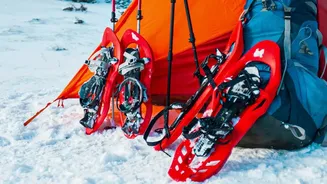
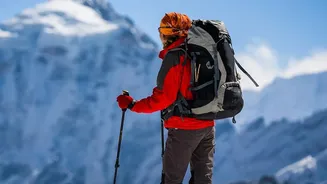
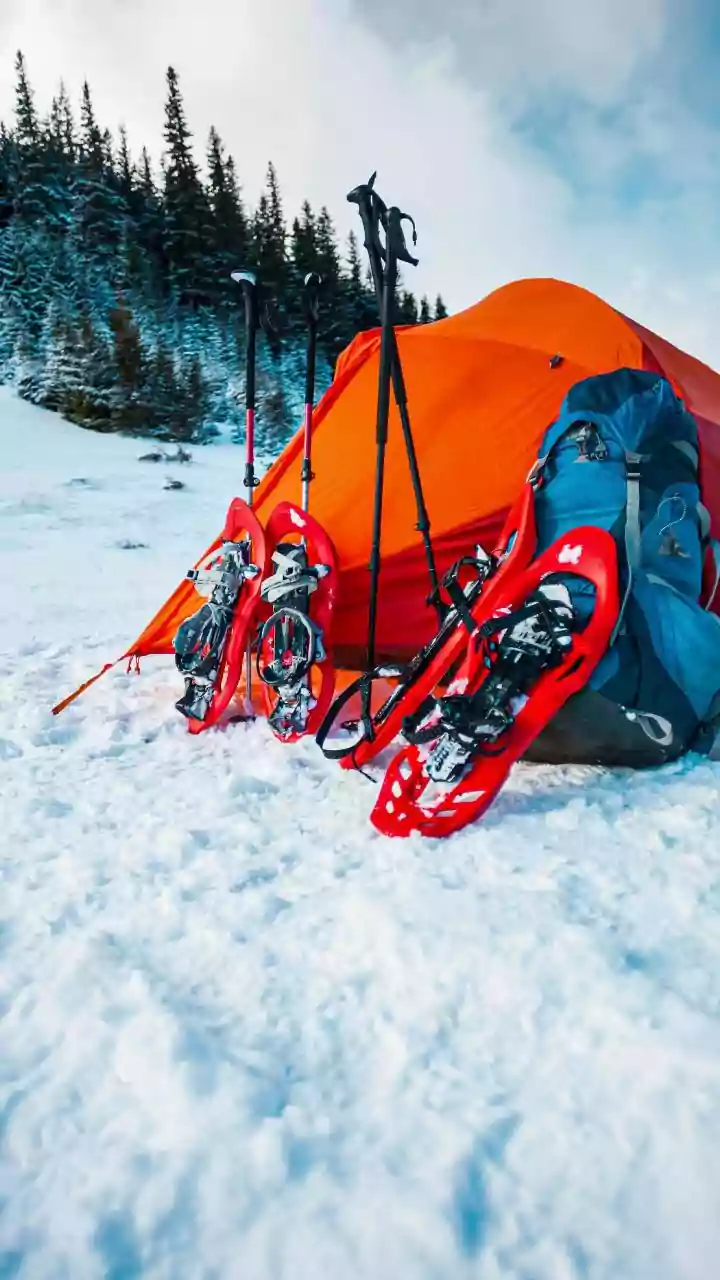
The right gear is non-negotiable for safety and comfort. Your most critical items are waterproof, high-ankle trekking shoes and proper traction aids. Microspikes are essential for gripping hard-packed snow and ice, providing stability where boots alone
would fail. Gaiters, which are fabric guards that cover the top of your boots and lower legs, are also vital to prevent snow from getting inside your shoes and making your feet wet and cold. Beyond footwear, the layering system is key. Start with a moisture-wicking base layer to keep sweat off your skin, add an insulating fleece or down jacket for warmth, and top it with a waterproof and windproof shell to protect against the elements. Do not use cotton, as it holds moisture and can make you dangerously cold.
Learn to Walk on Snow
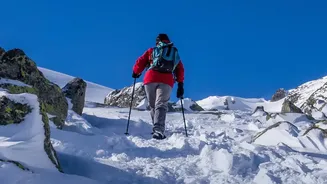
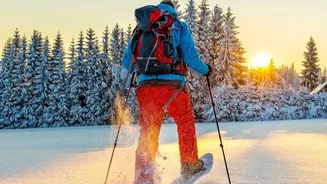
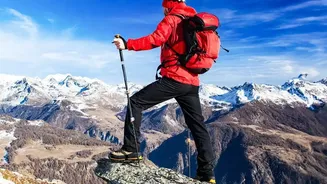
Walking on snow is a skill that requires conscious effort. On ascents, kick your toes into the snow to create a firm step. On descents, dig your heels in. Take small, deliberate steps and maintain a steady rhythm. Never rush, as this can lead to slips and exhaustion. Trekking poles are indispensable for maintaining balance and taking pressure off your knees, especially on slippery sections. When the trail becomes hard and icy, it's time to put on your microspikes. These devices easily slip over your boots and have small metal points that bite into the ice, dramatically increasing your grip and confidence. Always listen to your guide; if they create footsteps for you, place your feet directly in theirs.
Understand the Mountain Environment
Winter days in the mountains are short and conditions can change rapidly. Always start your trek early in the morning to take advantage of daylight and firmer snow. As the sun warms the landscape, snow can become soft and slushy, making walking more difficult and potentially increasing avalanche risk. Always trek with a certified guide who understands local conditions. They can read the terrain and make critical safety decisions. Pay attention to the weather and be prepared to turn back if conditions worsen. It's also crucial to stay hydrated and fueled. The cold can suppress thirst, but you lose significant moisture just by breathing in the dry, high-altitude air. Drink water regularly and eat high-energy snacks to keep your body performing.
Recognize Altitude Sickness Early
Altitude sickness, or Acute Mountain Sickness (AMS), can affect anyone, regardless of fitness level. It occurs when your body doesn't have enough time to adjust to the lower oxygen levels at high elevations. Initial symptoms often feel like a hangover and can include headache, nausea, loss of appetite, dizziness, and unusual fatigue. These symptoms should never be ignored. The most important rule is to communicate immediately with your guide if you feel unwell. Mild symptoms can often be managed by resting and hydrating, but ignoring them can lead to more severe and life-threatening conditions. A gradual ascent is the best prevention, allowing your body the time it needs to acclimatize.
Pacing and a Positive Mindset
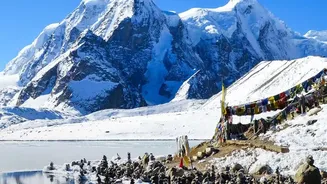
Trekking in snow is more physically demanding than hiking on a dry trail. The key is to find a slow, steady pace you can maintain without becoming breathless. Try to coordinate your steps with your breathing—for instance, inhale for one step, exhale for the next. This rhythmic approach conserves energy and helps you stay calm and focused. A winter trek is as much a mental challenge as it is a physical one. Trust your guide, trust your gear, and focus on the incredible beauty around you. A positive mindset will help you push through challenging moments and fully appreciate the serene, frozen landscapes of the Himalayas.