






The Perfect Storm for Germs
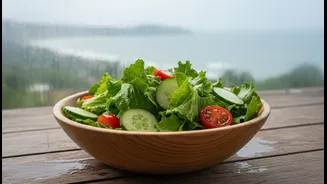
The monsoon season, with its high humidity and pervasive dampness, creates an ideal environment for microbes to flourish. Bacteria, viruses, and fungi multiply rapidly in these conditions. Leafy greens like spinach, lettuce, and cabbage have numerous
folds and a large surface area that can trap moisture, dirt, and pathogens. Even after a thorough wash, it can be difficult to eliminate all contaminants, which can include harmful bacteria like E. coli and Salmonella. Furthermore, water sources used for irrigation can become contaminated during heavy rains, increasing the risk that pathogens are present on vegetables long before they reach your kitchen.
A Compromised Digestive System
It's not just the vegetables that are the problem; our bodies also respond to the seasonal shift. According to both modern nutrition and traditional Ayurvedic wisdom, the digestive system can become weaker or more sluggish during the rainy season. This concept, often referred to as a diminished 'Agni' or digestive fire in Ayurveda, suggests that our ability to process food, especially raw food, is reduced. A slower digestive system can make you more vulnerable to foodborne illnesses, as your body may struggle to fight off the pathogens that you might have been able to handle easily in other seasons. This can lead to issues like bloating, gas, stomach infections, and diarrhoea.
The Problem with Pre-Cut and Street Food
The convenience of pre-cut vegetables and salads from stores or street vendors comes with its own set of amplified risks during the monsoon. Once a vegetable is cut, its shelf life decreases, and the exposed surfaces become a breeding ground for bacteria, a process that is accelerated by the humid weather. Street food stalls are particularly risky. The water used may not be clean, ingredients can be exposed to the elements, and hygiene standards can be difficult to maintain, making that tempting plate of chaat or salad a potential source of infection.
How to Enjoy Vegetables Safely
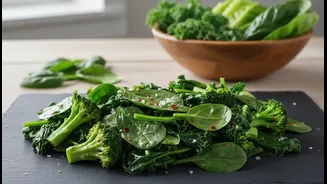
The advice to avoid raw salads doesn't mean you should stop eating vegetables. In fact, their nutrients are crucial for boosting your immunity during this time. The key is preparation. Nutritionists recommend switching from raw preparations to cooked ones. Steaming, blanching, grilling, sautéing, or making soups are all excellent ways to enjoy vegetables while eliminating harmful microbes. If you do choose to eat raw vegetables, wash them meticulously. Soaking them in a solution of salt water or vinegar for a few minutes can help dislodge germs and pests. Always use clean, filtered, or boiled water for washing produce.
Healthy Monsoon Alternatives
Embrace the warmth and comfort that cooked meals bring during the cool, rainy weather. Hearty vegetable soups and stews are not only safe and easy to digest but also incredibly nourishing. You can also make salads with cooked or steamed ingredients, like a warm chickpea and sweet potato salad or a chaat made with boiled sprouts and corn. Vegetables like bottle gourd (lauki), ridge gourd (turai), and bitter gourd (karela) are excellent choices for the season as they are easy to cook and digest. Incorporating immunity-boosting spices like turmeric, ginger, and black pepper into your cooking can provide an extra layer of protection.