





Why Humidity Is the Real Enemy
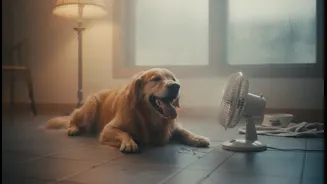
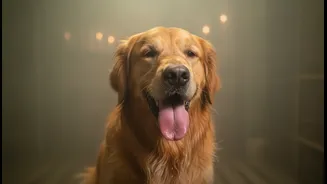
Humans sweat to cool down; as the sweat evaporates, it cools our skin. Dogs and cats can't do this effectively. They primarily cool themselves by panting, which exchanges hot air from their lungs for cooler, drier ambient air. When the air is full of
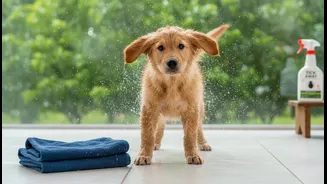
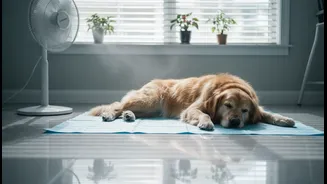
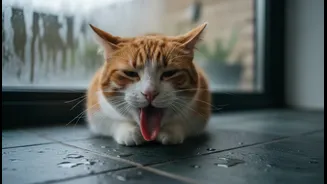
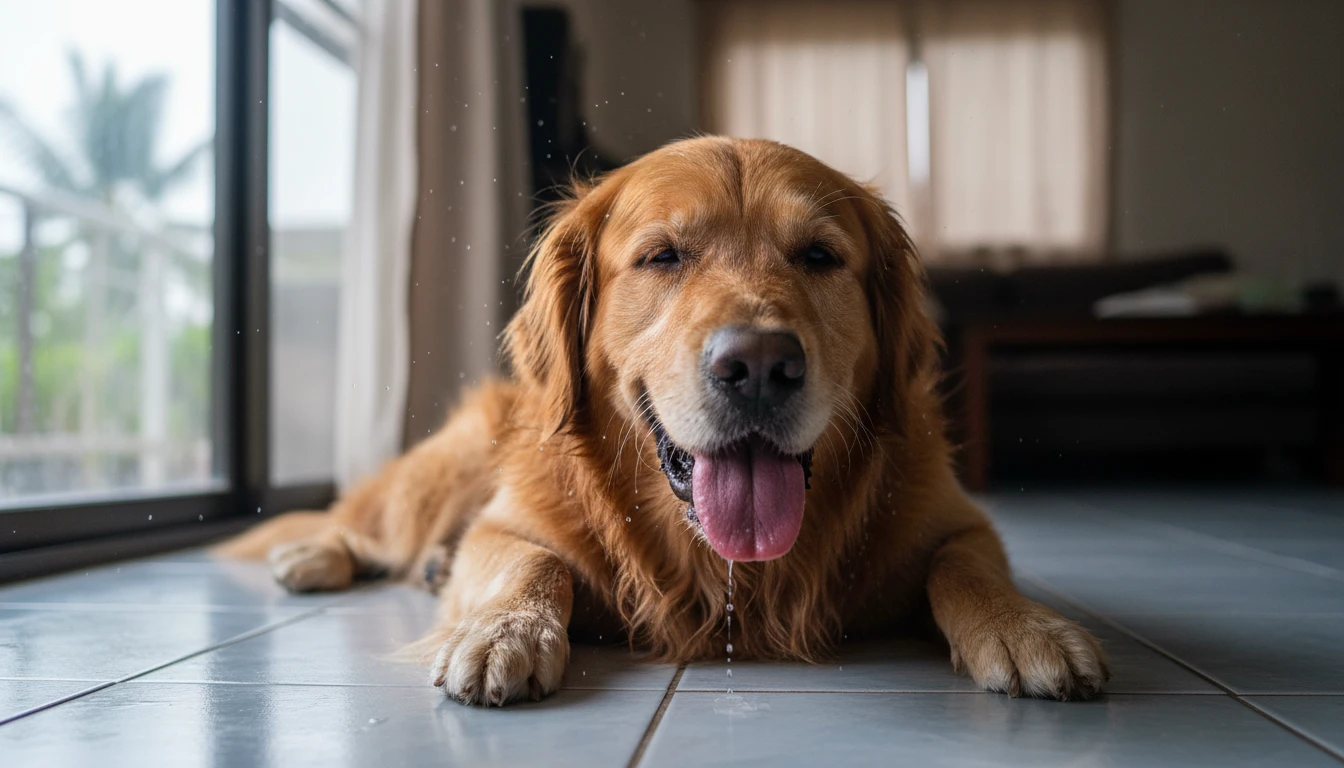
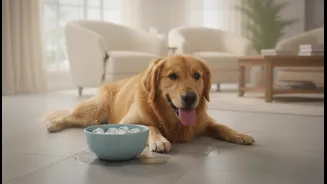
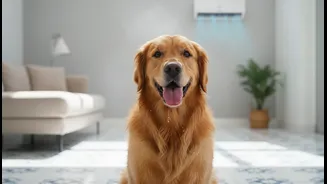
moisture—in other words, when it's humid—this process becomes incredibly inefficient. High humidity prevents the moisture in their lungs from evaporating easily, making it difficult for them to lower their body temperature. This is why a humid 80-degree day can be more dangerous for a pet than a dry 90-degree day. Their primary cooling mechanism has been shut down. Signs of this struggle include excessive panting, heavy drooling, lethargy, and seeking out cool surfaces.
Your Pet as a Living Hygrometer
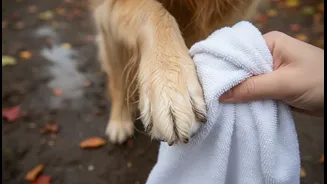
Think of your pet's discomfort as a highly sensitive, four-legged hygrometer (a device that measures humidity). While you might just feel sticky and uncomfortable, your pet is giving you a clear biological signal that there's too much moisture in the air. This damp, heavy air not only hinders their ability to cool down but can also lead to skin irritations and infections by trapping moisture in their fur. In homes, the ideal humidity level for both human and pet comfort is generally between 40% and 60%. When levels creep above this, your pet will be the first to show signs of distress, long before you notice mold starting to grow in the corners of the bathroom.
The Secret Job of Your Air Conditioner
This is where your pet’s struggle helps explain how your home's cooling system works. Most people think an air conditioner's only job is to lower the temperature. But it actually has two jobs. The first is lowering the temperature, which HVAC professionals call removing “sensible heat”—the heat you can feel and measure with a thermometer. The second, equally important job is removing moisture from the air, which is called removing “latent heat.” Latent heat is the energy held within the water vapor in the air, and it's what makes humid air feel so much hotter. Your AC removes this latent heat by passing warm, moist indoor air over cold evaporator coils. The moisture condenses on the coils—like water on a cold glass—and drips into a drain pan to be funneled away. The result is air that is both cooler and, crucially, drier.
When Cool Isn't Comfortable
So why does your house still feel clammy sometimes, even when the AC is running? This often happens with oversized air conditioning units. The powerful system cools the air so quickly that it achieves the thermostat's target temperature and shuts off before it has had enough time to run a full cycle and pull the moisture out of the air. The result is air that is technically cool, but still damp and uncomfortable—a condition your panting pet knows all too well. An AC needs longer, consistent run times to properly dehumidify the air. That sticky, unpleasant feeling is a sign that your system is only doing half its job, failing to remove the latent heat that your pet is so sensitive to.
Tips for a Drier, Safer Home
By viewing your home's climate through your pet's eyes, you can take steps that benefit everyone. First, ensure your indoor humidity is between the ideal 30-50% range using a simple hygrometer. If your AC isn't cutting it, a whole-house or portable dehumidifier is an excellent tool for removing excess moisture. Ensure your AC's fan is set to “Auto,” not “On.” This allows the moisture collected on the coils to drain outside rather than being partially blown back into your home when the cooling cycle stops. Proper ventilation, especially using exhaust fans in kitchens and bathrooms, also helps expel humid air at its source. And of course, always provide plenty of fresh, cool water for your pets to stay hydrated from the inside out.