





The Nature of Impact
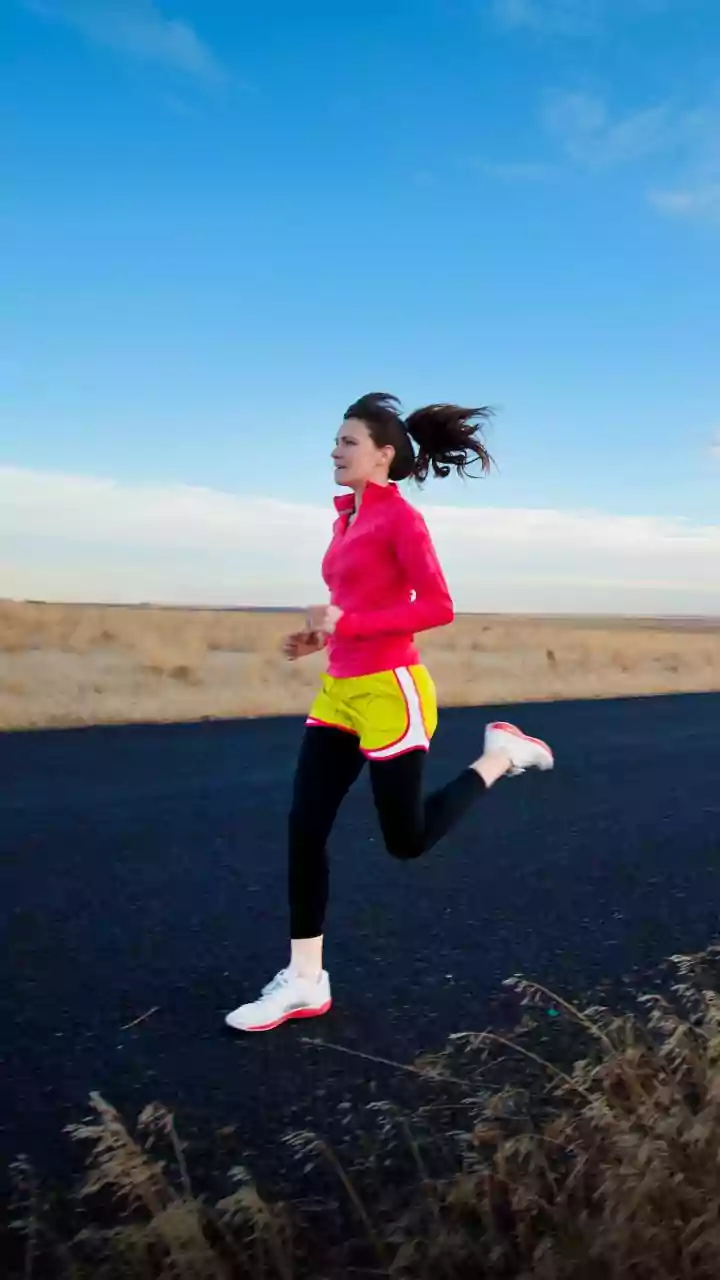
The primary difference between running and dancing lies in the nature of the impact on your joints. Running is a high-impact activity characterized by repetitive, vertical force. With every stride, your body absorbs a ground reaction force that can be several
times your body weight. This consistent pounding travels up through your feet, ankles, knees, and hips. While some studies suggest running can be beneficial for knee cartilage by promoting cell regeneration, the repetitive stress is a well-known contributor to overuse injuries. In contrast, dancing's impact is far more varied. While some styles like high-energy hip-hop or ballet involve jumping and explosive movements, many forms, such as ballroom or contemporary, are considered low-impact. They often involve smoother, more controlled movements that reduce the jarring force on joints. This variety means that the stress is distributed differently throughout a session, rather than being concentrated in the same way with every step.
Movement Patterns and Planes of Motion
Running is a predominantly linear activity. You move forward in what is known as the sagittal plane. This means the stress on your joints is consistent and predictable, primarily affecting the structures designed for forward propulsion like the front of the knee and the Achilles tendon. Dancing, on the other hand, is a multi-planar activity. Dancers move forward, backward, side-to-side, and rotationally. This three-dimensional movement engages a wider array of muscles to stabilize the joints, especially the hips and core. The constant change in direction and weight shifting can improve balance, coordination, and the strength of smaller stabilizing muscles that running might miss. However, this rotational movement can also place unique stress on the hips and knees, especially if proper technique is not maintained.
Muscle Engagement and Joint Support
Strong muscles are crucial for supporting and protecting your joints. Running is excellent for building powerful leg muscles, particularly the quadriceps, hamstrings, and calves. However, it can sometimes lead to muscle imbalances if not supplemented with other training. For example, the muscles that move the leg sideways (abductors and adductors) are not as heavily engaged. Dancing provides a more holistic muscular workout. Because it involves movement in all directions, it strengthens the large muscle groups as well as the smaller, often-neglected stabilizing muscles around the hips, ankles, and spine. This balanced muscle development provides better all-around support for the joints, potentially reducing the risk of injury from instability.
Common Injury Profiles
The different demands of running and dancing lead to different injury patterns. For runners, injuries are often related to repetitive stress. Conditions like 'runner's knee' (patellofemoral pain syndrome), shin splints, Achilles tendinitis, and stress fractures are common due to the relentless impact of pounding the pavement. Dancers face a different set of risks. Ankle sprains are among the most common acute injuries, often resulting from a misstep during a turn or landing. Overuse injuries in dance are frequently related to the demand for extreme ranges of motion, such as hip impingement from high kicks or 'trigger toe' in ballet dancers from pointe work. While running injuries are born from repetition, dance injuries often stem from complexity and the pursuit of flexibility.
Which One Is Right for You?
Neither activity is inherently 'good' or 'bad' for your joints; they simply present different risk-and-reward profiles. Running offers incredible cardiovascular benefits but requires careful attention to form, footwear, and running surfaces to mitigate its high-impact nature. It is most stressful when performed with poor mechanics or on unforgiving surfaces. Dancing offers a full-body workout that enhances strength, flexibility, and coordination, with many styles being gentle on the joints. However, more technically demanding or high-impact styles require proper instruction to avoid strain. The best choice depends on your personal goals, current fitness level, injury history, and what you genuinely enjoy. An activity you love is one you are more likely to stick with, which is the most important factor for long-term health.