






Long hours at a desk can lead to stiffness and discomfort, especially in the wrists and forearms. But what if a simple, centuries-old exercise, combined with modern wisdom on short movement breaks, could offer a powerful solution?
Demystifying the Wrist Roller
The term 'African Wrist
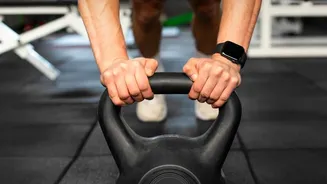
Rolling' often refers to a traditional exercise involving circular wrist motions to boost flexibility and strength. However, in modern fitness, it is more commonly associated with a specific tool: the wrist roller. This device consists of a bar with a rope and a weight attached. The exercise involves holding the bar with your arms extended and rolling your wrists to wind the weight up and down. While the 'African' moniker points to historical roots in movement, the tool itself is a straightforward and highly effective way to build powerful forearms and improve grip strength, a cornerstone of functional fitness. It targets the flexor and extensor muscles that control your hand and wrist movements, making it a comprehensive workout for the lower arms.
The Science of 'Exercise Snacks'
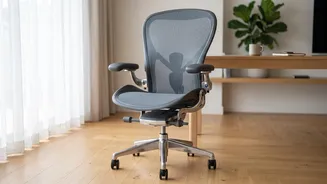
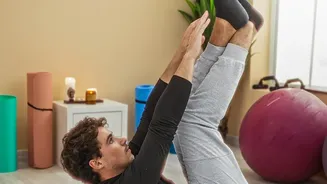
The wrist roller is effective on its own, but its true power for the modern professional is unlocked when used as an 'exercise snack'. This concept involves breaking up long periods of sitting with short, intentional bursts of physical activity. Research shows that sitting for extended periods can increase health risks, but even one- to five-minute movement breaks can improve circulation, boost energy, and enhance focus. Studies indicate that these micro-workouts, when done consistently, can lead to significant improvements in cardiorespiratory fitness, especially for inactive adults. Taking a few minutes to perform an exercise like wrist rolling is not a distraction; it’s a way to reset your body and mind, reduce stress, and improve productivity.
Mastering the Form for Maximum Benefit
Proper form is crucial to get the benefits of the wrist roller and avoid injury. Start by standing with your feet shoulder-width apart, holding the roller with both hands and an overhand grip. Extend your arms straight out in front of you at shoulder height. Keeping your arms and torso stable, begin rotating your wrists to slowly wind the rope around the bar, lifting the weight off the floor. Continue until the weight reaches the bar. The key is to isolate the movement to your wrists and forearms, avoiding the use of your shoulders or momentum. Once at the top, slowly reverse the motion, controlling the weight as it unwinds back to the starting position. This controlled descent is just as important as the lift. Start with a very light weight to perfect your form before adding more resistance.
Beyond the Wrists: A Cascade of Benefits
While the name highlights the wrists, this exercise strengthens the entire forearm complex, which is vital for any activity involving grip—from carrying groceries to lifting weights at the gym. Improved grip strength has a direct carryover to other exercises like deadlifts and pull-ups. Strong, stable forearms and wrists also play a crucial role in injury prevention, reducing the risk of conditions like tendonitis and even helping to mitigate the strain that can lead to carpal tunnel syndrome. The continuous tension provided by the wrist roller builds muscular endurance, and the focused movement enhances blood circulation to the hands and forearms, which aids in recovery.
Making Movement a Daily Habit
Integrating the wrist roller or other simple movements into your day doesn't require a major schedule overhaul. The goal is consistency, not intensity. Set a timer to remind yourself to get up and move for a few minutes every hour. You can perform a few sets of wrist rolls during a short break or while waiting for a file to download. If you don't have a wrist roller, other simple desk exercises can also be effective. Try wrist flexor and extensor stretches, where you gently pull your fingers toward and away from your body. Making a fist and then spreading your fingers wide, or performing simple wrist circles, can also relieve tension and improve circulation. The key is to find small pockets of time to counteract the negative effects of a sedentary day.