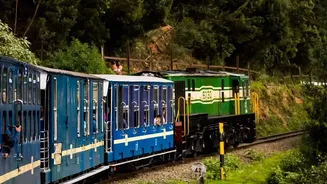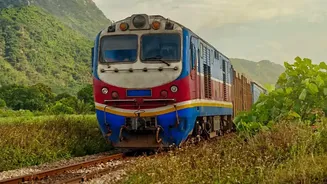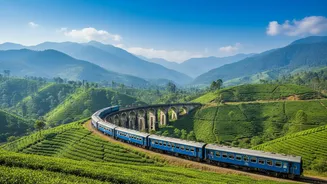



A Global Phenomenon with Regional Appeal
While the train’s striking visuals have captured the imagination of travelers worldwide, it holds particular appeal for those seeking world-class experiences closer to home. Indian tourists have become the largest group of visitors to Sri Lanka, and this
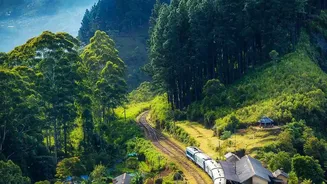
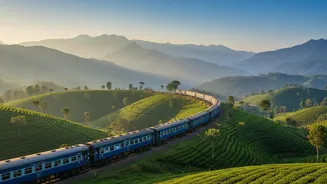
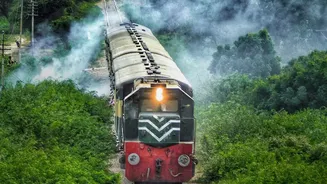
scenic journey is a major draw. The proximity, cultural connections, and sheer beauty make it an accessible yet extraordinary escape. Originally built by the British in the 19th century to transport tea from the highlands, the railway now serves as a breathtaking artery for tourism, carrying passengers through the very heart of the island’s stunning interior.
The Route: From Sacred City to Hill Country
The full journey from Kandy to Ella takes approximately seven to eight hours, though delays are common. The train chugs slowly, intentionally allowing passengers to soak in the evolving landscape. The ride begins in Kandy, Sri Lanka's cultural capital, and steadily climbs into the cooler, misty Hill Country. Many travelers choose to break up the trip with a stop in Nanu Oya, the station for the colonial-era town of Nuwara Eliya, often called 'Little England' for its quaint architecture and cooler climate. However, the stretch from Nanu Oya to Ella is widely considered the most spectacular part of the journey.
A Tapestry of Tea Fields and Waterfalls
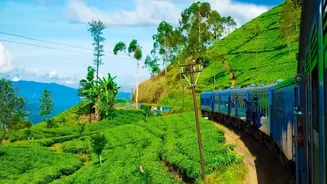
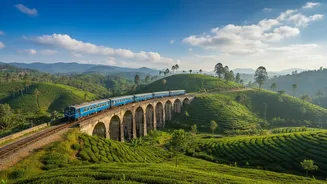
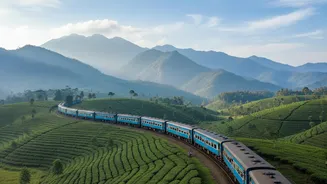
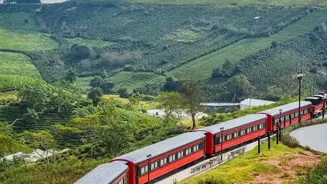
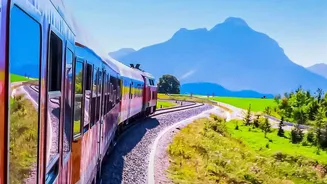
The views are the undisputed star of the show. For hours, the train winds through a seemingly endless panorama of emerald-green tea plantations, where you can often spot colorfully dressed tea pickers at work. The train passes through dozens of tunnels carved into the rock, crosses dramatic viaducts, and offers fleeting glimpses of powerful waterfalls cascading down mountainsides. The most famous landmark is the Nine Arch Bridge, a stunning stone structure located just before the train pulls into Ella. As the train curves across the bridge, it provides a picture-perfect moment that has become synonymous with the journey itself.
Choosing Your Class: Comfort vs. Experience
There are three main classes of travel, each offering a different experience. First class provides air-conditioned carriages with sealed windows and reserved seats. While comfortable, many travelers feel the closed windows detract from the immersive experience. Second and third-class carriages are the most popular choices. They feature open windows and doors, allowing for better photos and a more authentic feel. Second-class reserved seats are often considered the best balance, guaranteeing a spot with the benefit of open-air views. Third-class unreserved is the most budget-friendly and local experience, but it can get extremely crowded, and you may have to stand for much of the ride.
Tips for the Perfect Ride
Booking in advance is highly recommended, especially during the peak season from December to March, as reserved seats sell out quickly. You can book online through third-party sites like 12Go Asia or try your luck at the station. For the best views traveling from Kandy to Ella, snag a seat on the right side of the train. This side opens up to the most expansive valley and tea plantation vistas. Pack snacks and water, as onboard options are limited, and dress in layers, as the temperature drops significantly as you ascend into the hills. Finally, while the temptation to lean out of the open doorways for a photo is strong, always be mindful of your safety near tunnels and bridges.