



An Earthenware Renaissance
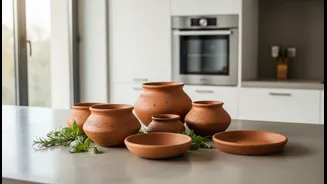
Walk through the modern kitchens of Mumbai, Bengaluru, or Delhi, and you might see something unexpected nestled amongst the stainless steel and non-stick pans: the deep, earthy red of a terracotta pot. This isn't just a fleeting trend fueled by nostalgia.
It’s a conscious choice. What was once the humble handi of rural India is being rediscovered by a new generation of urbanites. They are seeking a connection to their roots, but also tangible benefits that modern cookware often fails to provide. This revival is not about abandoning modernity, but integrating the wisdom of the past into a contemporary, health-conscious lifestyle.
More Than Just Health Benefits
The primary driver behind this trend is a growing awareness of health and wellness. Unlike many non-stick pans that can release synthetic chemicals at high heat, pure clay is natural and non-toxic. Cooking in terracotta also requires significantly less oil, as its porous nature creates a natural non-stick surface over time and circulates steam, keeping food moist. Furthermore, clay is alkaline. This property helps to neutralize the acidity of ingredients like tomatoes and spices, making food easier to digest and balancing the overall pH of the meal. The slow, even cooking process also helps in retaining the food's nutrients, which are often lost with high-heat metal cookware.
Redesigned for Urban Living
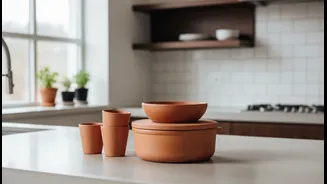
This isn't your grandmother's village pot. The terracotta finding favour in metro kitchens has been thoughtfully 'modernised'. Artisans, particularly from craft clusters in Rajasthan like Molela and Pokhran, are adapting traditional forms for today's user. These modern pots feature ergonomic handles, well-fitting lids (sometimes even glass to monitor cooking), and smoother finishes. The designs are sleeker, often blending the rustic charm of clay with contemporary aesthetics that look beautiful on an open shelf or a dining table. They are designed to work on gas stoves and are available in sizes more suitable for smaller families and compact kitchen spaces.
A Superior Culinary Experience
Chefs and home cooks alike swear by the difference in taste. Clay is a poor conductor of heat compared to metal, which sounds like a disadvantage but is actually its greatest strength. It heats up slowly and evenly, preventing hot spots and allowing for a gentle, uniform cooking process. This slow cooking allows flavours to meld and develop deeply, resulting in curries, biryanis, and dals that are richer and more aromatic. The porous clay also imparts a subtle, unique earthy flavour that cannot be replicated by any other type of vessel, turning a simple meal into a more authentic culinary experience.
Sustainable and Artisan-Centric
The move towards terracotta is also a vote for sustainability. These pots are made from the earth and are fully biodegradable, offering a green alternative to mass-produced metal pans that eventually clog landfills. This trend also shines a welcome spotlight on the artisan communities of Rajasthan, where pottery is a craft passed down through generations. The Kumhars (potter caste) of villages like Molela have been masters of this craft for centuries, traditionally creating votive plaques and domestic items. The growing urban demand provides a vital new market, encouraging innovation while helping to preserve this ancient and beautiful heritage.