


1. Gaganyaan: The Human Spaceflight Dream
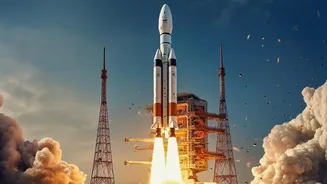
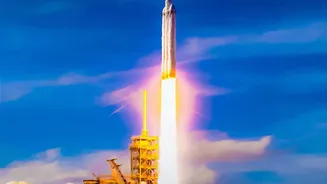
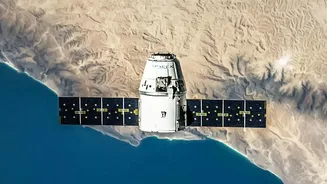
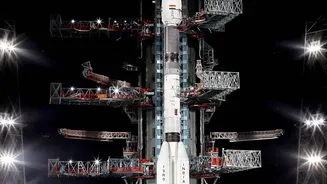
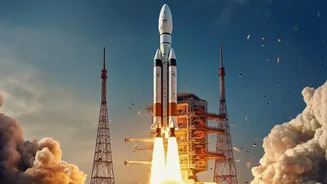
The centerpiece of ISRO's current ambitions is Gaganyaan, India's first human spaceflight programme. Before astronauts take flight, a series of crucial uncrewed test missions are scheduled. The first, Gaganyaan-1 (G1), is expected in the latter half of 2026.
This mission will be an uncrewed flight to test the orbital module, life support systems, and the crew escape system. Every component, from the human-rated LVM3 rocket to the reentry and recovery procedures, will be validated to ensure astronaut safety. Following G1, a second uncrewed mission, G2, will further test the systems, potentially carrying a humanoid robot. These missions are the critical final steps before India joins the elite club of nations capable of sending their own citizens into space, a landmark achievement for the country's technological prowess.
2. Shukrayaan-1: A Mission to Venus
While Mars and the Moon have dominated headlines, ISRO is setting its sights on Earth's other neighbour: Venus. The Shukrayaan-1 orbiter, planned for a 2028 launch, marks India's first mission to the planet. Often called Earth's 'twin' due to its similar size, Venus is a hostile world with a thick, toxic atmosphere and extreme surface temperatures. Shukrayaan-1 aims to study the planet's surface and atmosphere, investigate its mysterious volcanic activity, and understand what caused it to become so different from Earth. The mission demonstrates a maturing interplanetary capability, moving beyond proven destinations to tackle new and complex scientific questions.
3. Mangalyaan-2: A Bold Return to Mars
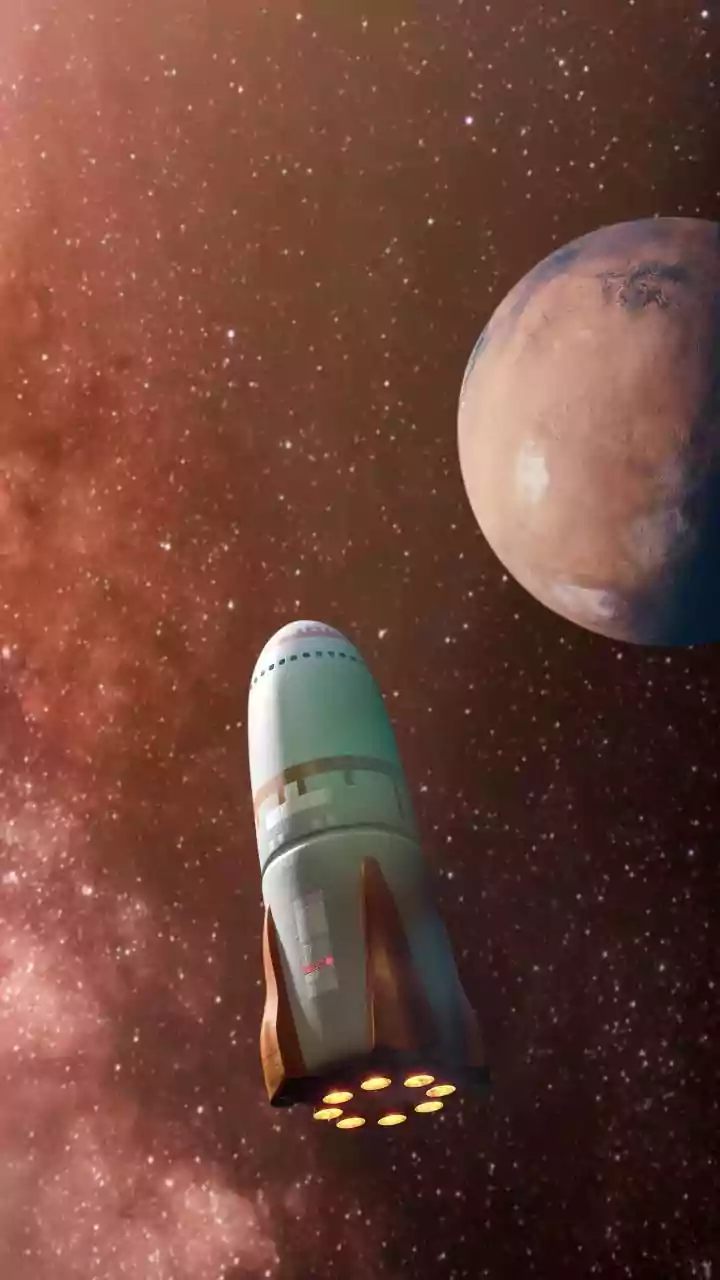
After the historic success of the Mangalyaan orbiter, which made India the first nation to reach Mars on its first attempt, ISRO is planning an ambitious sequel. Mangalyaan-2, tentatively scheduled for launch around 2030, will not just orbit the Red Planet but attempt to land on it. Current plans include a lander, a rover, and even a helicopter-like drone to study the Martian atmosphere. This represents a massive technological leap, requiring mastery of complex entry, descent, and landing procedures in Mars's thin atmosphere. If successful, India would become only the fourth country to successfully operate a spacecraft on the Martian surface, cementing its status as a major player in planetary exploration.
4. Earth Observation: A Sharper Eye on Home
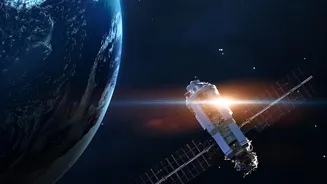
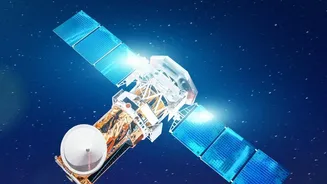
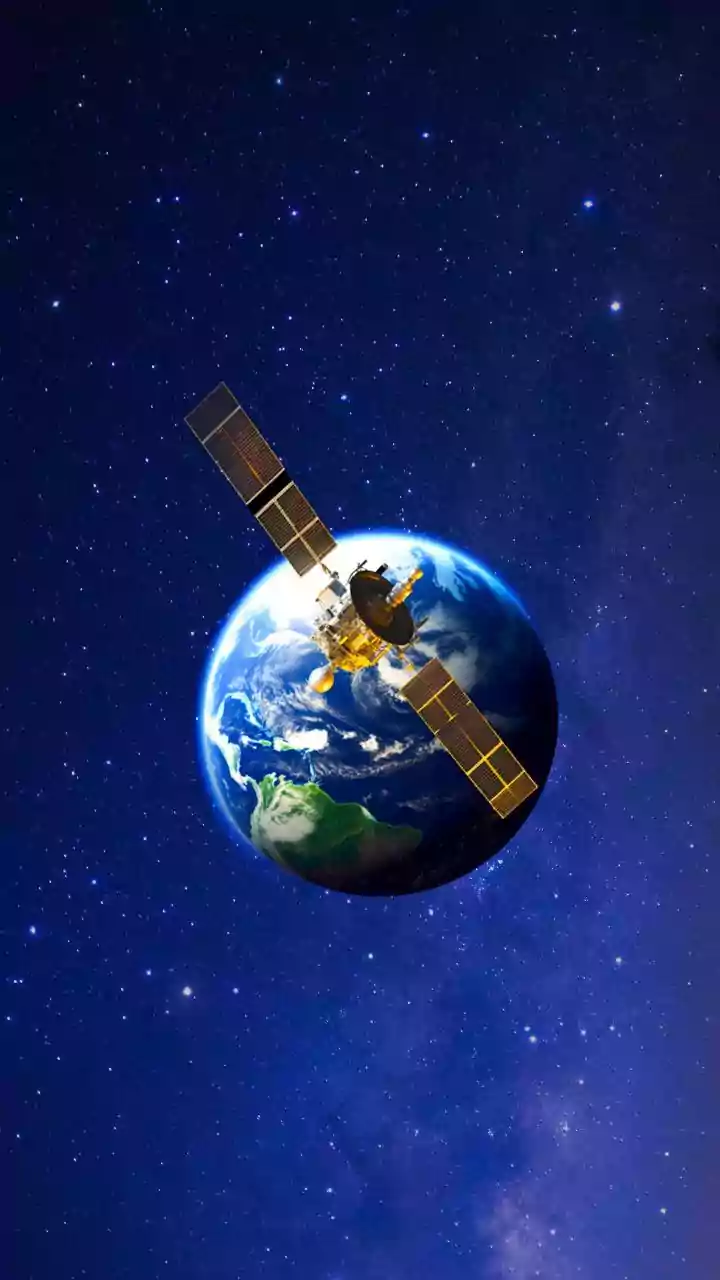
ISRO continues to enhance its world-class fleet of Earth observation satellites. An upcoming launch expected shortly is for EOS-05, also known as GISAT-1A. This satellite will be placed in a geostationary orbit, allowing it to continuously monitor the Indian subcontinent. Its primary role is to provide near real-time imagery, which is invaluable for disaster management, enabling rapid response during cyclones, floods, and forest fires. Beyond emergencies, the satellite will support agriculture management, monitor forest cover, and enhance border surveillance. This mission underscores ISRO’s commitment to using space technology for direct societal and national benefits.
5. Nurturing a Private Space Ecosystem
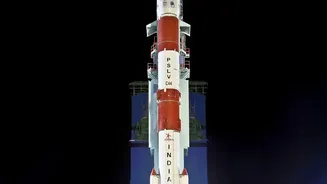
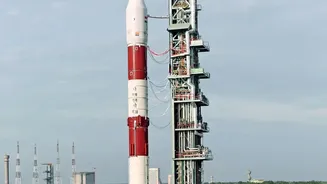
A key part of ISRO's evolving role is its transformation from the sole operator to an enabler of India's private space industry. The recent orbital success of Skyroot Aerospace's Vikram-1 rocket, built by a private startup, is a testament to this shift. ISRO's upcoming launch manifest will increasingly feature missions carrying satellites for commercial clients, both domestic and international. By opening its facilities, providing technical expertise, and handling launches through its commercial arm, ISRO is fostering a vibrant ecosystem. This strategy not only generates revenue but also accelerates innovation and increases India's overall launch capacity, allowing ISRO to focus on more advanced scientific and strategic missions.
6. Advanced Communications and Navigation
Maintaining and upgrading India's sovereign satellite capabilities remains a core priority. The upcoming launch schedule includes new satellites for communication and for the Navigation with Indian Constellation (NavIC) system. These launches ensure the resilience and modernisation of services that are critical for the economy, telecommunications, and national security. From enabling digital banking in remote areas to providing precise positioning data for transport and the military, these workhorse satellites are the unsung heroes of India's space infrastructure, and their regular replenishment is a sign of a mature and operational space programme.
7. Pushing Boundaries with Tech Demos
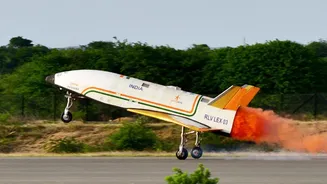
Not every launch carries a flagship scientific instrument. Some are designed to test the technologies of tomorrow. ISRO's schedule includes several technology demonstration missions, like the TDS-01 satellite. These missions serve as a testbed for new components, propulsion systems, and software in the harsh environment of space. They are crucial for de-risking future high-value missions. From reusable launch vehicle components to new plasma thrusters, these demonstrator flights are where the next generation of ISRO's capabilities are born, paving the way for even more ambitious undertakings in the decades to come.