



The Illusion of Health
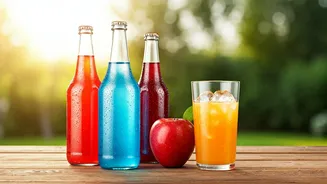
Walk down any supermarket aisle and you’re greeted by a vibrant wall of packaged drinks. From mango and litchi juices to bottled nimbu pani and iced teas, they promise instant refreshment and a dose of fruity goodness. Marketers use images of fresh, glistening
fruit and words like “natural” and “real” to create a halo of health. We buy them for our kids, pack them for picnics, and sip them after a workout, believing we're making a better choice than a fizzy cola. However, the reality inside that convenient tetra pak or bottle is often closer to a liquid dessert than a health drink. The journey from the fruit on the tree to the juice in your hand involves processes that can strip away nutrients and add a host of undesirable ingredients.
Decoding the 'Juice' Label
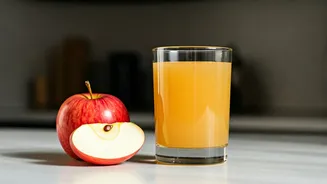
Not all fruit beverages are created equal, and the labels tell a story if you know how to read them. In India, the FSSAI (Food Safety and Standards Authority of India) has clear distinctions. A product labelled “100% Juice” must be just that—juice extracted from fruit, with no added sugar. Next comes “Nectar,” which contains a specified minimum percentage of fruit pulp or juice (e.g., 40% for mango nectar) but can have added sugar and water. At the bottom of the ladder is a “Fruit Drink” or “Ready-to-Serve Beverage.” These often contain as little as 10% fruit juice (or even less for lime-based drinks) and are primarily composed of water, sugar, and artificial flavours. So, that “mango drink” might be giving you very little mango and a whole lot of something else.
The Hidden Mountain of Sugar
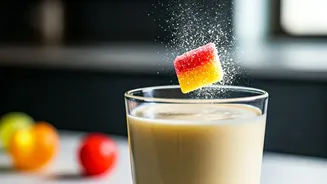
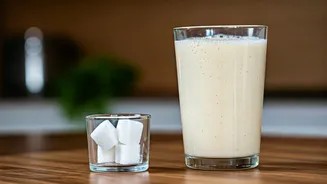
The single biggest offender in most packaged coolers is sugar. To make drinks palatable, shelf-stable, and addictive, companies load them with sweeteners. This isn't just regular sugar; it can be high-fructose corn syrup, glucose-fructose syrup, or other liquid sugars. A small 200ml serving of a popular fruit drink can contain 20-25 grams of added sugar—that’s about five to six teaspoons. To put that in perspective, it’s almost the entire recommended daily limit of added sugar for an adult. Even “100% Juice” is a concentrated source of fruit sugar (fructose) without the beneficial fibre of the whole fruit, which helps slow down sugar absorption. This can lead to rapid blood sugar spikes and crashes, contributing to cravings and long-term health issues.
What 'Natural Flavours' Really Means
The ingredient list might read like a chemistry experiment. Beyond sugar, you’ll find acidity regulators, stabilisers, and preservatives designed to give the drink a long shelf life and consistent taste. Words like “nature-identical flavouring substances” can be misleading. While they are chemically similar to natural flavours, they are created in a lab. Real fruit flavour is complex and degrades over time; these additives provide a potent, consistent taste that real juice often can't match after months on a shelf. Similarly, vibrant colours that don't fade are usually thanks to synthetic food dyes. While approved for consumption, many people prefer to avoid these artificial additives in their daily diet.
The 'Traditional' Drink Trap
In recent years, we've seen a welcome rise in packaged versions of traditional Indian coolers like aam panna, jaljeera, and kokum sharbat. They tap into a sense of nostalgia and perceived authenticity. While they can be a better alternative to colas, it’s crucial to apply the same scrutiny. The homemade aam panna your grandmother made had roasted raw mango, water, and spices. The packaged version needs preservatives to stay fresh and often contains significant amounts of refined sugar to balance the tartness and appeal to a mass market. They are convenient, but they are a processed food product, not a homemade remedy. Always check the ingredient list.
How to Be a Smarter Sipper
Becoming a conscious consumer doesn't mean giving up convenience entirely. It’s about making informed choices. First, always read the ingredient list, not just the front label. Ingredients are listed by weight, so if sugar is one of the first three, it’s a major component. Second, check the nutritional information for “Added Sugar.” Third, choose “100% Juice” over “Nectar” or “Drink,” and consume it in moderation. Better yet, opt for plain water, unsweetened iced tea, coconut water, or buttermilk (chaas). The best option? Blend your own fruit with water to create a truly healthy cooler with all the fibre intact. It takes a few extra minutes but offers far superior nutritional value.