






What is This Ruby-Red Spice?
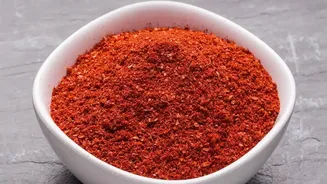
Sumac is a coarse powder made from the dried and ground berries of the wild sumac shrub, scientifically known as Rhus coriaria. This plant is native to the Mediterranean and the Middle East, where the spice has been a culinary staple for centuries, used
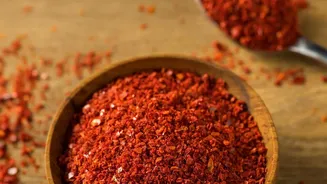
long before lemons were introduced to the region as a primary souring agent. The berries are harvested when they reach a deep, rich red, and then processed into the crimson-coloured spice you see in jars. It’s a key ingredient in famous Middle Eastern spice blends like za'atar and is essential in dishes such as the Levantine salad, fattoush. It is important not to confuse culinary sumac with poison sumac, which is a different plant altogether and produces white berries.
A Burst of Tangy Flavour
Sumac's flavour profile is its main draw: it delivers a bright, tart, and fruity tang that is often compared to lemon. However, unlike lemon juice or vinegar, its acidity is softer and less sharp, with subtle earthy undertones. One of its biggest advantages is that it provides this sourness without adding any liquid. This makes it perfect for situations where you want to add brightness without making a dish soggy or diluting its texture, such as with crispy roasted items or in dry rubs. For home cooks in India, the flavour can be seen as a cousin to amchur (dried mango powder) or tamarind, offering a new dimension of tartness. It has no heat, making it a versatile way to add complexity without spiciness.
Transform Your Salads
A simple sprinkle of sumac can completely elevate a salad. Its lemony profile is a natural fit for fresh vegetables. In dressings, it can sharpen a vinaigrette or be whisked into a yoghurt-based sauce to create a creamy, tangy topping. For a classic use, try making a simple tomato and onion salad with a generous dusting of sumac, a drizzle of olive oil, and a pinch of salt. It is the signature spice in fattoush, where its acidity cuts through the richness of the toasted pita bread. You can also use it to season everything from a simple cucumber salad to a hearty chickpea or bean salad, adding a pop of colour and a refreshing finish.
Elevate Your Roasted Vegetables
Roasted vegetables and sumac are a perfect match. The spice’s brightness cuts through the caramelised sweetness of vegetables like carrots, sweet potatoes, pumpkin, and cauliflower. The best way to use it is as a finishing spice; toss your vegetables with olive oil and roast them as usual, then sprinkle sumac over them as soon as they come out of the oven. The residual heat helps to open up its aroma and flavour. It pairs beautifully with root vegetables like beetroot and parsnip, and brings a welcome zest to roasted onions and capsicums. For an easy side dish, toss roasted potatoes with sumac, garlic powder, and fresh parsley for an instant flavour boost.
Beyond the Basics: Other Uses
Sumac's utility extends far beyond salads and roasted vegetables. It is an excellent addition to marinades and dry rubs for chicken, fish, and lamb, where its acidity helps to balance fatty cuts of meat. Sprinkle it over hummus, baba ghanoush, or labneh for a traditional and flavourful garnish. A dash of sumac can even liven up your breakfast, whether scattered over fried eggs or avocado toast instead of lemon juice. It is also commonly mixed into yoghurt or sour cream to create a simple, tangy dip for kebabs or chips. Some early research also points towards potential health benefits, as sumac is rich in antioxidants.
Finding and Storing Sumac in India
Once a niche ingredient, sumac is now increasingly available in India. You can find it in the spice aisle of larger supermarkets, specialty food stores, and online through various retailers like JioMart and Flipkart. When buying sumac, look for a vibrant, deep red or burgundy colour; a brownish, dusty appearance can indicate that it is old and has lost its flavour. Some blends may also contain added salt, so it is a good idea to check the label. To keep it fresh, store sumac in an airtight container in a cool, dark place away from the stove. It should retain its bright flavour and colour for about a year.