



Understanding the Absorption Stage
The absorption method is a common technique for cooking grains like rice, quinoa, and barley. It involves using a precise amount of liquid that the grain will soak up completely. The process starts by bringing the grain and liquid to a boil, then reducing
the heat to a simmer. The "absorption stage" is the final, crucial phase. It begins once the grains have absorbed most of the visible liquid and the rest of the cooking is completed by steam trapped in the pot. This is the moment where many home cooks go wrong, often by leaving the heat too high.
The Science of Steam and Starch
When you cook rice, heat causes the starch molecules within the grains to absorb water and swell in a process called gelatinization. This is what transforms hard, raw grains into the soft, edible food we enjoy. The initial boil gets this process started quickly and efficiently. However, once most of the water is absorbed, the remaining cooking needs to be gentle. High heat will simply scorch the bottom layer of rice that is in direct contact with the pot. By reducing the heat to its lowest setting, you allow the remaining liquid to turn into gentle steam. This trapped steam circulates throughout the pot, finishing the gelatinization process evenly from top to bottom and allowing the moisture to redistribute for a uniform, fluffy texture.
The Foolproof Technique
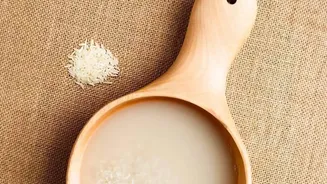
Mastering this technique is simple. First, consider rinsing your rice to remove excess surface starch, which helps prevent stickiness. Next, use the correct ratio of liquid to grain, which varies by the type of grain but is often around 1.5 to 2 parts water for every 1 part rice. Bring the liquid and grain to a boil in a pot with a heavy bottom and a tight-fitting lid. As soon as it boils, give it one quick stir, then immediately reduce the heat to the absolute lowest setting your stove can manage. Cover the pot and let it simmer without lifting the lid. Peeking releases the steam, which is essential for even cooking.
Patience is a Virtue: The Final Rest
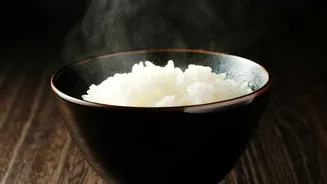
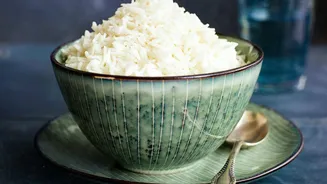
Once the cooking time is up (typically 10-20 minutes, depending on the grain), the work still isn't done. Turn off the heat completely but leave the pot covered on the stove for another 5 to 10 minutes. This resting period is non-negotiable for perfect texture. It allows the last bits of moisture to be absorbed and the grains to firm up, ensuring they don't become mushy or sticky when you fluff them. After resting, you can lift the lid and gently fluff the grains with a fork. You’ll be rewarded with perfectly cooked, distinct grains from top to bottom.
Beyond Rice: Applying the Method to Other Grains
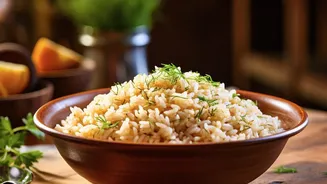
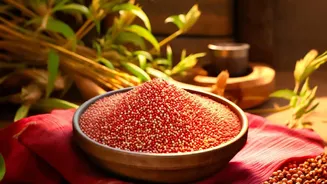
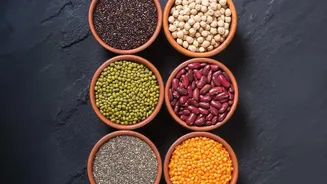
This low-and-slow absorption principle isn't just for rice. It's the best practice for a variety of grains that cook by absorbing liquid. Grains like quinoa, millet, bulgur wheat, and farro all benefit from this method. While the specific water-to-grain ratios and cooking times will differ for each, the core concept remains the same: bring to a boil, then reduce to a very low simmer to let steam do the heavy lifting. Some grains, like quinoa, may require rinsing to remove natural compounds called saponins, which can impart a bitter taste, but the fundamental cooking process is identical.