






A Greener Way to Celebrate
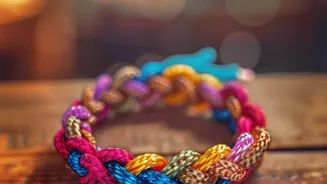
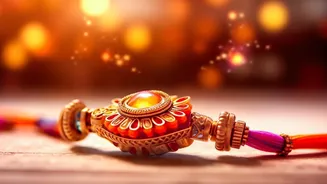
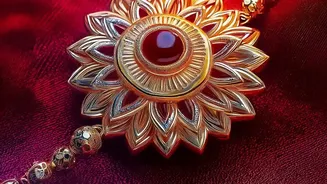
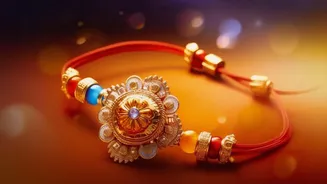
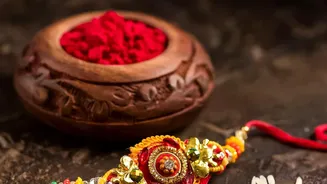
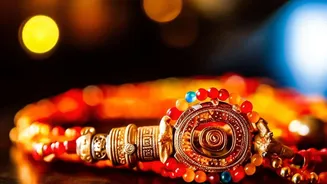
The traditional Raksha Bandhan thread, a symbol of the bond between siblings, is getting a modern, eco-conscious makeover. Young consumers in India are increasingly saying no to the mass-produced plastic and synthetic rakhis that end up in landfills,
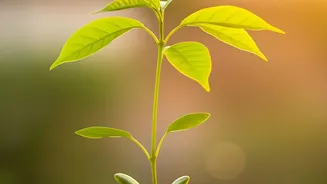
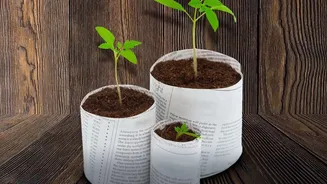
contributing to tonnes of non-biodegradable waste each year. Instead, they are seeking out alternatives that are both beautiful and beneficial for the planet. The stars of this movement are plantable rakhis and upcycled handicrafts. A plantable rakhi is a marvel of sustainable design; made from biodegradable materials like recycled paper or cotton, it has seeds of flowers, herbs, or vegetables embedded within it. After the festival, instead of being discarded, the rakhi can be planted in soil, transforming a symbol of love into a living plant.
The Why Behind the Buy
This trend is more than just a novelty; it reflects a deeper shift in the values of young Indians. A growing awareness around sustainability and climate change is a key driver. Reports show that consumers, particularly younger, urban ones, are increasingly conscious of Environmental, Social, and Governance (ESG) factors in their purchases. They are not just buying a product; they are buying into an idea. The choice of an eco-friendly rakhi is a statement against the environmental damage caused by conventional rakhis, which can take hundreds of years to decompose. This generation wants their festive celebrations to align with their environmental values, turning a personal tradition into a collective act of responsibility. The appeal also lies in the authenticity and story behind these products. Many are handmade by local artisans and social enterprises, meaning each purchase supports livelihoods and preserves traditional craft skills.
Upcycling: Old Waste, New Beauty
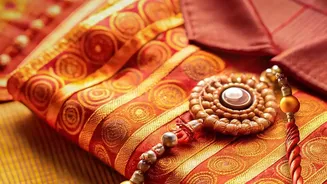
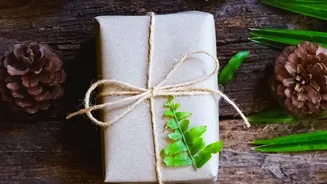
Alongside plantable options, upcycled handicrafts are capturing the imagination of conscious consumers. Upcycling is the creative reuse of waste materials to create a product of higher quality or value than the original. For Raksha Bandhan and other festivals, this translates into a stunning array of products. Artisans are transforming materials like old fabric scraps, discarded sarees, jute, coconut shells, and even tyre tubes into unique rakhis, gift boxes, and decor items. These products not only prevent waste from ending up in landfills but also champion a circular economy. They prove that sustainability and beautiful design can go hand-in-hand, offering a tangible connection to India's rich heritage of resourcefulness and craftsmanship.
More Than Just a Trend
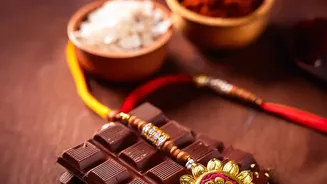
While the market for conventional rakhis remains large, the growing demand for sustainable alternatives signals a significant cultural shift. Online platforms and local businesses are making these eco-friendly options more accessible than ever, offering everything from single plantable rakhis to curated, sustainable gift hampers. This move away from generic, mass-produced goods towards personalized, thoughtful, and sustainable choices is redefining festive gifting. It’s a move that benefits everyone: consumers get a unique product with a story, artisans gain economic empowerment, and the planet is spared a little more pollution. The choice is no longer just between different colours and designs, but between disposable convenience and enduring value.