





What Is a Tasting Menu?
Also known as a degustation menu, this format ditches the à la carte model for a series of small, artistically presented dishes curated by the chef. Ranging from five to over a dozen courses, the meal is designed to be a culinary journey, showcasing a chef's
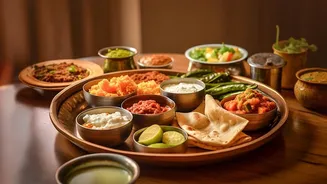
creativity, seasonal ingredients, and a specific theme or story. Unlike a buffet's abundance or a traditional thali's familiar structure, the tasting menu is about precision, pacing, and surrendering control. The guiding principle is similar to the Japanese concept of 'omakase', which translates to "I leave it up to you". Diners put their trust in the chef to guide them through a carefully orchestrated experience that can last two hours or more.
A Hunger for Experiences, Not Just Food
So, why the sudden appetite for this formal, Western-style dining? The answer lies in a broader cultural shift. As disposable incomes rise, urban Indians, particularly millennials and Gen Z, are prioritizing spending on memorable experiences over material goods. Dining out is no longer just about sustenance; it's an event, a memory to be crafted and shared. This trend has been accelerated by global travel, exposure to international food shows, and a desire for novelty. After years of predictable meals, a growing segment of the population is seeking deeper engagement with their food—they want to understand ingredients, techniques, and the story behind each dish.
The Chef as a Storyteller
Tasting menus have elevated the role of the Indian chef from a behind-the-scenes craftsperson to a visible artist and narrator. This format is their canvas, allowing them to showcase hyper-local, seasonal produce and reinterpret regional cuisines in modern ways. Chefs are reviving forgotten grains, foraging for rare ingredients like Himalayan sea buckthorn, and creating dishes that tell a story about a specific region, ecosystem, or personal memory. Restaurants in cities like Mumbai, Delhi, and Bengaluru are championing this movement, creating experiences that are rooted in Indian culinary traditions but presented with global finesse. This isn't about mimicking the West, but about a newfound confidence in India's own gastronomic heritage.
An Evolving Culinary Landscape
This phenomenon is not just confined to the major metros. A similar trend is emerging in Tier-2 cities like Jaipur, Kochi, and Chandigarh, where a well-travelled, aspirational population is eager for sophisticated dining options. For restaurants, tasting menus offer several advantages. They allow for precise inventory control, reduce food waste, and often command higher profit margins. From a diner's perspective, it prevents palate fatigue by offering a variety of flavours in small portions. While some may see small portions and high prices as pretentious, proponents argue that the value lies in the craftsmanship, the narrative, and the multi-sensory experience that goes far beyond just filling a stomach.
The Future on a Plate
The rise of the multi-course meal is more than a fleeting food trend. It is a powerful indicator of a modern, confident India. It reflects a society with growing economic power and a desire to connect with its roots in new and creative ways. While traditional family-style dining will always be the heart of Indian food culture, the tasting menu offers a compelling parallel path—one that is personal, introspective, and thoughtfully curated. It suggests a future where dining is less about sheer volume and more about the depth of the story on the plate. As chefs continue to push boundaries, the Indian tasting menu is not just following global trends, but is on its way to shaping them.