




In the world of plant-based eating, quinoa and lentils are undisputed superstars. Both are celebrated for their nutritional punch, but they aren't interchangeable. Understanding their different strengths is key to building a truly balanced plate.
Quinoa: The Complete Protein Powerhouse
Often
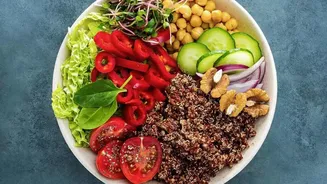
mistaken for a grain, quinoa is technically a seed, and it boasts a truly special quality: it is a complete protein. This means it contains all nine essential amino acids that our bodies cannot produce on their own. This is a rarity in the plant kingdom, making quinoa an exceptional choice for vegetarians and vegans. A cooked cup provides about 8 grams of this high-quality protein. Beyond protein, quinoa offers a fluffy, light texture that makes it incredibly versatile. It cooks in just 15-20 minutes, much faster than brown rice, and serves as a fantastic gluten-free base for salads, grain bowls, or as a side dish. It also has a low glycemic index, around 53, which means it helps keep blood sugar levels stable. Before cooking, it's important to rinse quinoa under cold water to remove its natural coating, called saponins, which can taste bitter.
Lentils: The Fibre and Mineral Kings
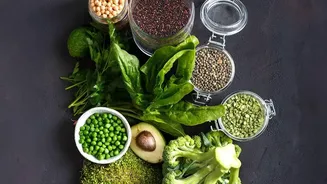
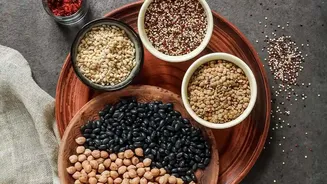
Lentils are part of the legume family and are true nutritional workhorses, particularly when it comes to fibre and minerals. A single cooked cup can contain a massive 15-16 grams of dietary fibre, which is over half the daily recommendation for many adults. This impressive fibre content aids digestion, promotes gut health, and contributes to a feeling of fullness, which can help with weight management. Lentils also shine in their mineral content. They are packed with folate, a crucial B-vitamin, and are an excellent source of plant-based iron, potassium, and magnesium. Per 100 grams, lentils provide more protein (about 9 grams) than quinoa (about 4.4 grams). Although not a complete protein on their own, they become one when paired with a grain like rice or quinoa. Economical and available in various colours like brown, green, and red, lentils are perfect for hearty soups, dals, stews, and veggie burgers.
Nutritional Showdown: A Closer Look
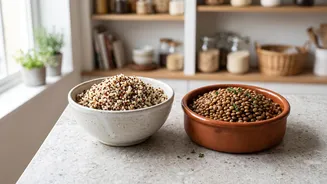
When placed side-by-side per 100g serving, the differences become clear. Lentils edge out quinoa in protein (9g vs 4.4g) and are significantly higher in dietary fibre. They are also a superior source of iron, with roughly double the amount found in quinoa, and contain substantially more potassium and folate. However, quinoa's claim to fame remains its complete amino acid profile, something lentils lack on their own. Quinoa also provides a higher amount of magnesium. Calorie and carbohydrate counts are broadly similar, with both being low-fat options. The glycemic index of lentils is even lower than quinoa's, making both excellent choices for blood sugar management. It's also worth noting that both contain 'anti-nutrients' like phytates, which can slightly hinder mineral absorption. However, common preparation methods like soaking and cooking significantly reduce these compounds, making their benefits far outweigh any potential drawbacks.
Better Together: The Ultimate Power Couple
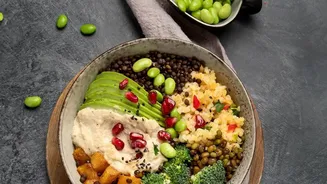
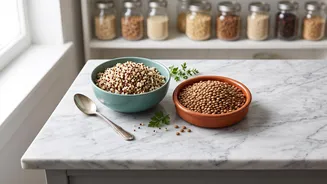
The debate over quinoa versus lentils misses the most important point: they work best as a team. You don't have to choose one over the other. Combining them in a single meal creates a nutritional synergy that elevates your plate. Cooking them together in a one pot meal is a time saving hack that delivers a powerhouse of nutrients. The combination provides the complete protein profile from quinoa along with the fibre and iron boost from lentils. This pairing ensures you get a wide spectrum of amino acids, vitamins, and minerals. From a culinary perspective, they offer a delightful contrast in textures. The fluffy, slightly nutty quinoa is a perfect counterpoint to the soft, earthy lentils. This combination works beautifully in warm salads, hearty pilafs, stuffed vegetables, or as a robust base for a flavourful curry. By using both, you get a meal that is more satisfying than if you were to use either one alone.