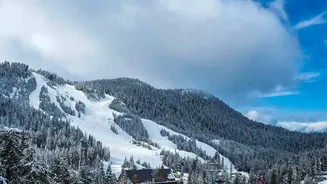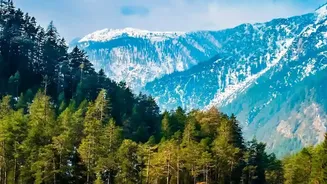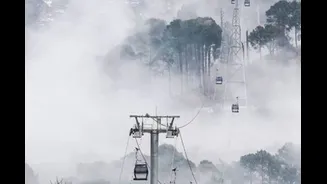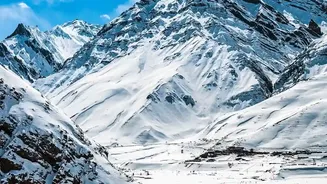

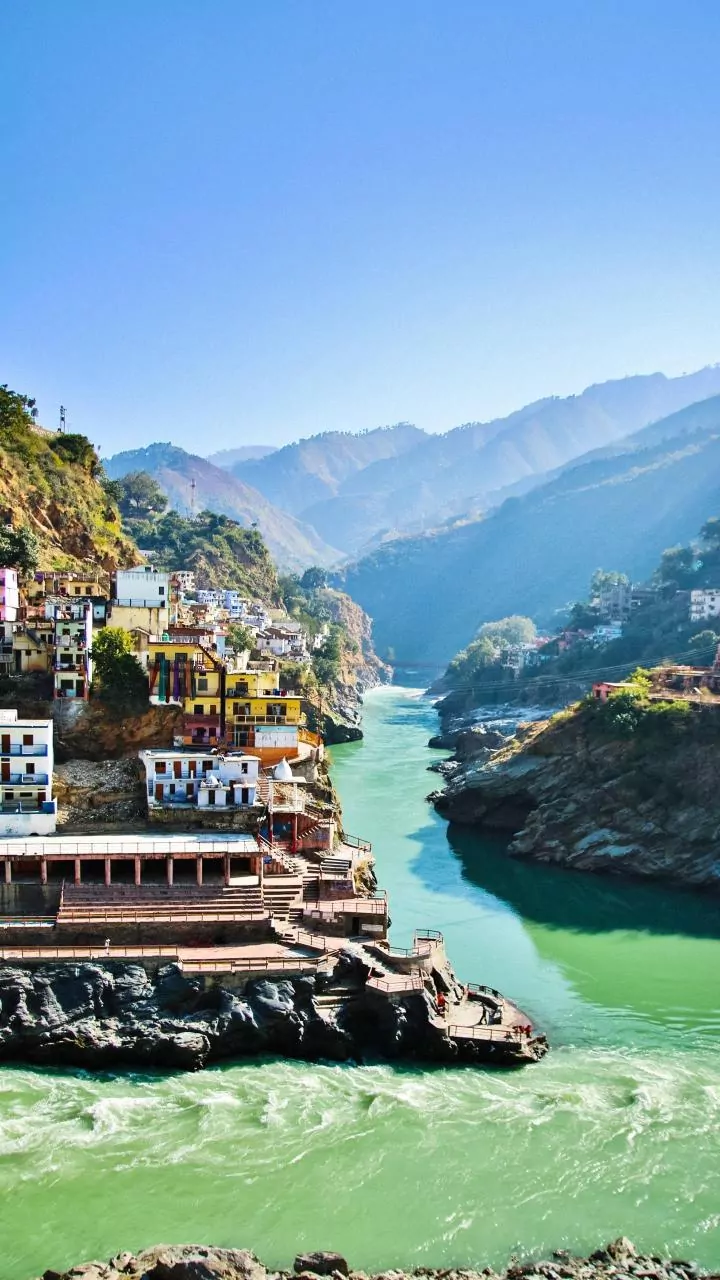


When winter blankets the Jammu region in snow, most travellers head straight for Patnitop. But beyond this popular hill station lies a world of serene meadows and adventure-filled valleys waiting to be explored. Here’s where to go next.
Bhaderwah: The 'Mini Kashmir' Experience
Often called 'Mini
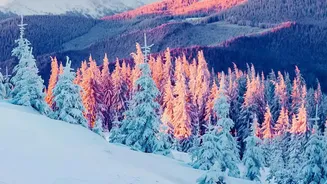
Kashmir' for its breathtaking beauty, Bhaderwah is a sprawling valley in the Doda district, about 205 km from Jammu. In winter, its meadows, like Jai Valley and Guldanda, are covered in a thick blanket of snow, making it a paradise for nature lovers and adventure seekers. Unlike the crowded slopes of more famous resorts, Bhaderwah offers a tranquil escape. The region comes alive during its annual Winter Festival, which features cultural performances, local cuisine, and adventure sports like skiing, snow-scooter rides, and paragliding. With its dense deodar forests and pristine landscapes, Bhaderwah provides a more immersive and less commercialised winter experience.
Sanasar: The Snowy Meadow Retreat
Just a short 20 km drive from Patnitop, Sanasar is a cup-shaped meadow that transforms into a magical, snow-covered wonderland in winter. This destination is perfect for families and those looking for a quiet retreat. The gentle slopes become ideal for snow sledging, building snowmen, and beginner skiing, offering a relaxed alternative to more intense winter sports hubs. While adventure activities like paragliding are more common in other seasons, the sheer beauty of the frozen landscape makes winter a special time to visit. Accommodation is available, allowing you to wake up to serene, snowy vistas away from the bustle. Its proximity to Patnitop makes it an easy addition to any winter itinerary.
Nathatop: The Panoramic Viewpoint
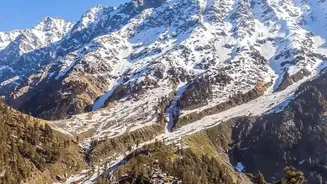
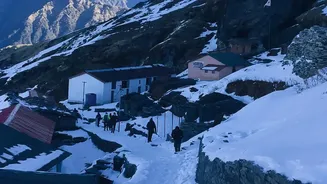
Situated at a higher altitude than Patnitop, about 14 km away on the road to Sanasar, Nathatop is a viewpoint renowned for its spectacular panoramic views of the snow-capped Himalayan peaks. During the peak winter months, from late December to February, its slopes are draped in snow, making it a popular stop for photography and snow play. While there are no hotels at Nathatop itself, its roadside eateries offering hot tea and snacks provide a welcome break. It’s an essential stop for anyone travelling between Patnitop and Sanasar, offering some of the most dramatic and accessible snowscapes in the region, though travellers should always check road conditions as heavy snowfall can cause temporary closures.
Understanding Mountain Weather's Volatility
Mountain weather is notoriously unpredictable and can change in minutes. A sunny morning can quickly turn into a snowy afternoon with sharp drops in temperature. This volatility is due to high altitudes and complex topography, which create microclimates. Valleys can act as wind funnels, and moisture can rise rapidly, leading to sudden snowfall or fog with little warning. Weather forecasting systems in remote mountain areas are not always precise, so it's crucial to prepare for all conditions, not just the ones in the forecast. Always have a backup plan in case weather forces you to alter your travel schedule.
Your Essential Winter Packing List
The key to comfort in the mountains is layering. Instead of one bulky jacket, pack multiple layers that you can add or remove. Start with a thermal base layer to trap heat. Add a fleece or wool sweater as a middle layer for insulation. Your outermost layer should be a windproof and waterproof padded jacket to protect against the elements. Don’t forget waterproof boots with good grip, as fashion boots will slip on ice. Woollen socks are essential, as cotton holds moisture and makes your feet cold. Also pack a warm cap, gloves, and a scarf. Sunglasses and sunscreen are surprisingly crucial, as sunlight reflecting off snow can be intense.
Health and Safety in the Hills
High altitude brings its own set of health considerations, primarily Acute Mountain Sickness (AMS). AMS can affect anyone travelling above 8,000 feet and symptoms include headache, nausea, dizziness, and fatigue. To prevent it, ascend slowly and allow your body time to acclimatise. Staying hydrated by drinking plenty of water is crucial. If you develop symptoms of AMS, do not ascend further. If they worsen, the only effective treatment is to descend to a lower altitude immediately. Road safety is another factor; always check road conditions before setting out, especially in winter when snow and ice can cause closures or delays. Drive cautiously on narrow, winding roads and keep your itinerary flexible.