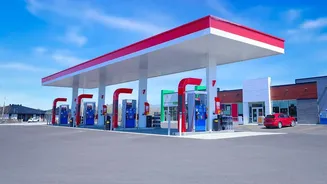







The First Signal of a Safe Haven: Lighting
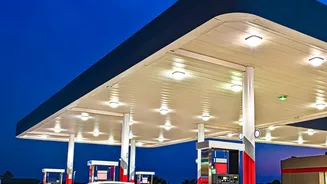
When you’re on the highway, especially after dusk, a well-lit establishment is your first and most important green flag. Ample lighting in the parking area and around the premises is a powerful deterrent to crime and signals a professionally run stop.
Dark, shadowy parking lots can conceal risks, from theft to other safety hazards. Good lighting suggests the management is attentive to security and maintains the property well. It allows you to check your surroundings, park safely, and walk into the restaurant or restroom with confidence. Federal Highway Administration research shows that adequate lighting significantly reduces nighttime crash risks, a principle that extends to the safety of rest stop environments. A brightly lit facade isn't just for show; it's a fundamental indicator of safety and operational standards.
The Ultimate Hygiene Check: The Washroom
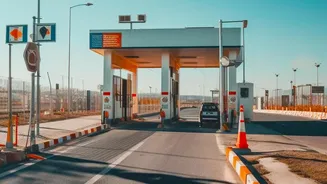
The state of the washrooms is often a direct reflection of the kitchen's hygiene. A clean, well-maintained toilet with running water, soap, and functional fixtures suggests the establishment prioritizes cleanliness across the board. Conversely, a dirty, foul-smelling, or poorly equipped washroom is a major red flag about overall sanitation standards. For years, poor washroom hygiene has been a significant pain point for highway travellers in India. While initiatives from the National Highways Authority of India (NHAI) aim to improve facilities at toll plazas, the responsibility at private eateries varies wildly. Before committing to a meal, make a quick trip to the restroom. If it doesn’t meet a basic standard of cleanliness, it’s wise to reconsider eating there, as it's a strong indicator of the operator’s general approach to hygiene.
Judging Food Quality by Freshness and Turnover
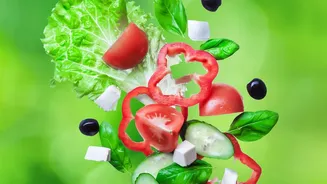
The best food on the highway is not just about taste; it’s about safety. The golden rule is to choose a busy spot. A high turnover of customers, particularly commercial truck drivers and families, means the food is likely prepared fresh. Stagnant ingredients at a slow-moving dhaba increase the risk of foodborne illnesses. Pay attention to how the food is handled. Are the cooking stations clean? Is food kept covered and served hot? Studies on street food safety in India have repeatedly shown that risky practices like not covering food, using unclean wiping cloths, and handling food with bare hands are common. A bustling kitchen where you can see fresh ingredients being cooked to order is always a safer bet than pre-made items sitting out for hours. When in doubt, stick to simple, freshly cooked vegetarian dishes like dal, roti, and sabzi, which are generally cooked at high temperatures and are staples of most highway eateries.
Other Telltale Signs of a Good Stop
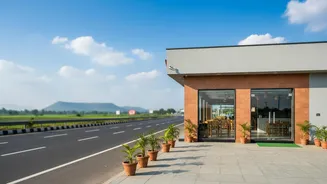
Beyond the big three, there are other clues to look for. The presence of other families is often a reassuring sign that the place is considered safe and reliable. A parking lot with well-maintained cars, rather than just a few dusty trucks in a corner, also suggests a reputable establishment. Furthermore, trust your instincts. If a place feels off, or the staff seem indifferent, it’s better to drive on for a few more kilometres. Planning your stops in advance using navigation apps can help, but always be prepared to make a judgment call on the ground. Carrying your own essentials like hand sanitizer, tissues, and bottled water can also bridge the gap when facilities aren't up to par.