




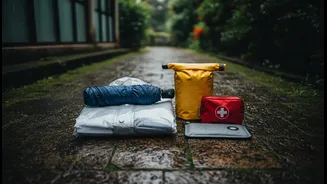


DO: Pack Smart, Not Heavy
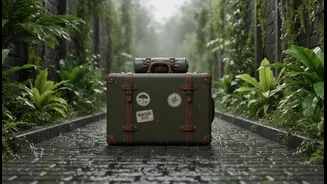
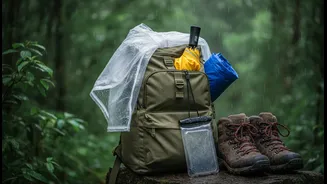
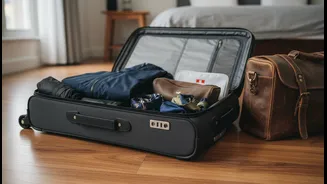
Your packing strategy is your first line of defence. Opt for lightweight, synthetic fabrics like polyester and nylon that dry quickly. Cotton and denim are best avoided as they take a long time to dry in high humidity and can become uncomfortable. Pack
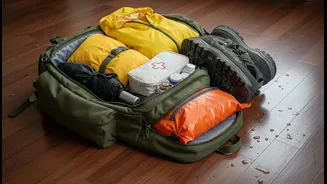
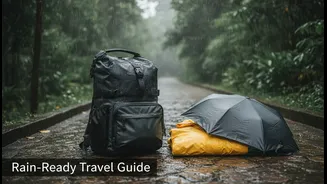
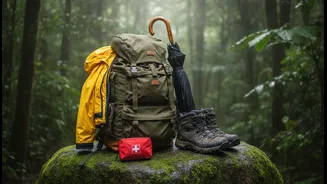
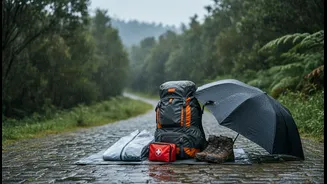
a heavy-duty raincoat or poncho and a sturdy umbrella. A waterproof backpack or a reliable rain cover is non-negotiable to protect your belongings, especially electronics. Also, carry several zip-lock or dry bags to compartmentalise important items like documents, cash, and gadgets for extra safety during sudden downpours.
DON'T: Forget the Right Footwear
This is not the season for leather shoes, canvas sneakers, or fancy heels. They trap water, take forever to dry, and can lead to fungal infections. Instead, your go-to footwear should be rubber sandals, floaters, or any waterproof shoes with a good grip to navigate slippery surfaces and waterlogged streets. If you're planning on trekking, invest in a pair of sturdy, anti-skid hiking boots. Flip-flops are great for casual or indoor use but may not offer enough protection or grip for walking around outside.
DO: Prioritise Health and Hygiene
The monsoon season sees a spike in waterborne and mosquito-borne diseases like cholera, typhoid, dengue, and malaria. Always drink boiled, filtered, or sealed bottled water. Avoid street food, especially items that are uncooked, have been sitting out, or are served with unpurified water. Opt for hot, freshly prepared meals. Carry a basic first-aid kit with essentials like antiseptic cream, bandages, and medications for common ailments like cold, fever, and stomach issues. A strong insect repellent is a must-have to protect yourself from mosquito bites.
DON'T: Stick to a Rigid Itinerary
Monsoon travel is unpredictable. Heavy rains can cause significant travel delays, including traffic jams, flight cancellations, and flooded roads. It’s wise to build buffer days into your schedule. Road trips require extra caution; drive slowly, maintain a safe distance from other vehicles, and avoid driving at night when visibility is poor. Before you travel, and daily during your trip, check weather forecasts and local road conditions, especially if you're heading to hill stations or coastal areas prone to landslides and rough seas.
DO: Protect Your Electronics
Moisture is the enemy of your gadgets. Use waterproof bags or pouches specifically designed for phones, cameras, and laptops. Power cuts can be frequent during the monsoon, so carrying fully charged power banks and extra batteries is essential. Tossing a few silica gel packets into your electronics bag can help absorb excess moisture and prevent damage. When you're out and about, keep your rain cover easily accessible, not buried at the bottom of your bag.
DON'T: Overlook Local Advice
Local residents and authorities are your best source of real-time information. If they advise against visiting a particular waterfront, trekking route, or road due to safety concerns, heed their warning. The sea can be particularly rough during this season, so avoid wading too deep into the water, even on seemingly calm days. Sometimes the best monsoon experience is an unplanned one—like pulling over to enjoy a hot cup of tea at a local stall while waiting for the rain to subside. Embracing the slower pace is part of the charm.