



The Fading Buzz of Instant Coffee
In a nation historically dominated by tea, coffee for many Indian households meant the quick, easy, and predictable taste of an instant brew. It was the go-to beverage for late-night study sessions and early morning rushes. While instant coffee still
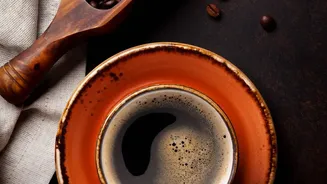
holds a significant market share, its dominance is being challenged. Younger, urban populations, particularly Millennials and Gen Z, are no longer satisfied with just a quick fix. This demographic is driving a remarkable cultural shift, moving away from convenience and towards a more sophisticated and intentional coffee experience. This change is not just about taste, but about a wider cultural movement that values authenticity, quality, and experience over mass production.
What is Single-Origin Coffee, Anyway?
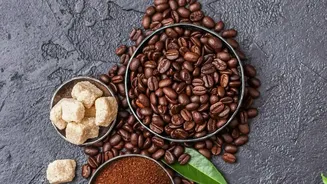
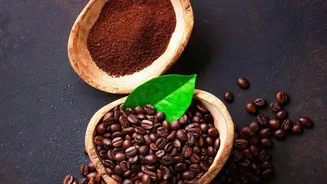
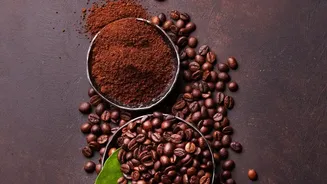
The term “single-origin” is at the heart of this new wave. Unlike blends, which combine beans from various locations to create a consistent flavour profile, single-origin coffee comes from one specific place. This could be a single farm, a specific estate, or a small, defined region. The magic of single-origin lies in its ability to express 'terroir'—the unique character of its environment, including the soil, climate, and altitude. This means a coffee from a high-altitude estate in Chikmagalur, Karnataka, will have a distinct flavour profile—perhaps with chocolatey notes—that's completely different from a fruity, floral bean grown in the Araku Valley. It’s a story in a cup, offering a direct connection to the land and the growers who cultivated it.
A Generational Shift in Taste and Values
So, why are young Indians so drawn to this? The reasons are multifaceted. Increased global exposure and rising disposable incomes have created a demand for premium experiences. The café has become a central social hub for urban youth, a 'third place' between home and work for socializing, working, or relaxing. Furthermore, specialty coffee aligns perfectly with the values of Gen Z and millennials. It’s about conscious consumption—knowing where your food comes from and supporting local producers. The aesthetic appeal also plays a huge role; from minimalist café interiors to intricate latte art, coffee has become prime content for social media, turning a daily ritual into a lifestyle statement.
From Bean to Cup: India’s Coffee Heartland
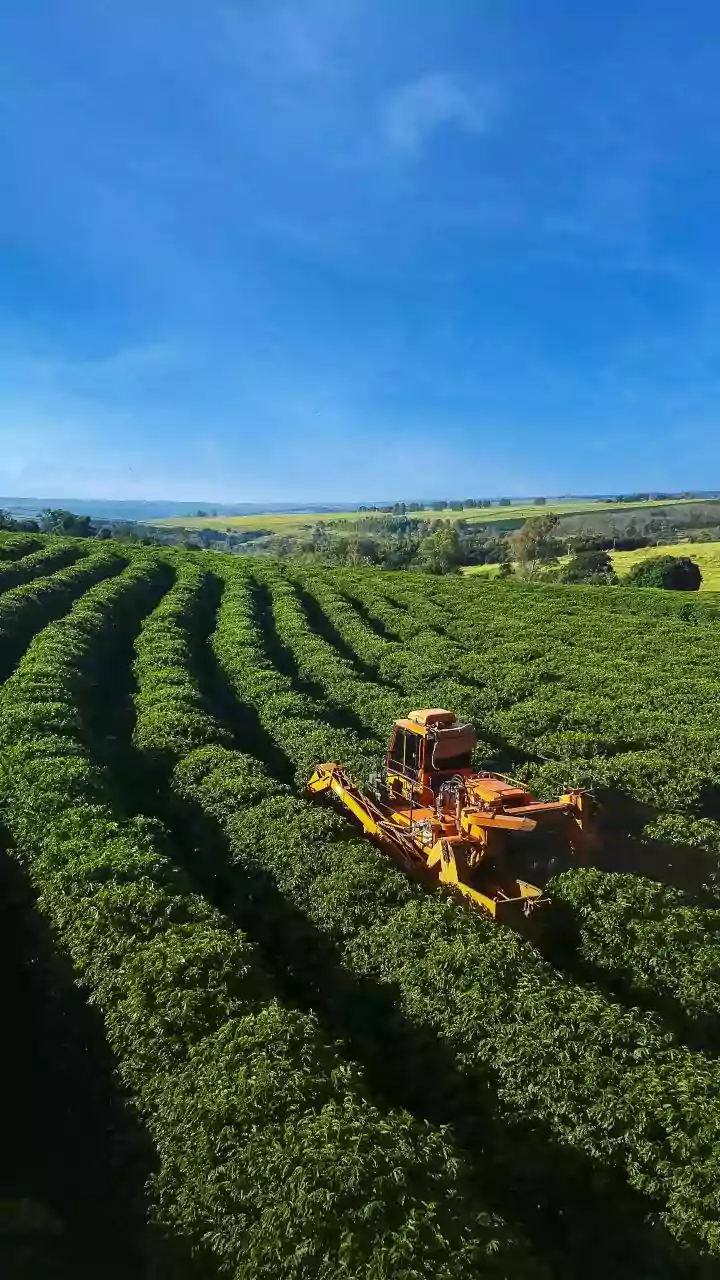
This movement is shining a spotlight on India's own rich coffee-growing heritage, which began centuries ago. For years, India's highest-quality beans were reserved for export. Now, a growing number of roasters are sourcing directly from celebrated Indian estates and making them available to domestic consumers. Regions like Chikmagalur, Coorg, and Baba Budangiri in Karnataka are epicenters of this boom, producing world-class Arabica beans. Estates such as Ratnagiri, Harley Estate, and Baarbara Estate are gaining recognition for their unique and complex flavour profiles, from fruity and floral to nutty and chocolatey. This has created a hyperlocal appreciation for Indian-grown beans, with consumers showing pride in their domestic coffee heritage.
The Rise of the Home Barista
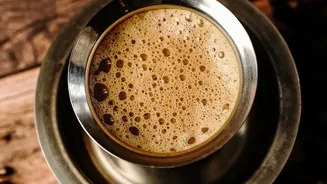
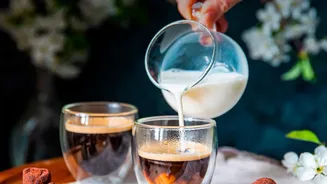
The trend isn't just confined to cafés. A significant do-it-yourself movement is emerging, with young coffee enthusiasts investing in brewing equipment to recreate café-quality experiences at home. This has led to a surge in sales of manual brewing gear like pour-over drippers, Aeropresses, and French presses. Online tutorials on brewing techniques garner millions of views, and subscription services that deliver freshly roasted beans to your doorstep are growing in popularity. This desire to experiment with different beans, roasts, and brewing methods reflects a deeper engagement with coffee, transforming it from a simple beverage into an engaging and flavourful hobby.