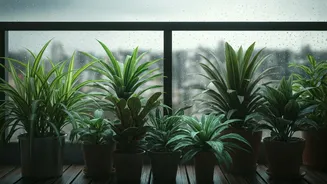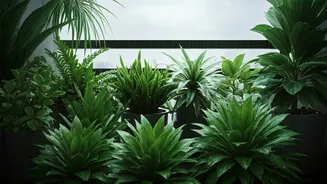




First, Prep Your Balcony
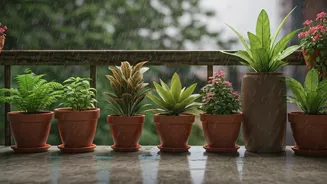
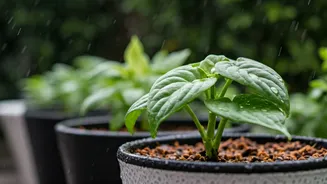
Before you rush to the nursery, a little preparation can make all the difference. The biggest challenge during the monsoon isn't a lack of water, but too much of it. Ensure all your pots have functional drainage holes at the bottom to prevent waterlogging,
which can lead to root rot. If your pots are on trays, remember to empty them regularly. It’s also a great time to switch to a lighter, well-draining soil mix. A combination of regular garden soil, cocopeat, and compost works wonders. This allows roots to breathe even when the weather is extremely humid.
1. Balsam (Impatiens balsamina)
Often called the 'monsoon flower', Balsam is a quintessential rainy season plant. These annuals are incredibly easy to grow from seed directly in your pots. They sprout quickly once the rains begin and reward you with a continuous bloom of colourful flowers in shades of pink, red, purple, and white. Balsam loves the humid weather but despises 'wet feet', so good drainage is non-negotiable. Place them where they can receive a few hours of gentle morning sunlight. Their delicate, almost translucent stems and vibrant flowers are perfect for adding a pop of colour to a gloomy day.
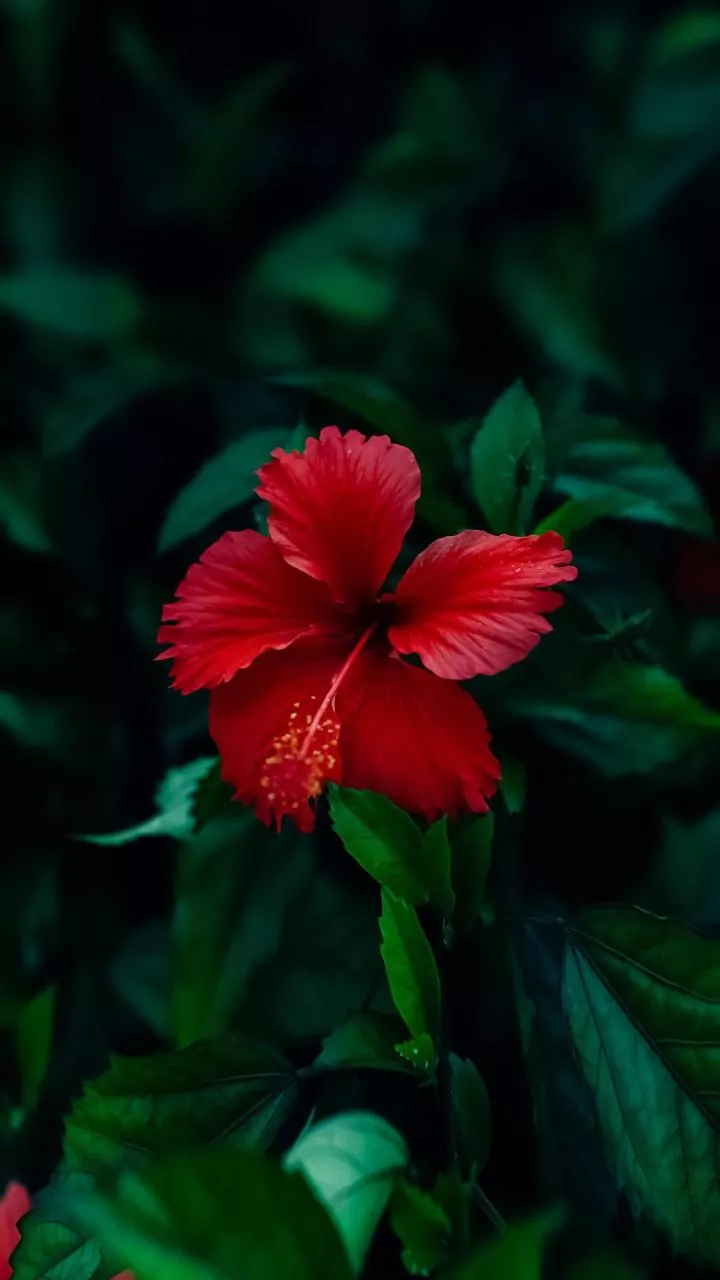
2. Hibiscus (Gudhal)
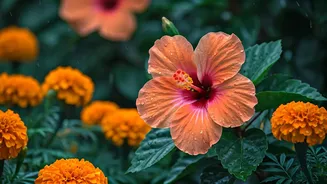
This tropical favourite truly comes into its own during the monsoon. The increased humidity encourages Hibiscus plants to produce larger, more frequent, and more vibrant blooms. Whether you prefer the classic red or exotic hybrids in orange, yellow, or pink, this plant is a showstopper. It loves sunlight, so an open balcony is ideal. While it enjoys the rain, be mindful of pests like mealybugs that can thrive in the damp conditions. A simple spray of neem oil solution once every couple of weeks can help keep them at bay.
3. Spider Plant (Chlorophytum comosum)
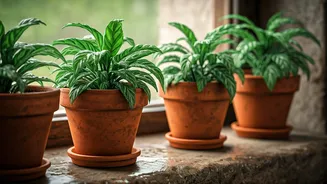
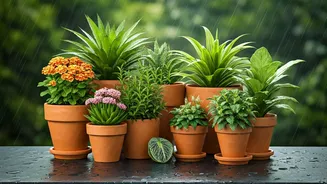
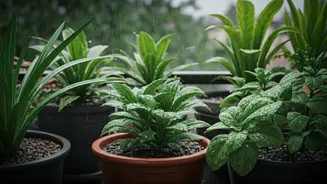
If your balcony is covered or receives less direct sunlight, the Spider Plant is your best friend. This hardy plant is famous for being almost impossible to kill. It thrives in the high humidity of the monsoon and loves bright, indirect light. Its arching leaves with white stripes add a touch of elegance and texture. As a bonus, Spider Plants are excellent air purifiers. They produce little 'spiderettes' or plantlets that can be easily repotted to create new plants, making it a gift that keeps on giving.
4. Creeping Fig (Ficus pumila)
Want to create a lush green wall or cover an unsightly railing? The Creeping Fig is a fantastic choice. This vigorous climber loves moisture and will grow rapidly during the monsoon, creating a dense mat of small, heart-shaped leaves. It attaches itself to surfaces with small aerial roots. Just provide it with a wall, trellis, or railing to climb on, and it will do the rest. It’s a low-maintenance way to add a vertical green element to your balcony, making the space feel like a private jungle retreat.
5. Marigold (Genda)
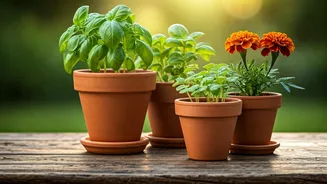
Bright, cheerful, and incredibly resilient, Marigolds are a fantastic addition to any monsoon garden. Their sunny orange and yellow flowers offer a beautiful contrast to the grey skies. They are easy to grow from seeds and thrive in the moist conditions. More importantly, Marigolds are known for their pest-repelling properties. Their strong scent deters common garden pests like nematodes and mosquitoes, making them a great companion plant to have around your more delicate flowers. They require full sun to bloom profusely, so place them in the sunniest spot on your balcony.
A Few Monsoon Care Reminders
Gardening in the monsoon is more about management than effort. First, don't overwater. Check the soil with your finger; if it feels damp, let the rain do its job. Second, ensure good air circulation between your plants to prevent fungal diseases. If you see any white powdery mildew on leaves, prune the affected parts immediately. Finally, this is a great time for gentle fertilisation. The moist soil absorbs nutrients well. A handful of vermicompost or a diluted liquid fertiliser every three weeks will keep your plants healthy and blooming.