



Master Your Masalas
Moisture is the biggest enemy of your spice collection. During humid weather, ground spices like turmeric, red chilli, and coriander powder can form hard lumps, losing their aroma and flavour. The most common mistake is storing the masala dabba next to the stove
for convenience. The constant exposure to heat and steam accelerates spoilage. To combat this, store your main supply of spices in a cool, dark cabinet away from the stove and sink. For daily use, a small steel masala dabba is perfect. Refill it weekly from your larger, well-sealed containers. Always use a completely dry spoon to scoop out spices, as even a drop of moisture can ruin a batch. If you buy whole spices, consider lightly roasting them before storage to remove any excess moisture, which significantly extends their shelf life.
Guard Your Grains and Flours
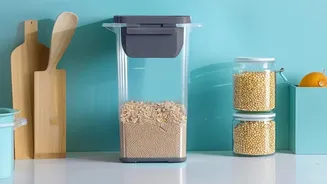
Staples like rice, atta (wheat flour), and dals (lentils) are highly susceptible to moisture and pests during the monsoon. Never store them in the paper or plastic bags they came in. The single most important step is to transfer them to clean, dry, and airtight containers immediately after purchase. Glass, stainless steel, or high-quality food-grade plastic jars with tight seals are your best bet. Before storing, you can sun-dry grains for a few hours to eliminate any existing moisture and insect eggs. For added protection, place a few dried bay leaves or neem leaves in your rice and dal containers; these act as natural insect repellents. For flours, which can go rancid quickly in heat, buying smaller quantities more frequently is a wise strategy. Storing them in a cool part of the pantry is crucial.
Keep Sugar and Salt from Clumping
There’s nothing more frustrating than trying to scoop sugar or salt that has hardened into a solid block. Humidity is the direct cause. The key, once again, is airtight containers. Ensure the jar is completely dry before you fill it. For salt, an age-old trick is to add a few uncooked grains of rice to the shaker or jar. The rice absorbs excess moisture, keeping the salt free-flowing. For sugar, make sure the container is sealed tightly immediately after every use. Avoid storing these items near the sink or any area prone to dampness. Some people also find success with food-safe silica gel packets placed inside the containers, which are excellent at absorbing moisture.
Preserve Fresh Produce
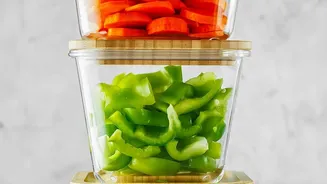
Vegetables and fruits spoil much faster when it's humid. For leafy greens, the best approach is to wash and then dry them thoroughly before storage. A salad spinner is excellent for this. Once dry, wrap them in paper towels and store them in an airtight container in the refrigerator to prevent sliminess. Root vegetables like onions, potatoes, and garlic should be stored in a cool, dark, and well-ventilated place, but not in the fridge. Keep them in mesh or cloth bags to allow air circulation. Avoid washing produce right after buying it; instead, wash it just before you plan to cook. Excess water on the surface encourages mould and bacterial growth, especially during the monsoon.
Protect Snacks and Dry Goods
Biscuits, chips, namkeen, and other dry snacks are the first casualties of humid weather, quickly losing their crunch. The only way to protect them is to move them out of their original packets as soon as they are opened. Transfer them to airtight jars immediately. This simple habit makes a world of difference in keeping them crisp and fresh. The same rule applies to items like bread, which is prone to developing mould quickly in damp conditions. Store it in a cool, dry place and consume it quickly. For items like poha (flattened rice) or murmura (puffed rice), a large, sealed container is essential to maintain their texture.