



The Myth's Green Origins
The popular belief that houseplants are nature's air purifiers can be traced back to a landmark 1989 NASA study. In a search for ways to clean the air in sealed environments like space stations, researchers placed common houseplants in small, sealed plexiglass
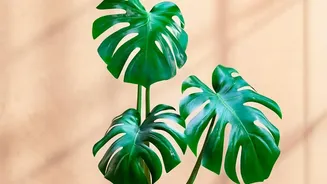
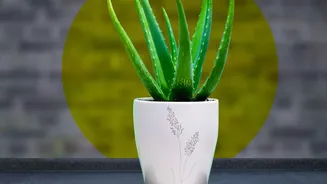
chambers and injected volatile organic compounds (VOCs) like benzene and formaldehyde. The results were promising: the plants, along with microbes in the soil, were effective at removing a significant percentage of these pollutants from the sealed chamber. This exciting finding was published and quickly grew into the widespread idea that a few potted plants could detoxify our homes and offices, leading to lists of the 'best' air-purifying plants for every room.
A Reality Check in the Real World
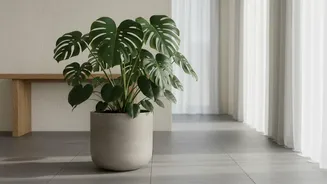
The problem, as subsequent research has highlighted, is that our homes are not sealed space stations. A comprehensive review of decades of studies by researchers at Drexel University concluded that the air-cleaning effects of plants in a normal room are practically negligible. The main reason is ventilation. In a typical home or office, the air is constantly being replaced through windows, doors, and HVAC systems. This process, known as the air exchange rate, dilutes pollutants far faster than plants can absorb them. To match the air-cleaning power of a building's standard ventilation system, you would need a staggering number of plants—estimates range from 10 to 1,000 plants per square metre of floor space. That’s not a few pots on the windowsill; it’s a dense indoor jungle.
So, What Good Are Houseplants?
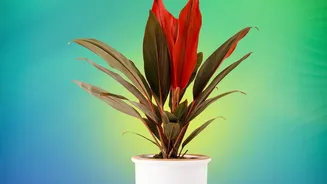
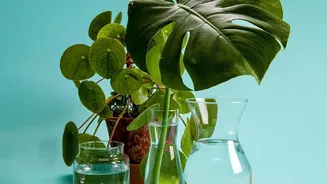
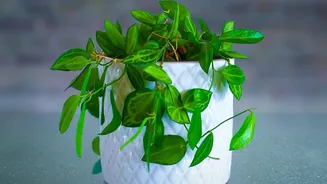
This doesn't mean you should give up on your green companions. While they may not be a substitute for an air purifier, houseplants offer a host of other scientifically-backed benefits. The concept of 'biophilia' suggests that humans have an innate tendency to seek connections with nature, and indoor plants are an easy way to satisfy that. Studies have shown that interacting with indoor plants can reduce psychological and physiological stress. They can lower blood pressure, improve concentration, and boost your mood. They add beauty and life to a space, making it a more pleasant place to be. And yes, they do remove some pollutants and produce oxygen—just not at a scale that will dramatically alter your indoor air quality on its own.
The Real Keys to Cleaner Indoor Air
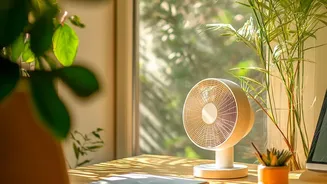
If you're serious about improving the air quality in your home, it’s best to focus on methods that have a much larger and more immediate impact. The most effective strategy is a three-pronged approach. First, prioritize source control: reduce the number of pollutants you bring into your home in the first place by choosing low-VOC paints, furniture, and cleaning products. Second, focus on ventilation. Simply opening your windows for a few minutes each day can do wonders to flush out stale, polluted indoor air and replace it with fresh air. Finally, consider mechanical filtration. Using a high-quality air purifier with a HEPA (high-efficiency particulate air) filter is designed to capture fine particles, dust, pollen, and other airborne contaminants far more effectively than any number of houseplants could ever hope to achieve.