







1. Inspect and Fix Electricals
Water and electricity are a deadly combination. Before the first downpour, get a qualified electrician to inspect your home’s wiring. Check for any exposed wires, faulty switches, or unsecured connections, especially on exterior walls, balconies, or near
windows. High humidity can cause short circuits, and water seepage can lead to electrocution. Ensure your home has a functioning Earth Leakage Circuit Breaker (ELCB) or Residual Current Circuit Breaker (RCCB), which can cut off power automatically in case of a leak, preventing a major accident. Unplug appliances during heavy rain and thunderstorms to protect them from power surges.
2. Waterproof Your Home Thoroughly
A tiny crack can lead to a major headache. Inspect your roof, ceilings, and walls for any cracks or signs of peeling paint, which often indicate water seepage. Get them filled and apply a fresh coat of waterproof paint or sealant. Pay special attention to balconies and terraces, ensuring the drainage pipes are unclogged and sloped correctly to prevent water accumulation. Persistent dampness not only damages your home’s structure but also promotes the growth of mould and mildew, which can trigger allergies and respiratory issues.
3. Assemble an Emergency Kit
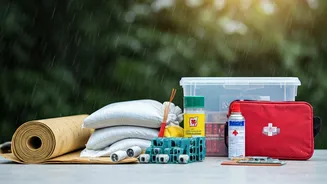
Waterlogging and power cuts can leave you stranded. An emergency kit is non-negotiable. It should contain a powerful torch with extra batteries, a fully charged power bank for your phone, a first-aid box with antiseptic, bandages, and essential medicines, and some dry, non-perishable food items like biscuits, nuts, and energy bars. Keep a supply of clean drinking water stored in a safe place. Having all these items in one easily accessible bag can make a huge difference during an unexpected crisis.
4. Guard Against Mosquito-Borne Diseases
The monsoon is peak breeding season for mosquitoes that transmit diseases like dengue, malaria, and chikungunya. The most crucial step is to prevent water stagnation. Don't let water collect in flower pots, old tyres, air cooler trays, or any open containers around your home. Clean these areas at least once a week. Use mosquito nets, repellents, and ensure your doors and windows have mesh screens to keep insects out. Wearing long-sleeved clothing, especially during dawn and dusk, can also reduce your risk of bites.
5. Service Your Vehicle
Driving in the rain is challenging enough without a faulty vehicle. Before the monsoon sets in, get your car or two-wheeler serviced. Pay special attention to the tyres; they should have adequate tread depth for a good grip on slippery roads. Check your brakes, headlights, and particularly your windshield wipers—replace them if they are worn out. A clear view is critical for safe driving. Also, keep your fuel tank relatively full, as you may get stuck in long traffic jams caused by waterlogging.
6. Ensure Safe Drinking Water and Food
Water-borne diseases like cholera, typhoid, and jaundice are rampant during the monsoon due to contamination of water sources. Always boil or filter your drinking water, even if it comes from a municipal supply. Be cautious about eating street food, especially items that are uncooked or exposed to the open air. Raw vegetables and pre-cut fruits can carry harmful germs. Stick to freshly cooked, hot meals to minimise the risk of stomach infections.
7. Arrange for Power Backup
Frequent power cuts are a hallmark of the Indian monsoon. A reliable power backup system, like an inverter, is a lifesaver. Ensure it's serviced and the battery is in good condition before the season starts. This will not only keep your lights and fans running but also ensure your router works, keeping you connected for work or emergency updates. For smaller needs, portable battery-powered lights and fans can also be very useful.
8. Protect Important Documents and Electronics
Water damage can destroy your most valuable possessions. Keep important documents like property papers, passports, and academic certificates in waterproof bags or folders. Store them in a high, dry place. The same goes for your electronics. High humidity can damage sensitive circuits. Use zip-lock bags or waterproof sleeves for laptops and tablets, especially when commuting. Investing in silica gel packets to keep inside drawers and cupboards can also help absorb excess moisture.
9. Unclog Drains and Gutters
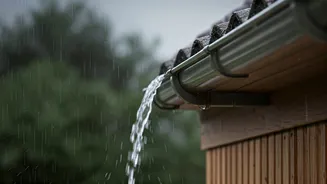
This is one of the most overlooked but critical tasks. Before the rains, thoroughly clean all the drains in and around your house, including rooftop gutters and drainage pipes. Leaves, plastic, and other debris can cause blockages, leading to waterlogging on your terrace or balcony, which can eventually seep into your home. A clear drainage system ensures that rainwater flows away quickly and efficiently, preventing flooding in your immediate vicinity.
10. Keep Pest Control on Standby
As water levels rise, pests like rats, cockroaches, and termites seek shelter in dry homes. Take preventive measures by sealing any cracks or holes in your walls and floors. A professional pest control treatment before the monsoon can create a protective barrier. Keep your kitchen clean, store food in airtight containers, and dispose of garbage regularly to avoid attracting unwanted guests who can spread diseases and cause damage.