




A New Generation of Ocean Exploration
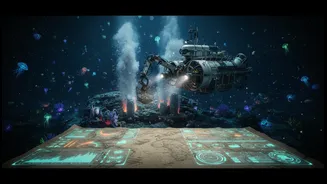
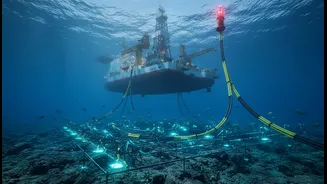
Modern science is no longer just skimming the surface. Specialised vessels, known as scientific ocean drilling ships, act as floating laboratories capable of plumbing the planet's history. Ships like the JOIDES Resolution can drill into the seafloor in water
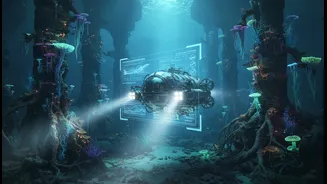
several kilometres deep, extracting core samples of sediment and rock that serve as a timeline of Earth’s past climate. These samples provide invaluable information about past ocean temperatures, ice sheet changes, and even the existence of microbial life deep beneath the seabed. Complementing this deep dive into history are sophisticated sea-floor sensors. These stationary and mobile instruments create a real-time network, measuring crucial parameters like temperature, pressure, salinity, and oxygen levels. This network of sensors helps scientists monitor the immediate health of marine ecosystems and track the rapid changes brought on by climate change.
Tapping into a Global Nerve System
One of the most innovative developments in ocean science involves repurposing the very infrastructure that powers our digital world: subsea internet cables. Over 1.4 million kilometres of fibre-optic cables crisscross the ocean floor, forming the backbone of global communication. An initiative known as SMART (Science Monitoring And Reliable Telecommunications) aims to embed scientific sensors into new and existing cables. These sensors can measure seismic activity, pressure, and temperature directly from the ocean floor. By piggybacking on the power and data connectivity of the telecom network, this creates a cost-effective, planet-spanning observatory. This can provide unprecedented real-time data for tsunami and earthquake early warnings, while also monitoring deep-ocean currents and warming, which are vital indicators of climate change.
The Anchor of Historical Data
New, high-frequency data is revolutionary, but without context, it's like a single frame from a feature film. To understand the full story, scientists must connect it to long-term records. The ocean has absorbed over 90% of the excess heat from global warming, making its long-term health a critical barometer for the planet. Historical data, painstakingly recovered from old ships' logs, early scientific expeditions, and decades-long monitoring programmes, provides the baseline against which modern changes are measured. Programmes like the global network of Argo floats, which have been measuring temperature and salinity for years, have already transformed our understanding of ocean heat content. These long-term datasets are essential for validating climate models and distinguishing short-term weather variability from long-term climate trends.
The Power of Integrated Data
The true breakthrough lies in combining these disparate sources. Imagine a scenario where a SMART cable sensor detects an unusual spike in seafloor temperature. This real-time alert can be cross-referenced with satellite data and information from nearby autonomous sensor floats. Scientists could then direct a research vessel to the site for a closer look, perhaps even taking sediment cores to see if similar events have occurred in the past. This integration transforms our approach from reactive to proactive. Instead of just documenting change, we can start to understand the complex processes driving it. Projects are already underway to create 'digital twins' of the ocean, massive virtual models fed by continuous real-time and historical data to simulate and predict oceanic behaviour.
From Climate Insights to Hazard Warnings
The benefits of this connected approach are immense and directly impact communities in India and worldwide. Integrating these data streams will lead to more accurate climate models, helping to predict changes in monsoon patterns and sea-level rise that threaten coastal cities. The real-time seismic data from SMART cables could dramatically improve tsunami early warning systems, potentially giving coastal areas critical extra time to prepare. By building a comprehensive, multi-layered picture of the ocean, we can better manage marine resources, protect biodiversity, and create more resilient infrastructure. Understanding the ocean is no longer just an academic pursuit; it is a vital tool for navigating the challenges of a changing planet.