







From Whirlwind Tours to Mindful Wandering
For years, a successful trip was often measured by the number of stamps in a passport or the quantity of landmarks ticked off a list. This 'checklist' approach to travel created a culture of rushing from one tourist hotspot to another, often resulting
in exhaustion. [3] But a significant shift is underway, especially among Gen Z and Millennial travellers. [11] They are increasingly rejecting the frantic pace in favour of 'slow travel'—an approach that prioritises depth over distance. [10] Instead of a stressful blur of airports and attractions, this new mindset encourages immersing oneself in a single place, connecting with its local culture, and actually finding time to rest. [7, 25] The focus is moving from 'seeing it all' to 'savouring one thing'. [8]
The Great Log-Off
A key driver behind this trend is the pervasive sense of burnout. [24] Many young professionals report feeling exhausted by the hustle of daily life and are using their holidays not just for a change of scenery, but for genuine mental and physical recovery. [19, 21] Travel is increasingly seen as a form of self-care, where mental relaxation is the primary goal. [18] This has led to the rise of 'deceleration travel', a deliberate slowing down to clear the mind. [18] The pressure to perform, both professionally and on social media, has made the idea of a completely unstructured holiday deeply appealing. [21] A trip becomes a true escape only when it doesn't feel like another job, complete with its own set of deliverables and photo opportunities.
What Slow Travel Actually Looks Like
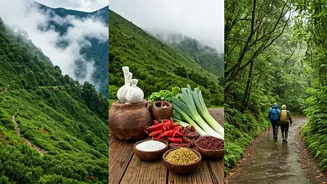
Slow travel is more than just a slower pace; it's a conscious decision to connect more deeply with a destination. [22] This can take many forms. It might mean renting an apartment in a single town for a few weeks instead of hotel-hopping across a country. [12] It involves shopping at local markets, eating at family-owned restaurants, and learning a new skill like a local craft or cooking style. [2, 25] Travellers are choosing to stay on or near farms, hike in nature, and engage with community life. [12] In India, this translates to swapping the party beaches of Goa for the susegad of a quiet village like Aldona [8], or skipping the multi-city tour for a deep dive into the heritage of Chettinad, Tamil Nadu [6], or a monastic getaway in Spiti Valley. [8] The journey itself, whether by train or road, becomes part of the experience rather than just a means to an end. [5]
Budget-Friendly and Experience-Rich
This relaxed approach often comes with a significant financial benefit. [12] By staying in one place, travellers can take advantage of weekly or monthly discounts on accommodation. Cooking meals with fresh produce from a local market is almost always cheaper than eating out for every meal. [12] This model allows travel budgets to stretch further, enabling longer and more affordable trips. Crucially, spending money at local guesthouses, independent shops, and neighbourhood cafes ensures that tourism revenue directly supports the community, rather than large international chains. [2, 22] Studies have shown that slow travellers can spend significantly more in local economies, helping to preserve the culture and environment they've come to enjoy. [27]
Finding Your Quiet Corner
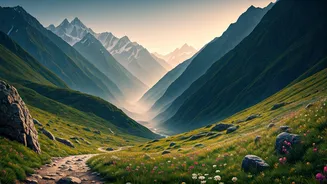
The desire for slower, more authentic experiences is reshaping travel preferences. According to one 2026 report, a vast majority of young travellers now prefer rural areas or small towns over big cities. [18] In India, destinations that offer a peaceful retreat are gaining popularity. Places like the Tirthan Valley in Himachal Pradesh offer a gentle Himalayan escape with quiet homestays. [15] Gavi in Kerala provides a forest retreat deep within the Western Ghats, perfect for nature walks and disconnecting from noise. [15] Even popular states are being explored differently; instead of rushing through Rajasthan's main cities, travellers are finding desert calm in quieter spots like Khimsar. [15] The goal is no longer to be in the most crowded place, but to find a personal, restorative, and refreshingly human experience. [18]