





Why B12 Matters and The Vegetarian Challenge
Vitamin B12, or cobalamin, is a crucial nutrient essential for creating red blood cells, producing DNA, and maintaining a healthy nervous system. Unlike other vitamins, B12 is produced by microorganisms and is found naturally almost exclusively in animal
products like meat, fish, eggs, and dairy. This poses a significant challenge for vegetarians and vegans, placing them at a higher risk of deficiency. Studies indicate a high prevalence of B12 deficiency in India, partly due to widespread vegetarianism. Since the body can store B12 for years, symptoms may develop gradually, making early awareness and proactive management vital.
Recognising the Signs of Deficiency
A B12 deficiency can manifest in subtle yet serious ways. Early symptoms are often mistaken for general fatigue or the stress of a busy lifestyle. Common signs include constant tiredness, weakness, pale skin, shortness of breath, and a tingling or numb sensation in the hands and feet. As the deficiency progresses, it can lead to more severe neurological issues, such as memory problems, confusion, difficulty with balance and coordination, and even vision disturbances. If left untreated, these neurological effects can become irreversible. Mood changes, including depression and anxiety, have also been linked to low B12 levels.
Harnessing Dairy and Eggs
For lacto-ovo vegetarians, dairy products and eggs are the most reliable natural sources of Vitamin B12. Milk, yogurt (dahi), and cheese can significantly contribute to your daily intake. A single cup of milk can provide nearly half of the recommended daily amount of 2.4 micrograms for adults. Paneer is another excellent source, with a 100-gram serving providing about a third of the daily requirement. Yogurt is particularly beneficial, as it not only contains B12 but also offers probiotics for digestive health. Eggs, especially the yolk, are also a good source of B12.
The Power of Fortified Foods
Fortification has made it much easier for vegetarians to meet their B12 needs. Fortified foods are products that have had vitamins and minerals added to them. Many breakfast cereals, plant-based milks (like soy, almond, and oat milk), and some varieties of nutritional yeast are now enriched with Vitamin B12. Checking the nutrition label is key; look for 'cyanocobalamin', the active form of B12. A serving of fortified cereal can often provide a significant portion, sometimes up to 100%, of your daily B12 needs. Nutritional yeast, which has a cheesy flavour, can be sprinkled on dishes to boost both taste and B12 content.
When to Consider Supplementation
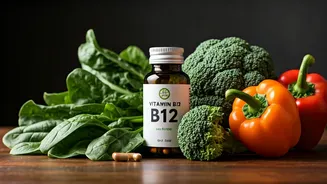
While a well-planned diet can go a long way, some individuals may still require supplements to maintain adequate B12 levels. This is especially true for vegans, who consume no animal products, and for older adults, whose ability to absorb B12 from food can decrease. People with digestive conditions like Crohn's disease or celiac disease may also have absorption issues. If you suspect you have a deficiency or fall into a high-risk group, consulting a doctor is essential. They can perform a blood test to check your levels and recommend an appropriate supplement dosage, which could be in the form of daily tablets, injections, or nasal sprays for severe deficiencies.