




The Glow That Goes Wrong
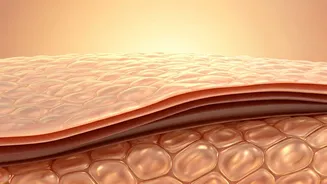
Exfoliation is designed to remove dead cells from the skin's surface, revealing the fresh, bright skin underneath. When done correctly, it can improve skin texture and help your other skincare products absorb more effectively. However, the skin's outermost
layer, known as the skin barrier or stratum corneum, is a delicate structure. Its job is to retain moisture and protect you from environmental irritants. When you exfoliate too often or too harshly, you don’t just remove dead cells; you strip away this protective lipid barrier. This damage can lead to a compromised barrier that can no longer hold onto water effectively, resulting in a cascade of skin problems.
Are You Overdoing It? The Telltale Signs
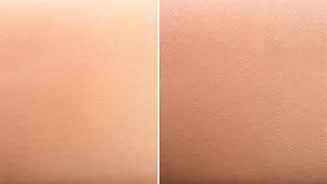
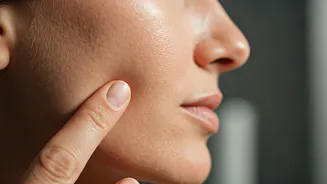
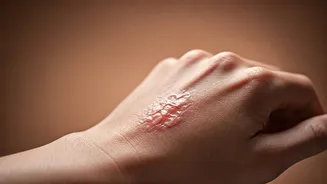
It can be tricky to realise you're over-exfoliating because some of the signs mimic the very issues you might be trying to fix. One of the first signs is redness and irritation that persists long after you’ve finished your routine. Your skin might also feel tight, dry, or dehydrated, no matter how much moisturiser you apply. Another key indicator is a new sensitivity to products that were previously fine; if your regular cleanser or serum suddenly starts to sting or burn, your skin barrier is likely compromised. Other signs include unusual shininess, a waxy or plastic-like appearance, increased breakouts, and skin that is peeling or flaking.
Finding Your Frequency
There is no universal rule for how often to exfoliate; it depends entirely on your skin type and the method you use. As a general guideline, most experts suggest exfoliating just one to two times per week. Oily or acne-prone skin may tolerate up to three times per week, often with chemical exfoliants like salicylic acid that can clear out pores. For normal or combination skin, once or twice a week is typically sufficient. Those with dry or sensitive skin should be the most cautious, starting with once a week or even once every other week, preferably using a gentle chemical exfoliant like lactic acid rather than a harsh physical scrub. The most important rule is to listen to your skin; if you see signs of irritation, reduce the frequency.
How to Heal a Damaged Skin Barrier
If you suspect you've over-exfoliated, the first and most crucial step is to stop all forms of exfoliation immediately—this includes scrubs, acids (AHAs, BHAs), and retinoids. Strip your routine back to the absolute basics: a gentle, non-foaming cleanser, a barrier-supporting moisturiser, and daily sunscreen. Look for moisturisers rich in ingredients like ceramides, hyaluronic acid, and fatty acids, which are the building blocks of your skin barrier and help to replenish what has been lost. Be patient, as it can take anywhere from a couple of weeks to a few months for your skin to fully recover, depending on the extent of the damage. Once your skin feels calm and comfortable again—with no stinging or tightness—you can slowly reintroduce a gentle exfoliant, starting with just once a week.