
Temples as Living Museums
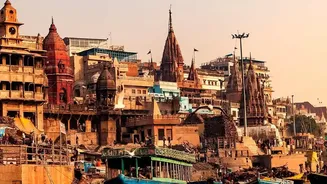
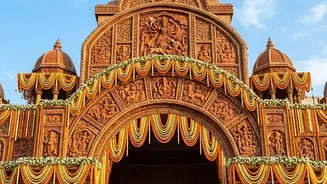
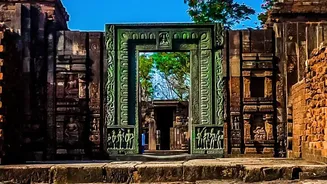
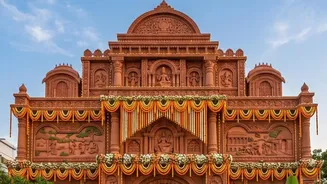
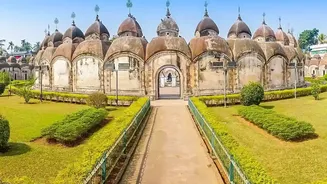
Any cultural tour of this region is anchored by its holy triangle of temples. The journey often begins in Bhubaneswar, the 'Temple City of India', with a visit to the 11th-century Lingaraj Temple, a magnificent testament to Kalinga architecture dedicated
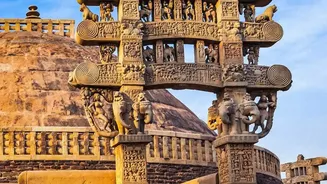
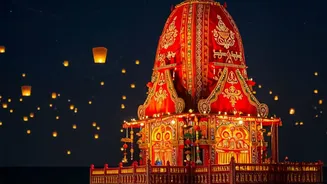
to Lord Shiva. From there, the path leads to Puri, home to the revered Jagannath Temple, one of Hinduism's most sacred Char Dham pilgrimage sites. This 12th-century complex is not just a place of worship but the spiritual epicentre that has nurtured many of the region's art forms. The tour is incomplete without witnessing the Konark Sun Temple, a 13th-century UNESCO World Heritage Site. Designed as a colossal stone chariot for the sun god, Surya, its intricate carvings are a masterclass in artistic and astronomical genius, with 24 wheels that function as sundials. These temples are not just ancient monuments; they are the backdrop and inspiration for the crafts you are about to discover.
Pattachitra: Stories on a Scroll
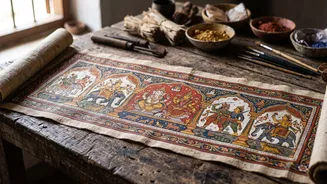
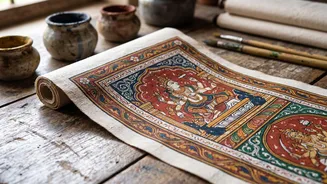
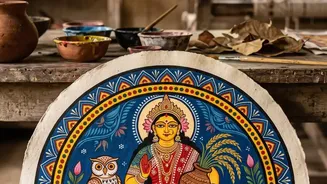
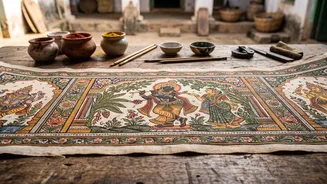
Pattachitra is the soul of Odishan craft, a storytelling tradition that brings mythology to life. The name itself comes from the Sanskrit words 'patta' (cloth) and 'chitra' (picture). This ancient art form, originating as early as the 5th century AD, is intrinsically linked to the worship of Lord Jagannath. Traditionally, during a ritual period when the temple idols are removed from public view, these intricate scroll paintings serve as substitutes for worship. The process is a testament to tradition. Artists, known as 'chitrakars', prepare their own canvas by coating cotton cloth with a paste of tamarind seeds and chalk powder. The colours are all natural, derived from minerals, ground seashells, and plant extracts. Themes are drawn from epics like the Ramayana and Mahabharata, and tales of Lord Krishna, with figures characterized by their bold outlines and expressive, elongated eyes.
A Village Where Art is Life
Just 14 kilometres from Puri lies Raghurajpur, India's first designated heritage crafts village. A visit here is the highlight of any craft tour, transforming the abstract idea of 'artisans' into a personal experience. As you walk through its two main streets, you’ll find that nearly every one of the 120 homes is an artist's studio and gallery, their outer walls adorned with colourful murals. Here, you can watch the 'chitrakars' at work, hunched over their canvases, their brushes—often made from fine squirrel hair—moving with disciplined precision. The air is filled with a sense of quiet creativity. Artisans are usually welcoming, ready to explain their techniques and the stories behind their paintings. It's a unique opportunity to purchase art directly from the person who created it, understanding the skill, patience, and devotion poured into every piece.
Generations of Dedication
The skills of Pattachitra are not taught in formal schools but passed down through generations. In Raghurajpur, it's common to see multiple generations of a family working together. This hereditary system has preserved the art's unique style and disciplined rules for centuries. Talking to the artisans reveals a deep pride in their heritage. They are not just painters; they are custodians of a sacred tradition. While they hold fast to traditional methods and mythological themes, many have also adapted to modern markets. You will find Pattachitra not only on large cloth scrolls but also on smaller items like bookmarks, wooden boxes, and tussar silk, making this ancient art accessible to a wider audience. This blend of preservation and adaptation ensures that the art form continues to thrive.
A Spectrum of Odishan Crafts
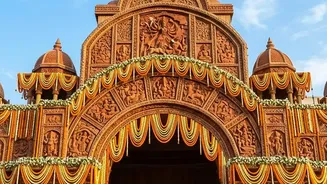
While Pattachitra is central, a five-day tour will expose you to a wider array of Odisha's rich craft traditions. Raghurajpur itself is a hub for more than just painting; artisans also practice palm leaf engraving ('Tala Pattachitra'), stone carving, wood carving, and creating papier-mâché masks used in folk theatre. On the road between Bhubaneswar and Puri, you'll likely pass through Pipili, a town famous for its vibrant appliqué work. Here, artisans stitch colourful fabric shapes into beautiful designs for umbrellas, canopies, and bags, a craft also historically linked to the Jagannath temple's rituals. Depending on your itinerary, you might also encounter the fine silver filigree ('Tarakasi') of Cuttack, terracotta pottery, or the unique lost-wax metal casting technique of Dhokra.
Crafting Your Five-Day Journey
A typical five-day tour seamlessly blends these spiritual and artistic elements. Days might begin with temple visits in Bhubaneswar or Puri, soaking in the history and spiritual atmosphere. Afternoons are often dedicated to craft exploration, whether it's the immersive experience of Raghurajpur or browsing the appliqué markets of Pipili. The route often follows the 'Golden Triangle' of Bhubaneswar, Puri, and Konark. Many itineraries also include a trip to Chilika Lake, Asia's largest brackish water lagoon, for a bit of nature and dolphin spotting, offering a peaceful counterpoint to the cultural density of the cities. This structure allows for a journey that is not just about seeing places, but about experiencing the deep-rooted connections between faith, history, and the skilled hands that continue to tell Odisha’s stories.