





More Than Just a Humid Day
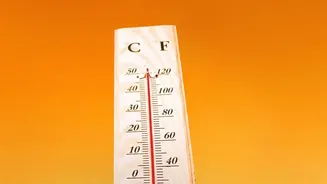
October heat occurs after the southwest monsoon withdraws, leaving behind clear skies and high humidity. With reduced cloud cover, the sun beats down relentlessly, while lingering moisture in the air traps the heat, making it difficult for the human body
to cool down through sweat. This combination results in a rapid rise in daytime temperatures, which can feel more intense than the peak of summer. Recent years have seen this phenomenon become more frequent and severe, with temperatures soaring significantly above normal. Experts point to changing wind patterns that suppress the cooling sea breeze, which would normally provide relief. This isn't just uncomfortable; it’s a public health challenge, leading to dehydration, heat exhaustion, and worsening respiratory conditions.
A City Built Like a Heat Trap
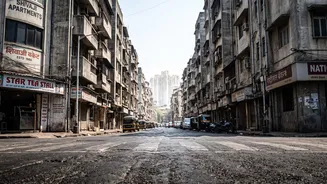
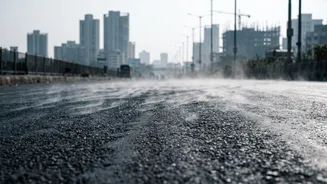
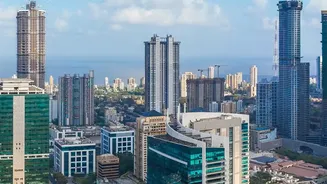
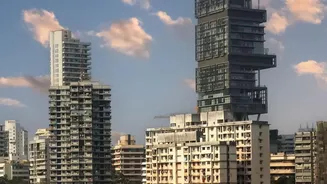
Mumbai's very design exacerbates the problem. Decades of rapid, dense urbanization have created a pronounced Urban Heat Island (UHI) effect. Concrete buildings, asphalt roads, and other artificial surfaces absorb and retain solar radiation, releasing it slowly at night and preventing the city from cooling down. Some densely populated parts of the city have been found to be over 5°C warmer than the surrounding areas, a temperature difference that is particularly noticeable after sunset. The relentless replacement of green cover—including open spaces, parks, and mangroves—with impermeable concrete has been a major contributor. Studies show Mumbai has lost a staggering percentage of its green cover and open spaces in recent decades, while built-up areas have expanded significantly. This loss of natural cooling systems like tree canopies and water bodies turns entire neighbourhoods into ovens.
The Limits of Current Blueprints
To its credit, Mumbai was one of the first cities in India to address this head-on with the Mumbai Climate Action Plan (MCAP), launched in 2022. This comprehensive roadmap, which sets a net-zero emissions target for 2050, includes strategies for urban greening, sustainable waste management, and building energy efficiency. The plan acknowledges extreme heat as a primary risk and outlines actions like creating heat shelters, deploying temperature sensors, and developing early warning systems. The MCAP even set a goal to increase the city's vegetation and permeable surface cover to 30-40% by 2030 to tackle heat-related risks. However, the sheer pace of climate change and the increasing frequency of extreme heat events are testing the adequacy of these measures.
A Call for a Cooler Approach
The intensifying October heat is a clear signal that existing protocols, while forward-thinking, need to be upgraded and implemented more aggressively. This realization is forcing a re-evaluation across planning circles. The discussion is shifting from merely managing heatwaves to fundamentally redesigning the urban fabric for passive cooling. Proposals now gaining serious traction include widespread adoption of 'cool roofs' using reflective paints that can reduce rooftop temperatures significantly. There is also a growing push for mandating green roofs, vertical gardens, and permeable pavements in all new construction to absorb less heat and better manage water. Experts are calling for a shift where green infrastructure—like tree-lined streets, micro-forests, and protected wetlands—is treated not as a cosmetic addition but as essential, life-saving infrastructure.
From Policy to Pavement
Implementing these changes in a city as dense and complex as Mumbai is a monumental challenge. Retrofitting old buildings with cool roofs or green spaces requires significant investment and policy incentives. Protecting the remaining green cover, such as the Aarey forest and coastal mangroves, often conflicts with massive, ongoing infrastructure projects. The Brihanmumbai Municipal Corporation (BMC) has recently begun the process of upgrading the MCAP, with a greater focus on department-specific actions, updated climate data, and clearer targets. This new phase aims to be more consultative, translating vulnerability assessments into measurable actions. The success of this re-evaluation will depend on sustained political will, robust funding, and active community participation to transform Mumbai from a heat trap into a climate-resilient metropolis.