





The Problem with Raw Protein
When you see “20 grams of protein” on a package of lentils or a plant-based burger, that figure represents the total or “raw” amount of protein contained in the food. It's a straightforward calculation based on laboratory analysis. However, your body
isn't a lab. It can't always access and absorb every single gram of protein it consumes. This is especially true for plant-based sources. The crucial concept here is bioavailability—the proportion of a nutrient that is digested, absorbed, and available for your body to use for functions like building muscle and repairing tissue. A simple raw protein count ignores this vital factor entirely.
Why Plant Protein Digestibility Varies
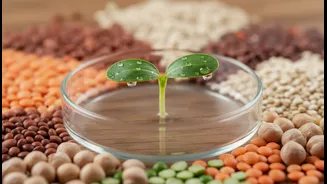
Plant proteins are structurally different from animal proteins. They are often encased within a fibrous cell matrix, which can make them harder for our digestive enzymes to break down. Additionally, many plant foods contain compounds sometimes called “anti-nutrients,” such as phytates and tannins. While these compounds can have health benefits of their own, they can also bind to proteins and slightly inhibit the absorption of essential amino acids (EAAs)—the building blocks of protein that our bodies can't produce themselves. This doesn't make plant foods inferior; it simply means we need a more sophisticated way to measure their true protein value.
A Smarter Way to Measure: PDCAAS and DIAAS
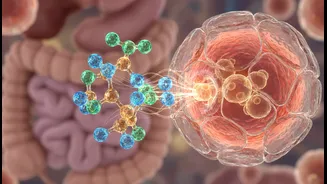
This is where protein digestibility scales come in. For years, the standard was the Protein Digestibility-Corrected Amino Acid Score (PDCAAS). This method adjusts a protein's amino acid profile based on its overall digestibility, providing a score from 0 to a maximum of 1.0. More recently, the scientific community has moved toward a more accurate method: the Digestible Indispensable Amino Acid Score (DIAAS). Unlike PDCAAS, which measures digestibility based on fecal matter, DIAAS measures the absorption of individual amino acids at the end of the small intestine—which is where absorption actually happens. It also isn't capped at 1.0, allowing for a better distinction between high-quality proteins.
What This Means For Your Plate
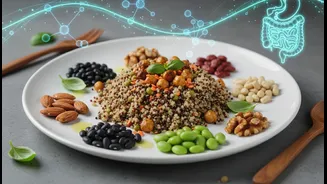
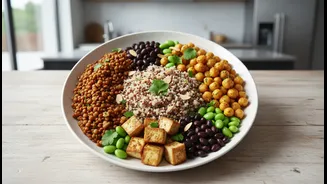
Understanding digestibility helps you make smarter choices. For example, soy protein isolate has a high DIAAS score, making it comparable to many animal proteins like whey and egg. Pea protein also scores well. Other plant sources like beans, lentils, and wheat have lower scores, but that doesn't mean you should avoid them. It highlights the importance of dietary variety. Combining different plant proteins—like the classic pairing of rice and beans—can ensure you get a complete profile of all nine essential amino acids in sufficient quantities. If you rely heavily on a single plant protein with a lower score, you might need to eat slightly more of it to get the same benefit as a food with a higher score.
Focus on Quality and Variety, Not Just Numbers
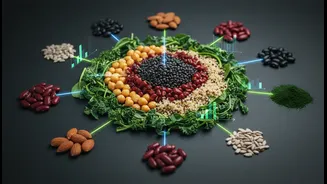
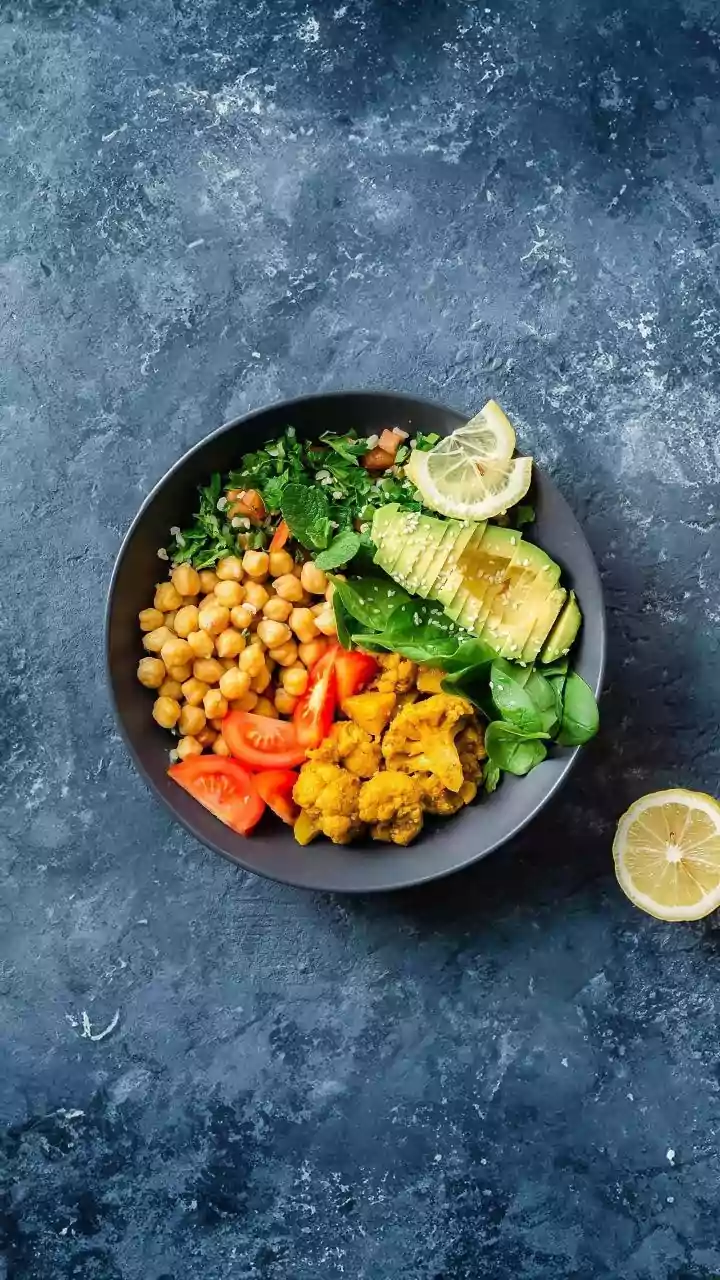
For most people, there’s no need to carry around a DIAAS calculator. The key takeaway from nutritionists is to shift your focus from simply hitting a raw protein target to consuming a variety of high-quality protein sources. If you follow a plant-based or plant-forward diet, incorporating a diverse range of legumes, nuts, seeds, whole grains, and soy products will help ensure your body gets all the amino acids it needs. These scales are most critical for nutrition professionals, food manufacturers creating fortified products, and individuals with very specific needs, like elite athletes or older adults at risk of muscle loss.