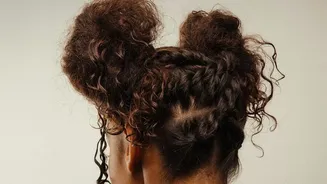

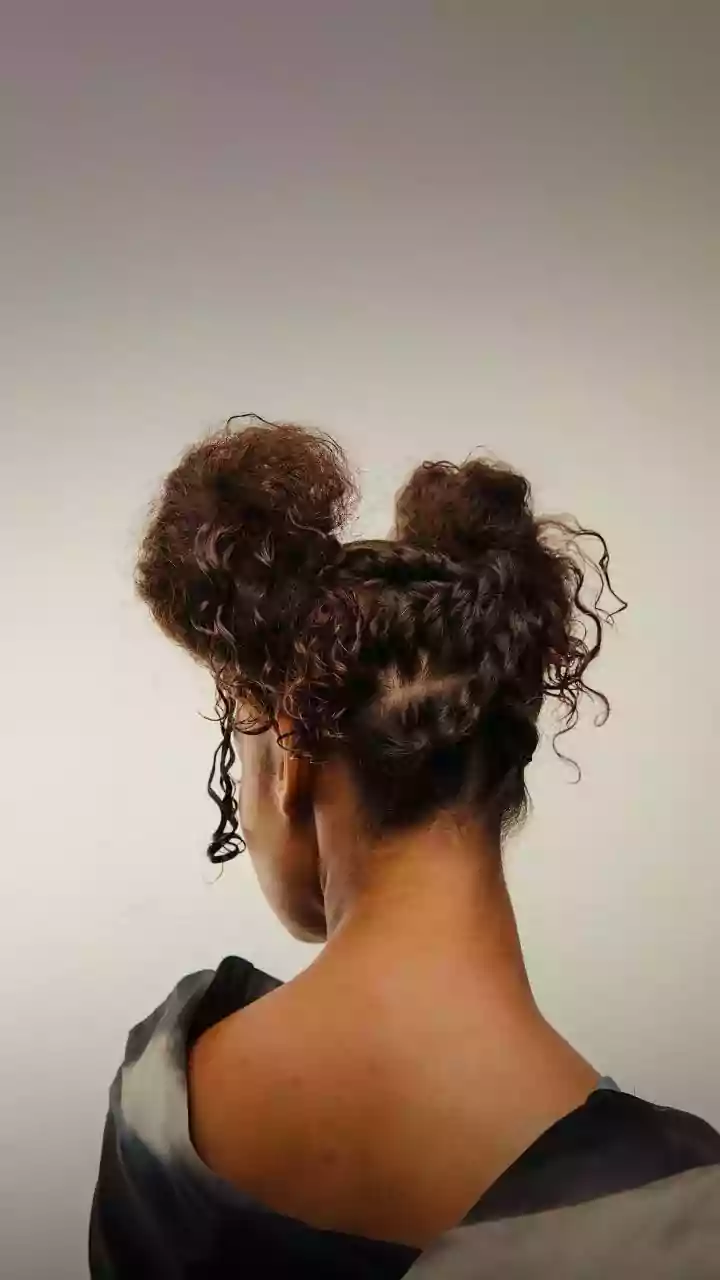






The elegant updo is a timeless look, but the throbbing scalp and headache that follow are not. Achieving a style that lasts all day without causing pain seems impossible, but it all comes down to the right technique and tools.
Start With the Right Foundation
A successful, pain-free updo
begins before the first pin is even placed. The texture of your hair is crucial for grip. Freshly washed hair is often too silky and slippery, causing styles to fall out and tempting you to pull them tighter. Instead, try styling on second-day hair. If you must start with clean hair, create some grit with a texturizing spray or a light dusting of dry shampoo at the roots. This will help strands cling to each other and to your styling tools, providing a secure hold without the need for excessive tension. For those with fine hair, this step is non-negotiable as it creates the friction needed for pins to anchor properly.
Choose Your Tools Wisely
Not all hair accessories are created equal. Traditional tight elastics can concentrate pressure on one area, leading to breakage and headaches. For a gentler hold, consider alternatives. U-shaped pins, often called French pins, and spiral spin pins are game-changers, especially for buns. They distribute the weight of the hair more evenly and secure styles by weaving through the hair rather than clamping it down. Claw clips are another excellent option, as they cradle the hair instead of compressing it. For those with very thick and heavy hair, longer, sturdier pins are essential to anchor the style to the base without bending or slipping. Using silk or satin scrunchies for ponytails also reduces friction and prevents snagging.
Master a Tension-Free Base
The way you gather your hair sets the stage for either comfort or pain. Instead of pulling all your hair into a single, tight ponytail, try sectioning. For a high ponytail, one popular hack involves creating a ponytail with the back half of your hair first, then bringing the front sections up and securing them into the base. This prevents pulling on the sensitive hairline. For thick hair, creating two ponytails, one above the other, helps distribute the weight. Another technique is to use a hair bungee—an elastic cord with hooks on each end—which secures the ponytail without cinching it tight. Low buns at the nape of the neck are often the most comfortable option for heavy hair, as the weight rests against your head rather than hanging from your crown.
Build the Style Loosely
A secure style does not have to be a tight one. The key is to create interlocking structures within the hair itself. When twisting your hair for a bun or French twist, don't overstist; a loose rope is all you need to create the shape. Let the pins do the work of tightening and securing. When inserting U_pins or bobby pins, ensure they catch hair from the bun as well as the base hair close to your scalp, creating a lock. A crisscross 'X' formation with bobby pins provides an even stronger anchor. For a fuller_looking bun without the weight, a technique called 'pancaking'—gently pulling on the outer loops of a braid or bun—can create the illusion of volume.
Listen to Your Scalp
Your body will tell you when a style is too tight. If you feel pinching, stinging, or a headache coming on, don't try to power through it. Take the style down and start over with less tension. It's also wise to vary your hairstyles from day to day. Wearing the exact same high ponytail every day puts repeated stress on the same follicles, which can lead to traction alopecia, a type of hair loss. By alternating between high styles, low styles, braids, and leaving your hair down, you give your scalp and hair a much-'needed break.' A comfortable updo is one you can wear all day without even thinking about it.