







The Illusion of Ambiance
A restaurant's success often hinges on the first impression it makes. Dim lighting, artfully distressed walls, comfortable seating, and a bustling, happy crowd all create an inviting atmosphere. Owners invest heavily in interior design to craft a narrative
of quality and care. This focus on the dining area can, however, mask serious issues behind the scenes. Recent surprise inspections in Bengaluru revealed that even luxury hotels and prominent clubs, lauded for their appearance, had significant hygiene lapses. One official noted that some establishments prioritise the look of their dining areas over the actual condition of their kitchens. This creates a dangerous illusion, leading diners to equate a beautiful space with a clean one, a belief that isn't always justified.
Behind the Swinging Doors: Common Kitchen Hazards
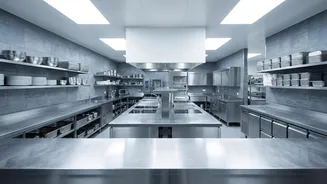
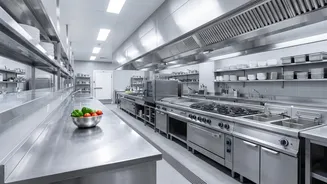
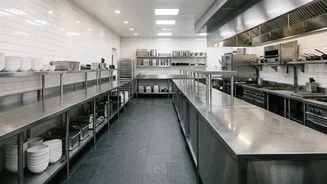
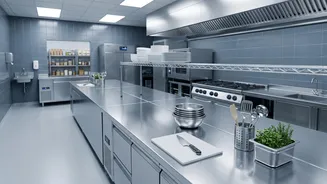
Out of sight should not mean out of mind. A restaurant kitchen is a complex environment where even small mistakes can lead to big problems. Recent food safety crackdowns across Bengaluru have uncovered a host of alarming issues, from cockroaches and blocked drains to the use of expired ingredients. Authorities have seized hundreds of kilograms of improperly stored or rotten meat and vegetables from various establishments. Key violations often involve cross-contamination, where bacteria from raw meat spreads to ready-to-eat food because of shared cutting boards or utensils. Another major risk is food being left in the 'temperature danger zone' (between 5°C and 60°C), where bacteria like Salmonella and E. coli can multiply rapidly. These are invisible threats that a diner would never suspect while enjoying their meal in a spotless dining room.
From Unclean Kitchens to Serious Illness
The consequences of poor kitchen hygiene can range from a mild case of stomach upset to severe foodborne illnesses requiring hospitalisation. Common pathogens like Salmonella, E. coli, and Norovirus thrive in unsanitary conditions. Symptoms often include nausea, vomiting, diarrhoea, and abdominal pain. Contaminated water used for cooking or washing ingredients is another significant source of illness, potentially carrying pathogens like Hepatitis A. Recent inspections in Bengaluru have repeatedly highlighted issues such as a lack of potable water for cleaning, improper waste disposal, and food handlers with poor personal hygiene, all of which elevate the risk of diners falling ill.
Your Diner's Toolkit: How to Spot the Red Flags
While you can't inspect the kitchen yourself, you can be a more observant diner. There are several clues in the public areas of a restaurant that can signal deeper problems. Start with the basics: if the exterior is unkempt, with overflowing bins or dirty windows, it suggests a general lack of care. Pay a visit to the restroom. If it's dirty, smelly, or lacks soap and proper drying facilities, it’s a major red flag; if employees can't wash their hands properly, they can't handle food safely. Look at the state of the menus, tables, and condiment bottles. Are they sticky or greasy? This points to a superficial cleaning routine. Also, observe the staff. While restaurant work is messy, employees should have clean uniforms and maintain good personal hygiene. Finally, trust your senses. Any unusual smells, like stale grease or sourness, could indicate spoiled food or poor sanitation.
Bengaluru's Push for Safer Dining
In response to growing concerns, authorities in Karnataka have intensified their efforts to enforce food safety standards. Recent, widespread inspections targeting everything from five-star hotels and popular clubs to street-side dhabas and e-commerce warehouses show a clear commitment to improving hygiene. The Food Safety and Standards Authority of India (FSSAI) has issued advisories reminding establishments of their legal obligations, which include everything from mandatory staff health check-ups and pest control to strict temperature controls for food storage. These regulations mandate clean premises, proper segregation of vegetarian and non-vegetarian items, and the use of potable water. While enforcement is a continuous challenge, this increased scrutiny is a positive step toward ensuring that the food on your plate is as safe as it is delicious.