





The Sweet Debate: A Primer
Sugar substitutes, or non-nutritive sweeteners, provide the sweet taste of sugar without the calories. In a world increasingly conscious of the health risks of excess sugar, from weight gain to Type 2 diabetes, these alternatives like aspartame, sucralose,
and stevia have become staples in many Indian households. They are found in thousands of products, offering a way to satisfy a sweet tooth while managing sugar intake. For years, they were considered largely inert, passing through the body without much interaction. However, recent science is challenging this view, focusing on their journey through our digestive system and their encounter with the trillions of microbes that live there.
Understanding the Gut Microbiome and Inflammation
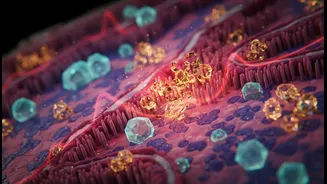
Think of your gut as a bustling city of trillions of microorganisms, mostly bacteria, known collectively as the gut microbiome. This community plays a vital role in everything from digestion and nutrient absorption to immune function. A healthy, diverse microbiome is like a well-run city, keeping things in balance. However, when this balance is disrupted—a state called dysbiosis—it can lead to problems. Harmful bacteria may begin to outnumber beneficial ones, potentially leading to a leaky gut barrier and triggering the body's immune response. This response is inflammation, which, when it becomes chronic, is linked to a host of health issues.
The Usual Suspects: Sucralose and Aspartame
Sucralose and aspartame are two of the most widely used artificial sweeteners. Research, particularly in animal studies, has suggested they can alter the gut microbiome. Some studies indicate that sucralose can reduce the population of beneficial bacteria like Bifidobacterium and Lactobacillus while promoting more pro-inflammatory bacteria. One 2023 study from Cedars-Sinai found that people consuming non-aspartame sweeteners had less bacterial diversity in their small intestine. Aspartame's role is also complex; since it is mostly broken down before reaching the large intestine where most gut bacteria live, its direct impact might be less pronounced. However, some studies suggest it can still alter the balance of gut bacteria and increase levels of propionate, a compound linked to metabolic changes.
What About 'Natural' Sweeteners?
Stevia and erythritol are often marketed as more 'natural' alternatives. Research on stevia has been mixed. Some human trials suggest it has a minimal impact on the overall composition of the gut microbiome. However, other laboratory studies have found it can interfere with how gut bacteria communicate and, when combined with other common substances like certain medications, may reduce the growth of beneficial bacteria. Erythritol, a sugar alcohol, has also come under scrutiny. While some research suggests it may have prebiotic potential by increasing the production of beneficial short-chain fatty acids like butyrate, other recent, high-profile studies have linked high blood levels of erythritol to an increased risk of blood clotting, heart attack, and stroke, raising significant safety concerns.
The Inflammation Connection
The link between sugar substitutes and inflammation is primarily indirect, mediated by the gut microbiome. When certain sweeteners alter the gut environment, they can diminish the bacteria that help maintain the gut lining and produce anti-inflammatory compounds. This can lead to increased intestinal permeability, sometimes called 'leaky gut,' allowing bacterial toxins like lipopolysaccharides (LPS) to enter the bloodstream. This event can trigger a low-grade, systemic inflammatory response from the immune system. Animal studies on sweeteners like sucralose have shown this can lead to increased inflammatory markers in the body. A newer sweetener, neotame, was shown in a 2024 lab study to cause gut cell death and encourage harmful bacteria to become toxic, which can lead to intestinal inflammation.