




Why Your Kirana Bill is Climbing
Food inflation has become a persistent concern for Indian households, with recent data showing a noticeable upward trend. According to a report from Union Bank of India, retail inflation is expected to rise, driven largely by increasing food prices. Vegetables
have been a primary driver, with items like onions seeing significant price jumps of around 34% in a single month. This is compounded by factors like an uneven monsoon, which has impacted crop sowing and reservoir levels, creating supply-side pressures. Economists predict food inflation could remain elevated, potentially crossing 7% in the near term, with staples like pulses, cereals, and edible oils also seeing price firmness due to a mix of weather risks and supply disruptions. This isn't a uniform spike across all items; while some vegetable prices have fallen, the overall cost of the food basket has increased, putting pressure on monthly budgets.
Become a Master of Price Comparison
The first line of defence against rising costs is knowing where to shop. Don't assume your usual supermarket or local vendor is the cheapest for everything. Prices can vary significantly between large supermarket chains, neighbourhood kirana stores, weekly haat markets, and online grocery apps. Reports suggest that local vegetable markets, or 'sabzi mandis', can be 30-60% cheaper than supermarkets, which have higher overheads. Take a few minutes to compare prices online before you shop. Several apps allow you to check rates across different platforms. For non-perishables, also look at wholesale suppliers in your area. This small time investment can lead to substantial savings over a month.
Plan Your Meals, Not Just Your Shopping
One of the most powerful tools against overspending is meal planning. Before you even think about writing a grocery list, decide what your family will eat for breakfast, lunch, and dinner for the upcoming week. This simple act prevents impulse buys, which are a major cause of inflated bills. When you have a plan, you create a shopping list based on exact needs, reducing the chance of buying perishables that end up wasted. Studies have shown that Indian households waste a significant amount of food annually, and meal planning can drastically cut this down. Base your meals around what's on sale and in season to maximize savings.
Embrace Seasonal and Local Produce
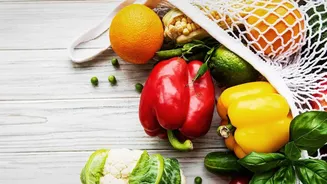
Exotic fruits and imported vegetables might look appealing, but they come at a premium. Shopping for seasonal and locally grown produce is not only cheaper but also ensures you're getting fresher and more nutritious food. For instance, the price of tomatoes can be four times higher when they are out of season. Visiting a local sabzi mandi is often your best bet for seasonal items, as the produce is typically harvested more recently and involves fewer middlemen compared to large retail chains. Also, avoid the convenience trap of pre-cut and packaged vegetables; you pay a higher price for a service you can easily do at home.
Buy in Bulk, but Be Smart About It
For items your household uses consistently every month, buying in bulk can unlock significant savings. Staples like rice, atta, dals, sugar, and cooking oil are often 5-15% cheaper when purchased in larger quantities from wholesale markets or cooperative stores. A small saving per kilogram on an item like toor dal can add up to hundreds of rupees saved over a year on just that one product. However, this strategy only works for non-perishable items. Avoid buying perishable goods like bread, milk, or certain snacks in bulk, as they may expire before you can use them, leading to waste and negating any savings.
Don't Forget Sales and Digital Coupons
In the digital age, paying the sticker price is often unnecessary. Before you check out, whether online or in-store, always look for available discounts, coupon codes, and bank offers. Many online grocery platforms have tie-ups with banks or digital wallets that provide extra cashback or instant discounts. Beyond that, keep an eye out for festive sales to stock up on household essentials. Choosing store brands over premium national brands for items like staples or cleaning supplies can also cut costs without a noticeable difference in quality.