




A Quest for Health and Immunity
One of the most significant drivers of this culinary homecoming is a renewed focus on health. The post-pandemic era heightened awareness around immunity and the pitfalls of a diet heavy in processed foods. This has led many to rediscover the wisdom embedded
in traditional Indian food systems. Ingredients like turmeric, ginger, and a variety of spices, long used in Ayurvedic practices, are now appreciated for their anti-inflammatory and antioxidant properties. There is also a major resurgence of ancient grains like millets (jowar, bajra, ragi). Once considered 'poor man's grain', millets are now celebrated for being nutrient-dense, gluten-free, and better for the environment, requiring significantly less water than rice and wheat. Government initiatives and a growing number of health-conscious consumers have helped restore millets to their rightful place on the urban Indian plate.
The Comfort of Nostalgia
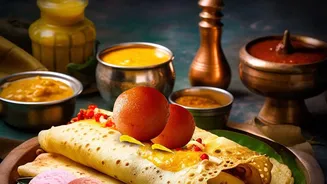
Beyond physical wellness, this shift is deeply emotional. For many city dwellers living fast-paced lives, food has become a powerful link to memory and identity. The taste of a simple dal tadka, a perfectly puffed roti, or a Sunday morning aloo puri can transport one back to childhood kitchens and festival gatherings. These 'dadi-nani' recipes offer a sense of comfort and belonging that exotic or trendy dishes often cannot replicate. In a globalised world, reclaiming these flavours is a way of preserving cultural heritage. This trend, sometimes called 'regional taste nostalgia', is not just happening in homes but is also being recognised by food brands and restaurants, which are reintroducing classic regional dishes to their menus.
The Rise of the Conscious Kitchen
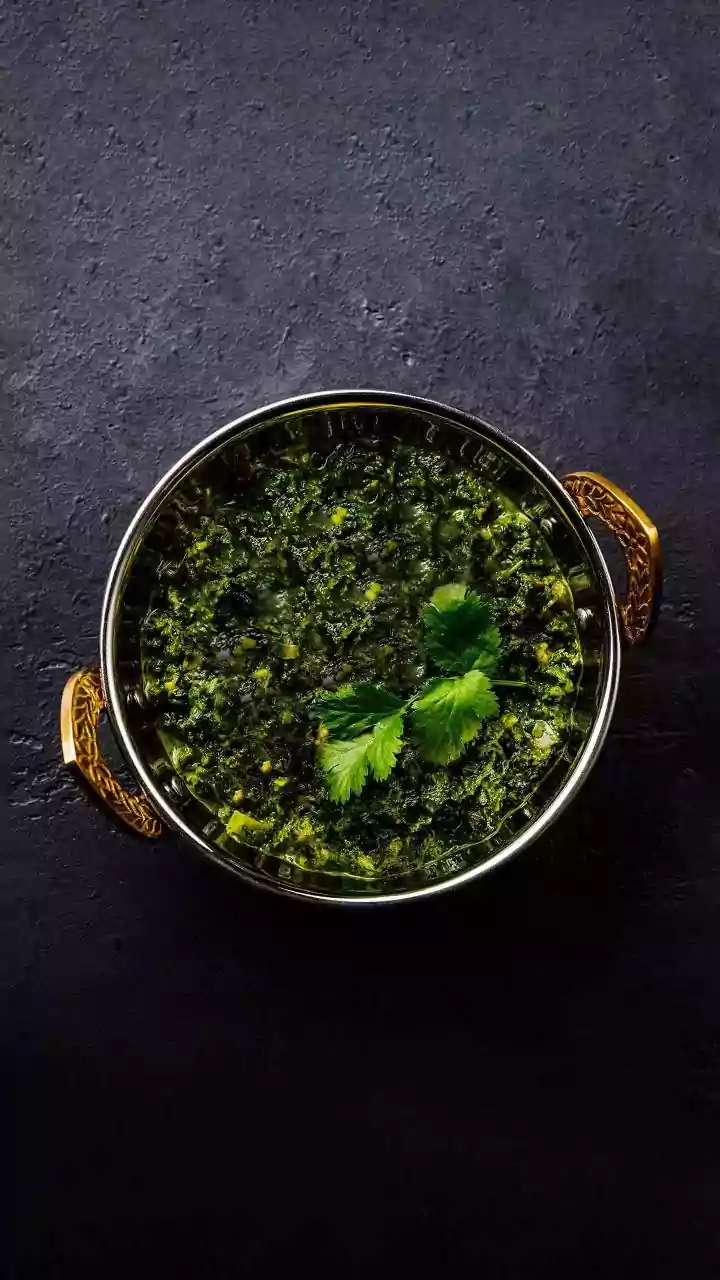
Modern consumers are increasingly making choices that align with their values, and sustainability is a major consideration. Embracing heritage recipes often means eating seasonally and locally, which reduces the carbon footprint associated with transporting exotic ingredients across the globe. There's a growing appreciation for the wisdom of traditional diets, which were inherently designed around local produce. This approach not only benefits the environment but also supports local farmers and economies. Choosing to cook with seasonal gourds, leafy greens, and regional grains over imported avocados and berries is a conscious decision to foster a more sustainable and equitable food chain.
Digital Age Meets Ancestral Wisdom
This return to roots is not a rejection of modernity. In fact, social media has been a powerful catalyst in this movement. Food bloggers and Instagram influencers are unearthing and sharing forgotten family recipes, making them accessible to a new generation. They present traditional dishes in visually appealing ways, often providing modern twists or healthier preparation methods. Shortform video reels showcasing a grandmother's technique for making a perfect pickle or a quick way to whip up a nutritious millet khichdi can go viral, inspiring thousands to try it themselves. This digital revival is demystifying ancestral cooking, proving that it can be both aspirational and achievable for today's home cook.