






The Psychology of Invisible Money
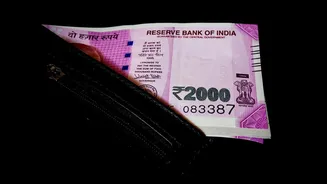
Each small UPI transaction feels insignificant on its own. Paying ₹30 for a snack or ₹100 for a quick ride doesn't trigger the same psychological pinch as handing over physical cash. This phenomenon is known as the reduced "pain of paying." Digital payments
create an emotional distance from the money, making it feel less real and leading to lower spending awareness. Because there's no friction—no counting notes or waiting for change—these micro-spends can bypass the part of your brain that encourages financial restraint. Over a month, hundreds of these 'harmless' transactions can accumulate, creating a significant and often surprising drain on your budget.
Strategy 1: Make Your Spending Visible
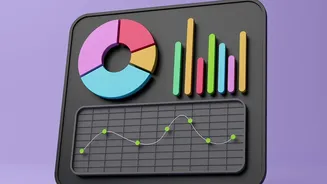
The first step to gaining control is awareness. Untracked spending is the real problem, not UPI itself. Make it a habit to review your UPI transactions weekly. Most payment apps like Google Pay, PhonePe, and the BHIM app have built-in features that categorise your spending. For more detailed analysis, consider using dedicated expense tracking apps that automatically log and sort your UPI payments by reading your transaction SMS alerts. Seeing a clear breakdown of where your money is going—how much on food, travel, and entertainment—is often the wake-up-call needed to adjust your habits.
Strategy 2: The Digital Envelope System
A classic budgeting method involves using cash envelopes for different spending categories. You can create a digital version of this. Set up a secondary bank account linked to your primary UPI app, and at the start of each week or month, transfer a fixed amount into it for all your discretionary micro-spends. This account becomes your 'fun wallet' or 'small spends' fund. Once the balance is depleted, you stop making non-essential UPI payments until the next top-up. This strategy reintroduces a sense of scarcity that is naturally absent in seamless digital payments, forcing you to be more mindful of your balance.
Strategy 3: Introduce Healthy Friction
The convenience of UPI is what makes it so easy to overspend. To counter this, intentionally add small points of friction back into your payment process. For certain categories where you tend to overspend, like snacks or impulse buys, consider using cash. The physical act of handing over money makes the expense more tangible. Another tactic is to follow a 'pause' rule. Before you scan any QR code for a non-essential purchase, take 30 seconds to ask yourself if you truly need it. This brief delay can be enough to break the cycle of impulsive, emotion-driven spending.
Strategy 4: Pay Yourself First, Always
A powerful way to guard your salary is to ensure a portion of it never becomes available for spending. The moment your salary is credited, automate transfers to your savings and investment accounts. This classic 'pay yourself first' approach means your spending money is what's left over after you've saved, not the other way around. When your primary UPI-linked account has a lower available balance, you are psychologically and practically limited in how much you can spend on non-essentials. This automated discipline ensures your long-term financial goals are prioritised over short-term gratification.
Strategy 5: Set Limits and Use Alerts
Many UPI and banking apps allow you to set your own spending limits. Some let you define a weekly or monthly cap, and the app will notify you as you approach it. While these alerts may not block the transaction, they serve as crucial nudges to promote financial awareness. Enable transaction alerts for every payment, no matter how small. Seeing a constant stream of notifications for even minor debits can reinforce the reality of your spending frequency, helping you stay conscious of the cumulative impact on your account balance.