






A Cooler, More Comfortable Home
In the thick of an Indian summer, the most immediate benefit of a shade garden is the profound cooling effect. A well-placed tree is nature's air conditioner. Its canopy blocks the harsh sun from hitting your roof and walls, preventing your home from heating
up like an oven. Studies have shown that the temperature under a tree can be significantly cooler than the surrounding area. This isn't just about making your porch a more pleasant place to sit; this shade directly translates to a cooler indoor environment. The process of evapotranspiration, where trees release water vapour, also actively cools the surrounding air. So, while a bed of seasonal flowers is lovely, it won't stop you from cranking up the AC. A strategically planted tree, however, provides a living, breathing solution to the relentless heat.
The Smart Money: Energy Savings and Property Value
The benefits of shade gardening go straight to your wallet. By reducing the heat absorbed by your home, shade trees can slash your air conditioning costs. Some studies suggest that well-placed trees can reduce cooling needs by up to 30 percent or more. This isn't a one-time saving but a recurring dividend that your garden pays you year after year. Beyond energy bills, mature trees are a proven way to increase your property's value. A home with a lush, green canopy has immense curb appeal and signals an established, desirable property. Real estate experts note that homes with mature trees can see a value increase of anywhere from 5 to 15 percent. A decorative flower bed needs re-planting every season, but a tree is a long-term asset that appreciates over time.
Ecological and Community Benefits
Your decision to plant for shade extends beyond your own property line. Trees are champions of the local ecosystem. They improve air quality by absorbing pollutants and releasing oxygen. Their root systems help prevent soil erosion and improve water retention in the ground. A single tree can provide a vital habitat for birds and beneficial insects, creating a healthier, more biodiverse environment. In urban areas, a collective of shade trees helps combat the "heat island" effect, where concrete and asphalt radiate heat and raise city temperatures. A neighbourhood with good tree cover is not only cooler but also more pleasant and walkable, fostering a stronger sense of community. Your simple act of planting a shade tree contributes to a healthier planet and a better neighbourhood.
Choosing Your Shade Champions
The key to successful shade gardening is choosing the right tree for your space and climate. India is home to many fast-growing trees that can provide a substantial canopy within a few years. The Neem tree (Azadirachta indica) is a hardy, low-maintenance choice known for its dense shade and medicinal properties. For beautiful flowers along with shade, the Gulmohar (Delonix regia) is a spectacular option. Other excellent fast-growing choices include the Indian Banyan, Peepal, and Arjuna trees. Before planting, consider the mature size of the tree. Ensure it's placed a safe distance from your home's foundation, walls, and overhead power lines to avoid future problems.
Thriving in the Understory
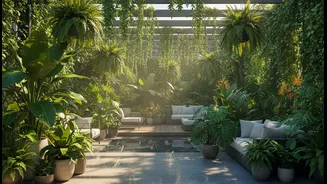
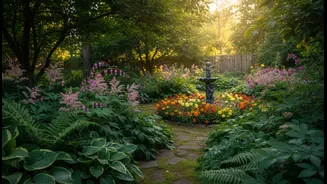
Gardening for shade doesn't mean giving up on smaller plants and flowers. Once you have your canopy, a whole new world of shade-loving plants opens up. Many beautiful species thrive in the filtered light beneath a tree, something they couldn't do in direct, scorching sun. Ferns of all kinds create a lush, tropical feel. For colour, consider Impatiens, Begonias, and Hydrangeas, which offer vibrant blooms in shady conditions. Even herbs like mint and coriander can do well in partial shade. These understory plants complete the look, creating a multi-layered, serene, and functional garden that is far more resilient and interesting than a simple sun-baked lawn with a few decorative pots.