





The Fuel Cost Equation
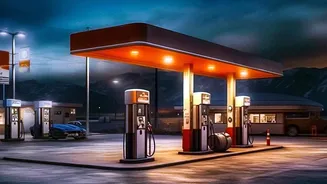
Fuel is often the single largest expense on a road trip. Estimating it accurately prevents budget surprises. The basic formula is straightforward: (Total Distance / Vehicle Mileage) x Fuel Price per Litre. However, real-world conditions matter. Your car's
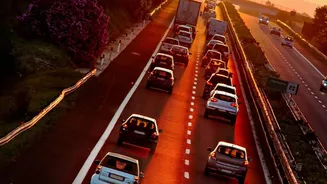
actual mileage can be 15-20% lower than the manufacturer's claim due to traffic, terrain, and driving style. Before you leave, note your car's city and highway mileage. Use online fuel cost calculators to get a baseline figure, but always add a buffer for unexpected detours or traffic jams. Planning fuel stops is also key, especially in remote areas where pumps can be scarce.
Mastering Tolls with FASTag
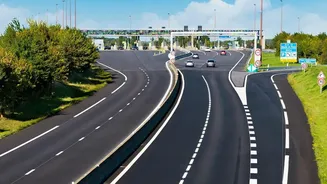
India's extensive highway network is dotted with toll plazas, making tolls a significant and unavoidable cost. The mandatory FASTag system has streamlined payments, deducting charges automatically and reducing delays. Several apps and websites, including some from the National Highways Authority of India (NHAI), allow you to calculate the exact toll costs for your route before you even start the engine. Remember to keep your FASTag wallet sufficiently funded to avoid penalties or delays. Also, be aware that many toll plazas offer a discount for a return journey completed within 24 hours, a small saving that can add up on shorter trips.
The Underrated Necessity of Driver Rest
This is the most crucial, yet often overlooked, part of the planning triangle. Driver fatigue is a major contributor to road accidents. It slows reaction times, impairs judgment, and diminishes focus. Planning for rest is not a luxury; it's a non-negotiable safety measure. Experts recommend taking a break every two to three hours. These stops aren't wasted time. They are opportunities to stretch, rehydrate, and reset mentally, ensuring you stay alert behind the wheel. A well-rested driver is a safer and more efficient driver, better equipped to handle unexpected road conditions. Ignoring fatigue can have devastating consequences that no amount of time-saving can justify.
Striking the Perfect Balance
The art of road trip planning lies in integrating these three components. A route with fewer tolls might seem cheaper, but if it's longer or has poor road quality, you could spend more on fuel and increase driver fatigue. Conversely, a smooth, fast expressway saves time and fuel but comes with higher toll costs. Use tools like Google Maps, which can show traffic conditions and provide route options. Plan your overnight halts and meal breaks strategically. A long driving day should be followed by adequate rest. Combine fuel stops with short breaks to stretch your legs. This holistic approach ensures your journey is not just cost-effective but also safe and enjoyable.
Tools for the Modern Traveller
Thankfully, technology has made this balancing act much easier. Several apps are designed specifically for Indian road trips. TollGuru, for example, can calculate both toll and estimated fuel costs for your entire route. The official NHAI app, Rajmargyatra, helps you check your FASTag balance and find information on toll plazas. For overall planning, Google Maps remains indispensable for its real-time traffic updates and route comparisons. For more complex, multi-day journeys, dedicated trip planners like Savaari or even customizable tools like Google MyMaps can help you organize your itinerary, including stops for fuel and rest.