





Tyres: Your Only Grip on Reality
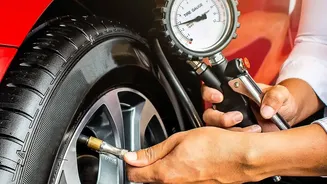
Your tyres are the single most important safety feature on wet, slippery roads. Good tread is crucial to prevent aquaplaning, a dangerous situation where your car loses traction on a layer of water. Before you start your trip, check that your tyres have
sufficient tread depth. Worn-out tyres can significantly increase stopping distances and make steering unpredictable, especially on winding hill roads. Also, ensure they are inflated to the manufacturer’s recommended pressure, including the spare. Incorrect pressure affects braking, handling, and fuel efficiency.
Brakes: The Ultimate Safety Net
Braking performance is severely tested in wet conditions. The combination of rain and steep downhill slopes in the mountains puts immense strain on your braking system. Get your brake pads, discs, and brake fluid checked by a professional. Worn brake pads or old brake fluid that has absorbed moisture can fail when you need them most. After driving through a waterlogged patch, gently tap your brakes a few times to dry them out and restore normal function.
Visibility: Wipers, Lights, and Defogger
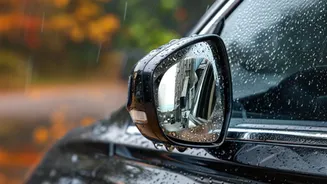
In a downpour, if you can't see, you can't drive safely. Summer heat often cracks and hardens rubber wiper blades, making them useless for clearing rain. If your wipers leave streaks or make noise, replace them immediately. Top up your windshield washer fluid, as muddy spray from other vehicles can instantly block your view. Equally important are your lights. Check that all headlights, taillights, brake lights, and indicators are working. This ensures other drivers can see you in low-visibility conditions. Also, test your AC and defogger, as they are essential for clearing mist from the inside of your windshield.
Electrics: Battery and Wiring
The monsoon's humidity can wreak havoc on your car's electrical systems. An old or weak battery is more likely to fail in the damp weather. Get your battery checked and ensure the terminals are clean and free of corrosion. Protect any exposed wiring and check that all fuses are in order. A short circuit caused by water seepage can leave you stranded, a particularly dangerous situation in a remote hilly area.
Body and Undercarriage: Guard Against Rust
Constant exposure to rain and mud accelerates rust and corrosion, especially on the underbelly of your car. If you have any deep scratches or dents, get them repaired before the trip, as exposed metal is a prime target for rust. Consider getting an anti-rust underbody coating for added protection. It’s also wise to clear out any leaves or debris from drainage channels, especially those under your windshield and in the door frames, to prevent water from leaking into the cabin.
The Monsoon Emergency Kit
While not a part of the car itself, a well-stocked emergency kit is a crucial companion for a monsoon road trip. Your kit should include a tow rope, jumper cables, a powerful torch with extra batteries, and a first-aid kit. Also pack some non-perishable snacks, drinking water, a power bank for your phone, and a reflective warning triangle. An umbrella and a microfibre cloth for wiping down foggy interiors are also invaluable additions.