




What Exactly Is India Proposing?
At the 23rd ASEAN-India Summit in Manila on November 17, 2026, Prime Minister Narendra Modi announced a series of initiatives to bolster ties with the 11-member Association of Southeast Asian Nations (ASEAN). The most talked-about of these is a plan to provide
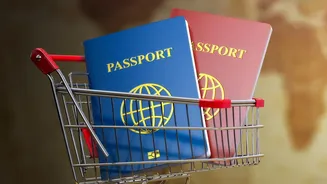
free electronic tourist visas to citizens from all ASEAN countries. This means travellers from nations like Brunei, Cambodia, Indonesia, Laos, Malaysia, Myanmar, the Philippines, Singapore, Thailand, Timor-Leste, and Vietnam could apply for an Indian e-visa without paying the usual fees. It's important to note this is a fee waiver, not a complete removal of the visa process. Tourists would still need to complete the online application. The proposal builds on India's existing policy, which already offers free 30-day e-visas to citizens of five ASEAN member states, including Indonesia, Malaysia, Myanmar, the Philippines, and Thailand. This new initiative aims to harmonize the policy across the entire bloc.
A Strategic Move, Not a Holiday Perk
While easier travel is a welcome side effect, the proposal is fundamentally a strategic play. The announcement was part of a larger package of nine initiatives designed to deepen India's Comprehensive Strategic Partnership with ASEAN. Other proposals include a long-term maritime cooperation plan, collaboration in nuclear energy and critical minerals, and joint cyber forensics training. This visa policy is a tool of diplomacy, a key component of India's 'Act East' Policy, which aims to strengthen economic, strategic, and cultural ties with the Asia-Pacific region. By making it easier for ASEAN business leaders, students, and tourists to visit, India hopes to foster greater economic integration, boost its own tourism sector, and strengthen people-to-people connections that underpin broader geopolitical goals. It's a unilateral gesture designed to project goodwill and cement India's role as a key partner in the Indo-Pacific.
The Big Question: Why Isn't It Reciprocal?
The headline-grabbing detail is that this proposal does not automatically grant Indians visa-free access to all ASEAN nations. Visa policies are complex and rarely symmetrical. A country's decision to grant visa-free access often depends on several factors, including the economic status of the other country's citizens and the perceived risk of illegal immigration or visa overstays. Wealthier nations often worry that citizens from developing countries might use visa-free travel as a way to find work and not return home. While some ASEAN countries like Thailand, Malaysia, and Indonesia already offer visa-free entry or visa-on-arrival to Indians, this is their own sovereign decision, driven by their desire to attract India's massive outbound tourism market. India's proposal is a unilateral diplomatic move. The sources covering the announcement do not mention any conditions of reciprocity being requested from the ASEAN bloc.
What This Means for Indian Travellers
For now, the situation for Indian passport holders travelling to Southeast Asia remains unchanged by this specific proposal. You still need to check the individual visa requirements for each country. The good news is that many ASEAN countries have already made it relatively easy for Indians to visit. Thailand recently extended its visa-free scheme for Indians. Malaysia has a visa-free entry policy in place for Indians until the end of 2026. Indonesia offers a visa-on-arrival service at major airports like Bali and Jakarta. Other nations like Cambodia, Laos, and Vietnam have straightforward e-visa processes. While India's gesture to ASEAN is a positive sign of deepening relationships, it doesn't translate into a borderless travel zone for Indian citizens. It's a reminder that international travel rules are a mix of diplomacy, economics, and national security concerns.