







1. Shop with a Mission, Not an Impulse
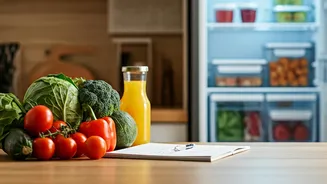
The battle against food waste begins before you even step into the kitchen. It starts at the kirana store or supermarket. The single most effective habit is to plan your meals for the week. Before you leave the house, take a quick inventory of your pantry
and fridge. What do you already have? What do you *actually* need? Make a list and stick to it. This simple discipline prevents the classic mistake of overbuying. It also saves you money and reduces the stress of figuring out what to cook every night. And don't shy away from the 'ugly' vegetables—the slightly misshapen brinjal or crooked carrot is just as nutritious and delicious. Choosing them helps reduce waste at the retail level.
2. Become a Master of Your Fridge
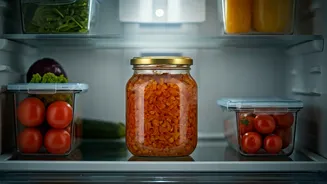
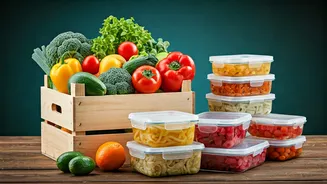
Your refrigerator can be your greatest ally or your worst enemy in this fight. The key is organisation. Implement the 'First In, First Out' (FIFO) principle. Place newer items at the back and older ones at the front so they get used first. Proper storage is also crucial in our climate. Store fresh herbs like coriander and mint with their stems in a glass of water. Wrap green leafy vegetables in a paper towel before putting them in a bag to absorb excess moisture. A little effort here dramatically extends the life of your fresh produce, ensuring it ends up on your plate instead of in the bin.
3. Embrace the Art of the Leftover
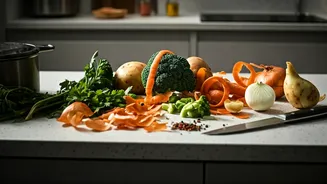
In Indian cooking, leftovers aren't a sign of failure; they're an opportunity for creativity. Yesterday's dal can be thickened and used to make parathas. Leftover rice can be transformed into a delicious lemon rice or fried rice for the next day's lunch. Don’t throw away vegetable peels and scraps! Simmer onion skins, carrot peels, and coriander stems in water to create a flavourful, free vegetable stock that can be the base for your next soup or curry. Even stale bread can be revived by sprinkling it with a little water and toasting it, or it can be turned into breadcrumbs or croutons. Thinking of every scrap as an ingredient is a powerful mindset shift.
4. Learn to Speak 'Expiry Date'
Many of us throw away perfectly good food because we misinterpret labels. It's important to understand the difference. 'Use By' is a safety marker. It applies to highly perishable items like milk, paneer, and packaged meats. You should not consume these after the 'Use By' date. However, 'Best Before' is a quality marker. It indicates the date until which the product will be at its peak flavour and texture. Many foods like biscuits, chips, and canned goods are perfectly safe to eat after their 'Best Before' date, even if they aren't as crisp. Use your senses—if it looks, smells, and tastes fine, it likely is.
5. Go Beyond Your Kitchen Bin
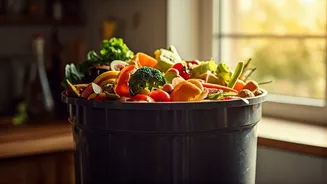
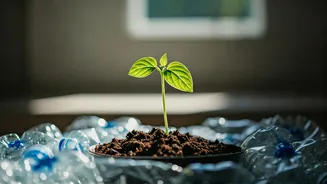
Even with the best intentions, some food waste is unavoidable. But it doesn't have to go to a landfill. Composting is an excellent way to turn fruit and vegetable scraps, eggshells, and coffee grounds into nutrient-rich soil for your plants. Many compact composting solutions are now available for apartment living. Furthermore, if you have excess, un-spoiled food from a party or event, consider connecting with local organisations. Groups like the Robin Hood Army collect surplus food from restaurants and individuals to distribute it to those in need. This turns your potential waste into someone else's essential meal.
6. Let Technology Be Your Guide
In the digital age, your smartphone can be a powerful tool against waste. There are numerous apps designed to help you plan meals, generate shopping lists based on your inventory, and even suggest recipes based on the ingredients you have on hand. Some apps help you track the shelf life of your groceries, sending you reminders before things are about to expire. Others connect consumers with local stores selling surplus food at a discount. A quick search on your app store can reveal a host of digital assistants ready to help you streamline your kitchen and cut down on waste with minimal effort.