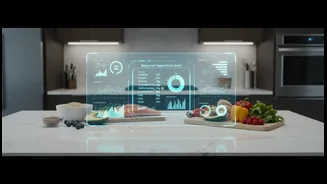





The Promise of a Digital Food Detective
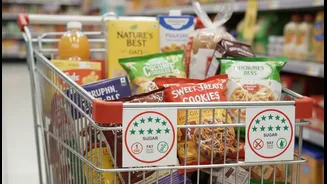
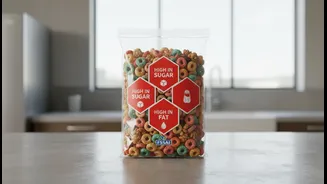
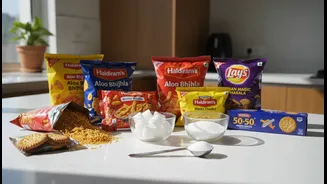
The primary goal of NIN’s upcoming AI tool is to demystify the world of packaged and processed foods. In an era where lifestyle diseases like diabetes and hypertension are on the rise, linked partly to the increased consumption of these products, the government
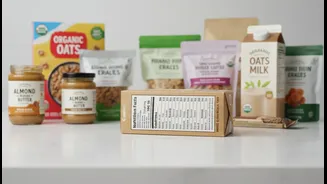
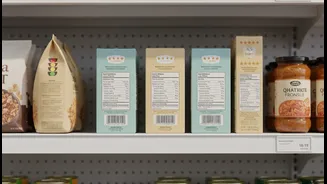
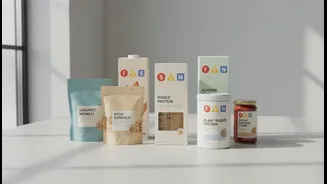
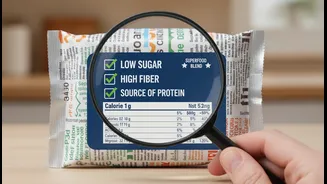
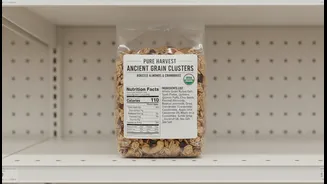
is stepping in. The bot, developed in partnership with the creators of the 'TruthIn' app, will function as a powerful search engine. Users will be able to look up a specific product or brand and get an instant, easy-to-understand breakdown of its nutritional profile. The system will flag ingredients, explain technical terms hidden behind codes, and help consumers compare different products on the shelf. The objective is to create a massive scientific database of packaged foods sold in India, empowering consumers with transparent information at their fingertips and helping to combat the growing burden of non-communicable diseases.
The Great Indian Thali Challenge
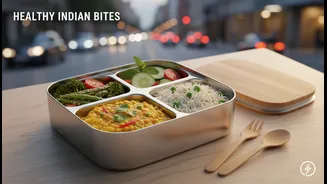
While the bot promises to be a game-changer for navigating supermarket aisles, its utility faces a formidable challenge when it comes to the food most Indians actually eat: home-cooked meals. Indian cuisine is famously complex, regional, and unstandardized, posing a massive problem for artificial intelligence. Unlike a burger or a sandwich, a traditional Indian thali can contain multiple dishes—like dal, sabzi, roti, and rice—often mixed together. Researchers at institutes like IIIT-Hyderabad have highlighted that most existing food-tracking apps, designed for discrete Western meals, fail spectacularly in the Indian context. An AI struggles to identify where the dal ends and the rice begins, let alone calculate the nutritional value of a dish that changes from one household to the next.
The Data Deficiency Dilemma
The effectiveness of any AI tool is entirely dependent on the data it's trained on. The NIN bot's database, built with its partner, will initially contain tens of thousands of packaged food products. This is an excellent start for processed foods but leaves a vast gap when it comes to traditional recipes. The same dish, like sambar or rajma, can have drastically different calorie and nutrient profiles depending on the region, family recipe, and the amount of oil or ghee used. Most Indian home cooking relies on estimations—a 'katori' of dal, a 'handful' of spices—which are nearly impossible for a database to quantify accurately. Without a comprehensive, verified, and region-specific database for traditional foods, which is a monumental undertaking, the AI's advice on home-cooked meals will be based on generic averages that may not reflect reality.
A Tool, Not a Guru
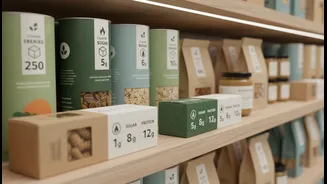
It is crucial to see the NIN's planned bot for what it is: an important public health tool for a specific purpose, not an all-knowing nutrition guru. Its strength will lie in promoting label literacy and helping people make more informed decisions about the packaged goods they buy. It addresses a critical need, as many consumers find nutritional labels confusing and opaque. However, users must be aware of its limitations. The bot cannot, in its current proposed form, understand the subtle complexities of your home-cooked meal. Advanced research into AI-powered food recognition from photos is ongoing, but even these sophisticated systems struggle with the diversity of Indian plates. The dream of an AI that can accurately analyze a picture of your thali and give you a precise nutritional breakdown is still on the horizon, not yet in our hands.