






1. Master the Art of Browning
That beautiful brown crust on a piece of chicken or the deep, savoury flavour in a stew doesn't come from magic; it comes from the Maillard reaction. This is a chemical reaction between amino acids and sugars that creates hundreds of new flavour compounds.
Too often, home cooks rush this step. To get it right, make sure your pan is properly heated before you add your protein or vegetables. Don't overcrowd the pan, as this will steam your food instead of searing it. Work in batches if you have to. Finally, be patient. Let your food sit undisturbed until it develops a deep, golden-brown crust before you flip it. This single technique is the difference between a bland, grey piece of meat and a deeply flavourful one.
2. Finish with Fresh Herbs
Dried herbs have their place, especially in long-simmering sauces and marinades. But for a burst of freshness and complexity that can wake up any dish, nothing beats fresh herbs. A simple sprinkle of finely chopped coriander over a curry, parsley over roasted potatoes, or basil over a pasta dish can completely transform the experience. They add a vibrant, aromatic quality that dried herbs simply can't replicate. Think of them not just as a garnish but as a finishing ingredient. Keep a couple of hardy potted herbs like mint and rosemary on your windowsill. For others like coriander and parsley, buy them fresh and store them in the fridge with their stems in a glass of water, like a bouquet of flowers, to extend their life.
3. Add a Splash of Acidity
If a dish tastes flat or heavy, it almost never needs more salt. What it likely needs is a touch of acid. Acidity cuts through richness, balances sweetness, and makes all the other flavours in the dish pop. It's the secret weapon of restaurant chefs. A squeeze of lemon or lime juice just before serving can brighten up everything from grilled fish and roasted vegetables to rich, creamy soups. A splash of vinegar—be it apple cider, red wine, or balsamic—can liven up a pan sauce or a simple salad dressing. Even a dollop of yoghurt or a crumble of feta cheese can add that necessary tangy counterpoint. Next time a dish feels like it's missing something, reach for an acid before you reach for the salt shaker.
4. Create Textural Contrast
A great meal engages more than just your sense of taste; it also delights with texture. A dish that is all one texture—all soft, all mushy, all crunchy—can become boring very quickly. The most satisfying plates offer a contrast. Think of the crunch of toasted nuts on a creamy dal, the crispiness of fried onions on a soft biryani, or the bite of fresh cucumber in a spicy curry. It’s easy to add this element to your everyday cooking. Top your soups with crunchy croutons or toasted seeds. Sprinkle breadcrumbs over your baked pasta. Serve a crisp, fresh salad alongside a soft, slow-cooked stew. This simple layering of textures makes each bite more interesting and dynamic.
5. Plate with Intention
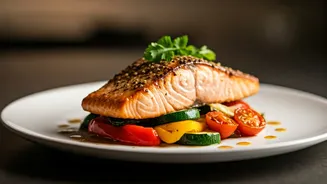
We eat with our eyes first. You could cook the most delicious meal, but if it’s slopped onto a plate, it will feel less special. You don't need to be a food stylist, but taking 30 seconds to plate your food thoughtfully makes a huge difference. Wipe the rim of the plate clean. Instead of just piling everything in the middle, try placing your protein slightly off-centre and arranging the vegetables next to it. Give your food a little height. Garnish with that sprinkle of fresh herbs we talked about. Use plates that make your food look good—a simple white plate is often the best canvas. This small act of care signals that the meal is an event, not just fuel, instantly upgrading the entire dining experience.