



A Fundamental Shift in Travel Priorities
The way Indians travel is undergoing a significant transformation. What began as a preference driven by the need for safety and personal space has now blossomed into a full-blown trend. Travellers are increasingly choosing 'drivecations' over short-haul
flights, prioritising the journey as much as the destination. This shift is powered by a desire for control over one's itinerary, the ability to travel without restrictive luggage allowances, and the simple joy of discovery. The trend is particularly strong for trips within a 200 to 600-kilometre radius, making destinations like Jaipur, Rishikesh, and Goa more accessible by car than ever before. This move towards the road reflects a deeper change in mindset, where the autonomy and mindfulness of a road trip are seen as a way to counter burnout and the rigid structures of daily life.
The Allure of Flexibility and Spontaneity
A key driver behind the boom in road travel is the unparalleled flexibility it offers. Unlike the fixed schedules of planes and trains, a car journey allows for spontaneous detours, impromptu photo stops, and the freedom to explore hidden gems along the way. Travellers can linger longer in a place they love or change their route on a whim, creating a truly personalised experience. This appeals especially to younger generations like Gen Z and millennials, who value authentic experiences and independence over packaged tours. The rise of micro-breaks—shorter, more frequent getaways often taken over long weekends—also aligns perfectly with the convenience of road travel. Reports show a surge in intercity travel bookings around public holidays, as people leverage improved highways for quick, refreshing escapes.
India's Most Scenic Highways Beckon
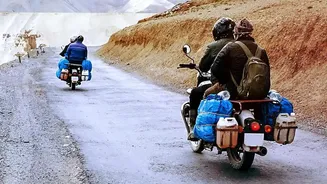
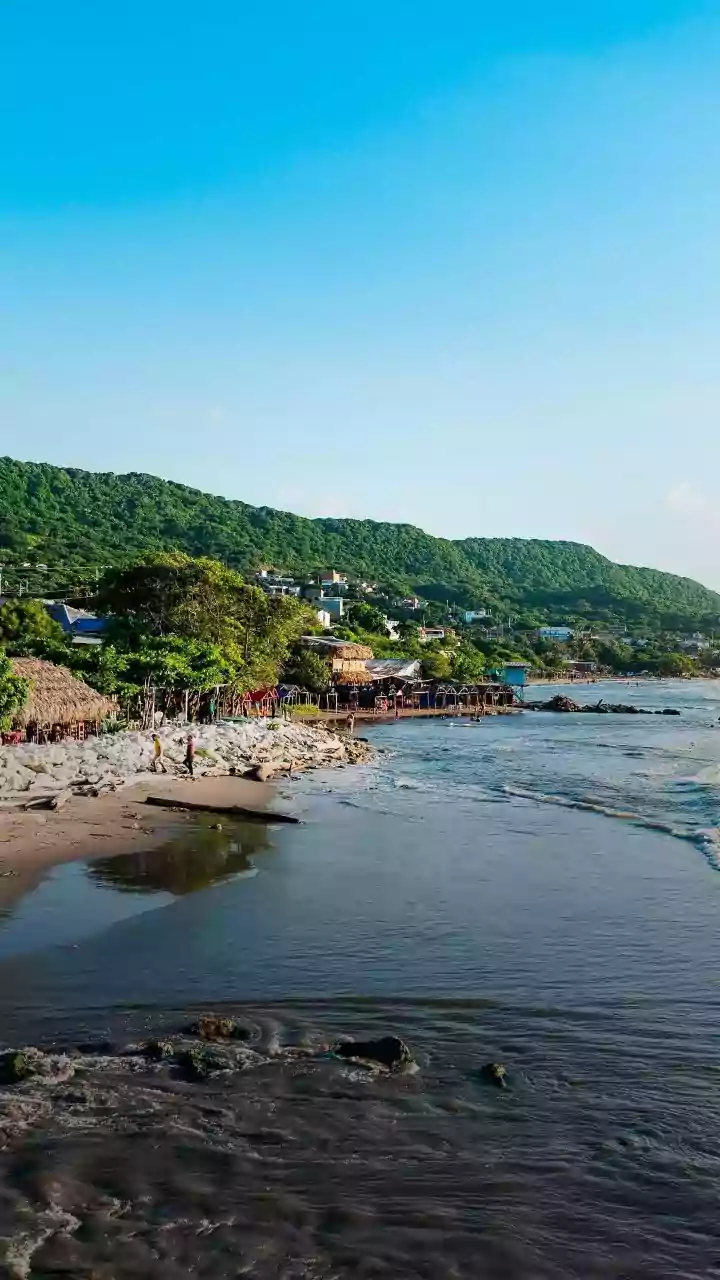
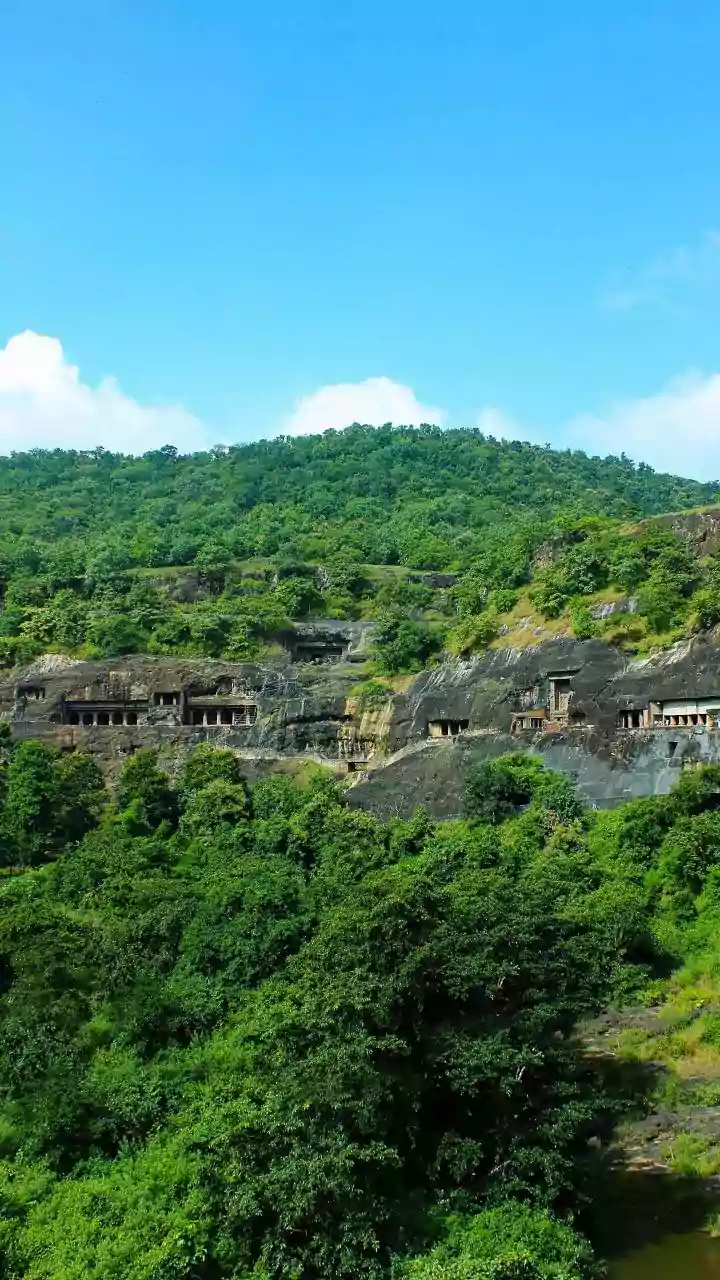
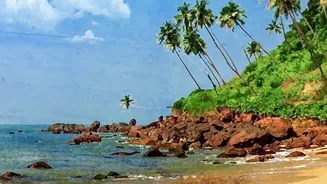
The romance of the road trip is amplified by the sheer diversity of India's landscapes. From the towering Himalayas to serene coastlines, the country offers a route for every kind of adventurer. Iconic journeys like the Manali-Leh highway remain a dream for many, carving through high-altitude passes and dramatic barren landscapes. In the south, the East Coast Road from Chennai to Puducherry offers a stunning coastal drive, dotted with ancient temples and charming colonial architecture. The classic Mumbai to Goa route remains a family favourite, promising beaches and delicious seafood stops. Meanwhile, routes like Guwahati to Tawang are opening up the unexplored beauty of the Northeast. These journeys are not just about getting from one point to another; they are immersive cultural experiences.
Infrastructure and Enablers Paving the Way
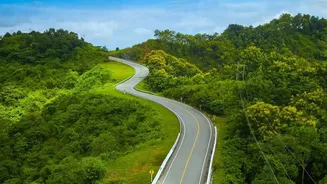
This travel trend didn't emerge in a vacuum. It has been significantly enabled by two key factors: massive improvements in road infrastructure and the growth of the self-drive rental market. The Indian government's focus on expanding the national highway network has made road travel faster, safer, and more comfortable. Expressways and well-maintained arterial roads have slashed travel times and connected even remote tourist destinations. Simultaneously, the self-drive car rental market in India is booming, expected to be worth around ₹5,000 crore in 2026. This growth is driven by a shift in mindset from ownership to access, particularly among urban youth. The availability of rental cars, including electric vehicles, makes road trips accessible even for those who don't own a vehicle.
The Growing Economic Impact
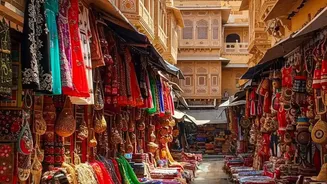
The rise of road travel is also creating a positive ripple effect on local economies. As travellers venture beyond major cities, they bring business to smaller towns and villages. This trend is particularly beneficial for destinations in Tier-2 and Tier-3 cities, which are seeing a rise in demand. Roadside dhabas, small guesthouses, handicraft shops, and local guides all benefit from the increased flow of tourists exploring regional corridors. This distributed form of tourism helps spread economic benefits more evenly, fostering inclusive growth and supporting livelihoods outside the traditional tourist hubs. As travellers increasingly seek authentic experiences, road trips are proving to be a powerful way to connect with the heart of India while supporting its local communities.