





The Backlash to 'Loud' Travel
For years, the dominant travel ethos was about accumulation: collecting countries, landmarks, and experiences to be showcased on social media. It was travel as performance. You weren't just visiting Paris; you were curating a highlight reel of your Parisian
adventure for an audience. This led to what critics call “overtourism,” where iconic destinations became suffocated by their own popularity, and the experience of being there was often a stressful shuffle through crowds. The pandemic acted as a hard reset. With global travel halted, people were forced to find adventure closer to home, often in nature. This period of forced slowness had an unexpected side effect: many realized they didn't miss the frantic pace of 'loud' travel. Instead, they discovered the joy of quiet, of being present in a single place rather than rushing through a checklist. The pendulum is now swinging hard in the other direction, away from the Fear of Missing Out (FOMO) and toward the Joy of Missing Out (JOMO).
What Defines a 'Quiet Escape'?
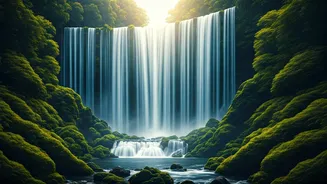
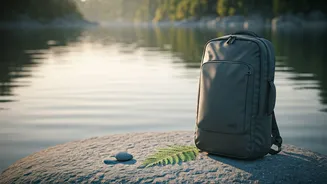
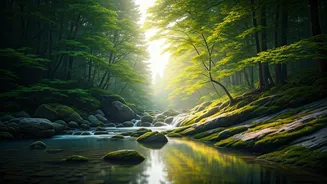
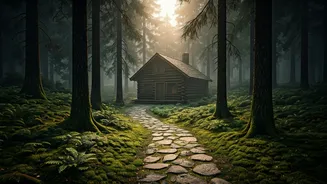
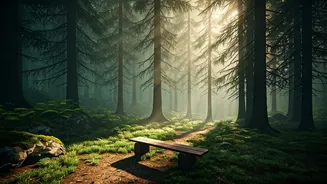
A quiet escape isn't necessarily about absolute silence, though it can be. It's more about subtracting the unnecessary noise—both literal and digital. It's about trading crowded city centers for secluded cabins, all-inclusive resorts for mindful wellness retreats, and rigid schedules for spontaneous hikes. The common thread is an intentional shift from external stimulation to internal restoration. This trend manifests in several ways. We're seeing a surge in bookings for national and state parks, a boom in the rental market for remote cabins and A-frames, and a growing interest in “slow travel”—the practice of staying in one place for longer to truly connect with the local culture and environment. It also includes things like agritourism (staying on farms), off-season travel to popular spots to avoid the crowds, and trips centered around low-impact activities like forest bathing (shinrin-yoku), bird-watching, or simply reading a book by a lake.
Burnout, Bleeps, and the Search for Stillness
So, what’s driving this collective sigh? It’s a direct response to the pressures of modern American life. Workplace burnout is at an all-time high, and our digital tethers—the constant pings from emails, texts, and social media—have blurred the lines between work and rest. We are chronically overstimulated and underslept. A traditional, action-packed vacation can often feel like just another project to manage, leaving travelers returning home more exhausted than when they left. A quiet escape offers a genuine antidote. By disconnecting from the digital world and immersing oneself in a calm environment, the nervous system gets a chance to downshift. It's a rejection of the 'hustle culture' mindset that insists every moment must be optimized for productivity or performance. Instead, it elevates rest to its rightful place as a crucial, non-negotiable component of a healthy life, not just a reward for enduring exhaustion.
How the Travel Industry Is Responding
The industry is taking note. Major hotel chains are now designing spaces with mindfulness in mind, incorporating things like soundproof rooms, meditation apps on in-room tablets, and natural, calming aesthetics. A new category of 'rest-focused' hotels and retreats is emerging, where the main amenities are not infinity pools and DJs, but sensory deprivation tanks, guided nature walks, and workshops on sleep hygiene. Even marketing language has shifted. Words like “secluded,” “unplugged,” “restorative,” and “serene” are becoming more powerful than “exciting” or “action-packed.” Travel agencies and booking platforms are creating curated collections for travelers seeking solitude, from solo-friendly nature lodges to silent retreat centers. It's a clear signal that the desire for peace isn't just a niche interest; it's a significant and growing market force that is reshaping how we think about getting away from it all.