



A Shift in Seasons and Mindsets
The traditional Indian travel calendar has always revolved around school holidays and the festive winter months. The monsoon, with its heavy downpours and potential for disruption, was typically considered the off-season. However, this perception is rapidly
changing, especially among Gen Z and millennial travellers. They are increasingly swapping crowded, peak-season trips for the unique experiences offered between June and September. This shift is driven by a desire for something different—a quieter, more authentic holiday away from the throngs of tourists that dominate popular spots during winter and summer.
The Budget-Friendly Advantage
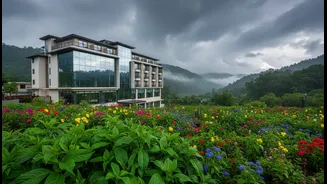
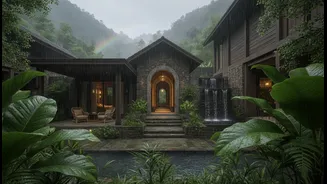
One of the most significant drivers of this trend is economics. Young travellers are famously value-conscious, and the monsoon season offers substantial financial benefits. Airlines and hotels, looking to attract customers during a traditionally slower period, often slash their prices. Discounts on flights and luxury accommodations can make once-unaffordable destinations accessible, allowing for more lavish experiences on a tighter budget. This price drop means travellers can either save money or extend their stays, getting more value out of their trip.
Chasing the Emerald Scenery
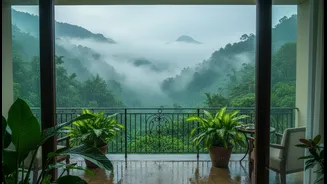
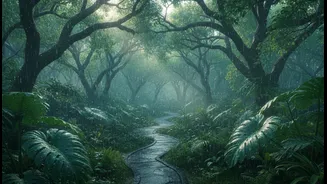
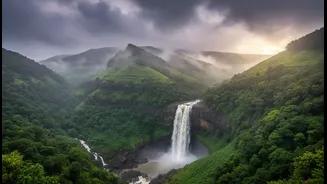
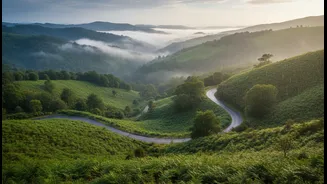
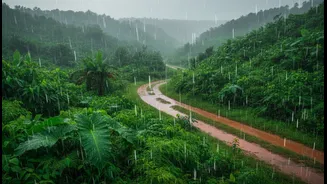
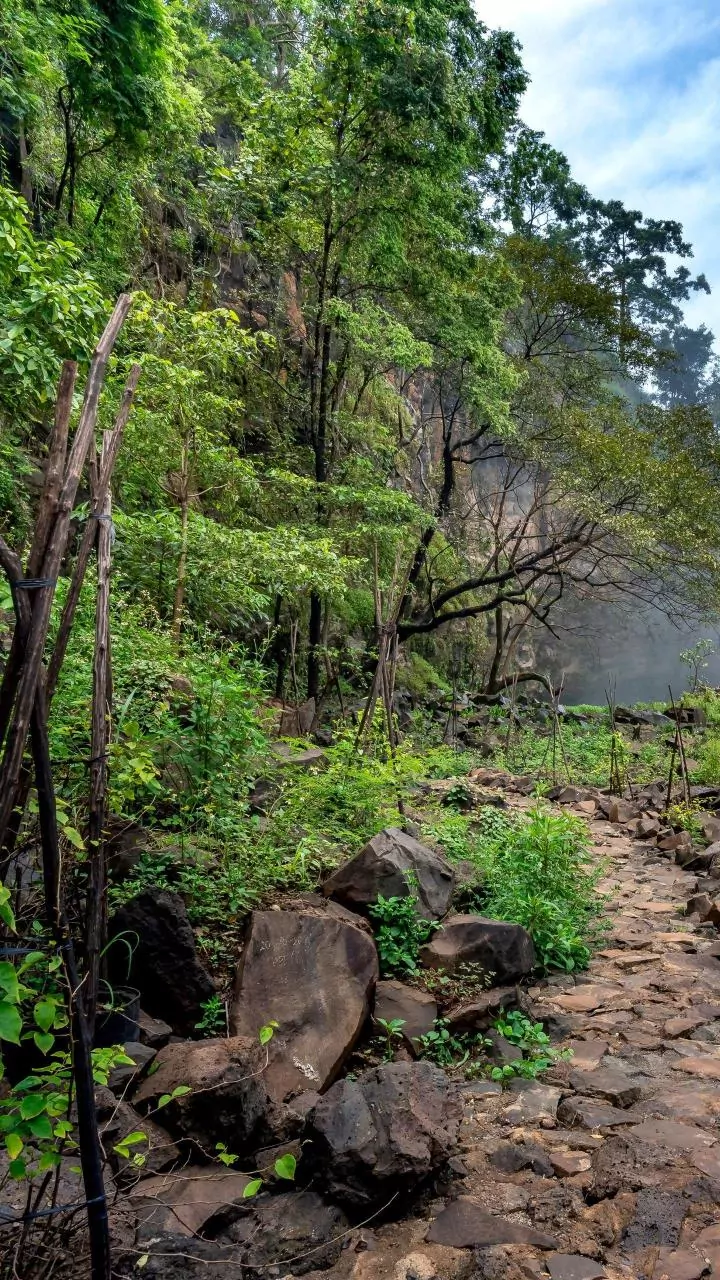
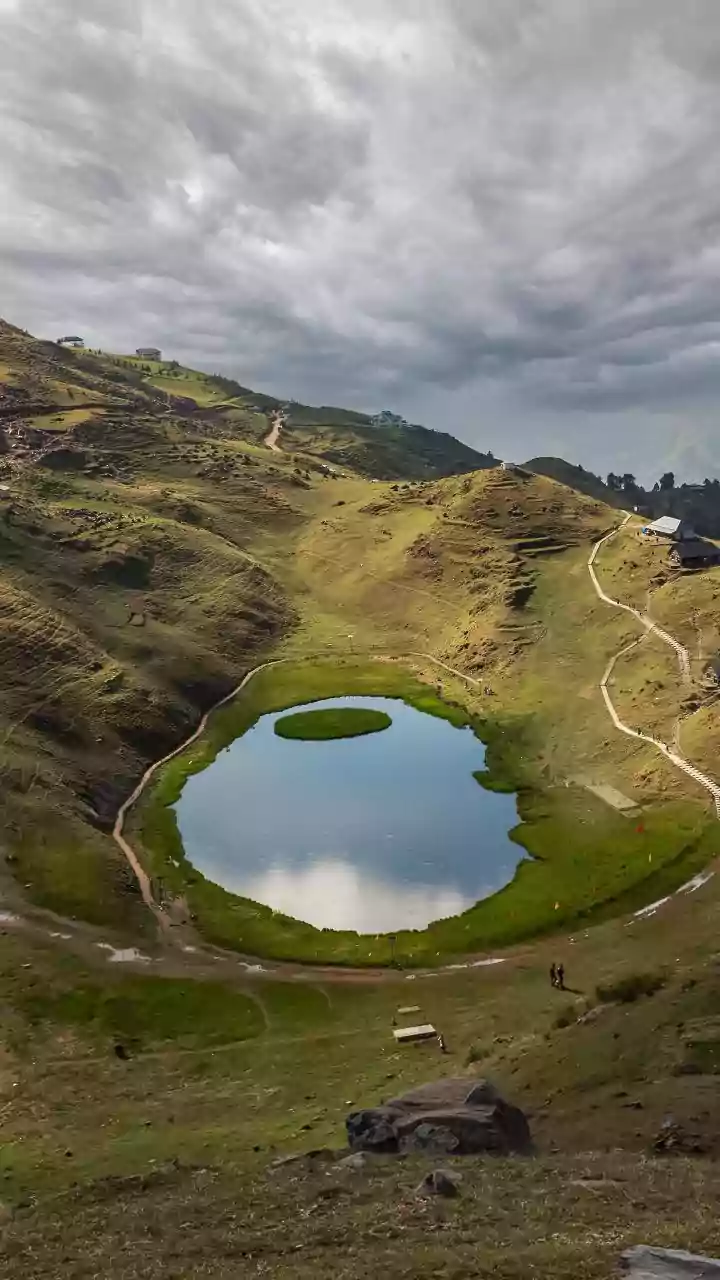
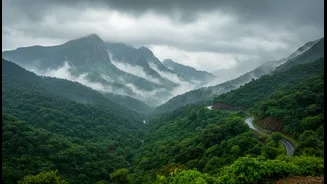
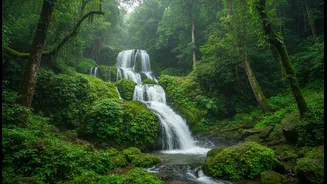
The monsoon transforms India’s landscapes into a vibrant, emerald paradise. Dry, brown hills become carpeted in lush greenery, and waterfalls that are mere trickles in summer swell into powerful, magnificent cascades. For a generation fluent in the visual language of social media, these landscapes are irresistible. Platforms like Instagram and YouTube are filled with images of misty mountains, rain-washed forests, and dramatic cloud-filled skies, inspiring many to seek out these 'Instagrammable' moments themselves. The unique, moody aesthetic of the monsoon provides a stunning backdrop that is a powerful draw for content-savvy youth.
Where the Rain Beckons
Certain destinations have become monsoon favourites. The Western Ghats, particularly hill stations in Maharashtra like Lonavala and Mahabaleshwar, are immensely popular with weekend crowds from Mumbai and Pune. Further south, the tea plantations of Munnar, the backwaters of Alleppey, and the coffee estates of Coorg in the states of Kerala and Karnataka offer breathtaking beauty. Goa, while famous for its sunny beaches, takes on a different, quieter charm during the rains, with its Dudhsagar Falls becoming a major attraction. Even parts of Rajasthan, like Udaipur, become more romantic as their lakes fill up. For the more adventurous, mountain destinations in the Himalayas like parts of Himachal Pradesh and Uttarakhand are also seeing a surge in visitors.
More Than Just Sightseeing
This trend isn't just about seeing places; it's about the experience. Monsoon travel is often slower and more immersive. It’s about curling up in a cosy homestay with a cup of tea and a book, watching the rain fall outside. It’s about trekking on misty trails, chasing waterfalls, and enjoying the enhanced therapeutic benefits of Ayurvedic treatments in the cool, moist air. The rise of flexible and hybrid work models has also played a role, enabling young professionals to take short, spontaneous trips, often during the week to avoid weekend rushes. Many travellers now book their trips with just a few days' notice, a testament to the new, more adaptable approach to travel planning.