




A Midnight Marvel
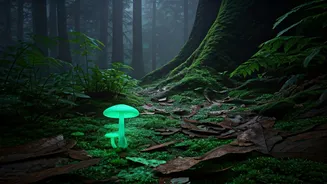
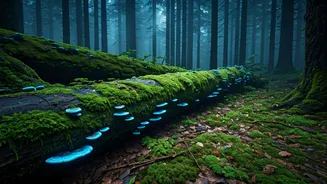
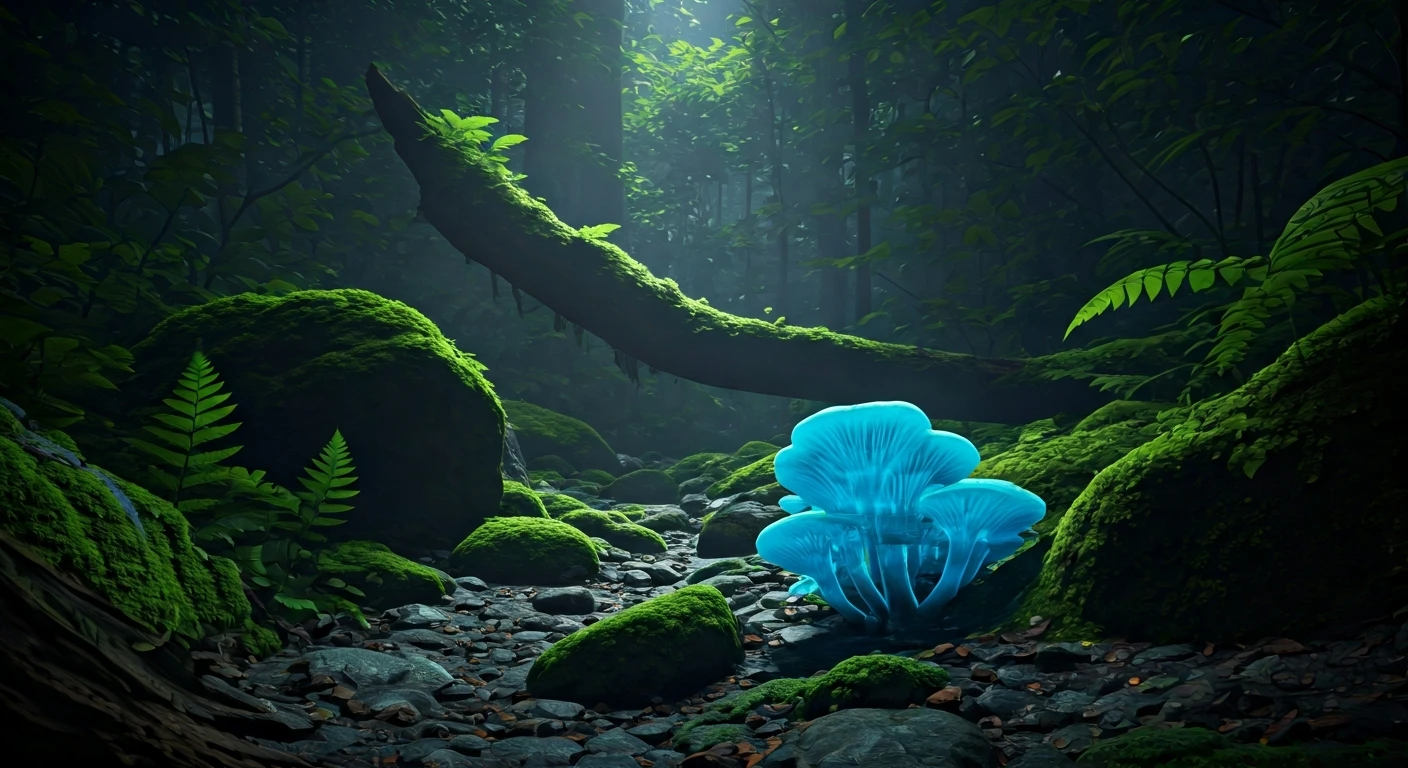
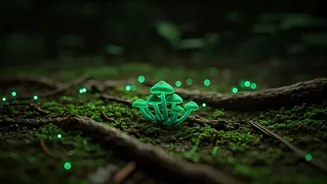
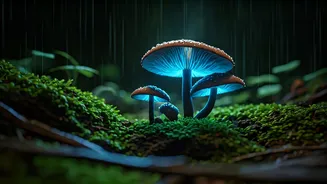
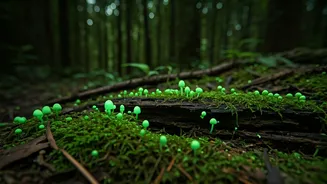
This is not a scene from a fantasy film, but a real experience for a growing number of night photographers and nature enthusiasts in India. In recent years, particularly during the monsoon season, reports have emerged of stunning discoveries of bioluminescent
fungi. From the forests of Goa to the hills of Maharashtra and Kerala, photographers braving the wet, dark nights have been rewarded with sights that seem otherworldly. They set out in search of nocturnal creatures but stumble upon entire colonies of mushrooms emitting a steady, ghostly light. These photographers, armed with tripods and a deep well of patience, use long-exposure techniques to capture the faint glow, transforming a dark patch of forest into a celestial landscape. Their images, shared widely online, have sparked widespread fascination and brought newfound attention to one of nature’s most subtle and magical phenomena.
The Science of the Glow
But what makes these fungi glow? The phenomenon is called bioluminescence, the same process that lights up fireflies and deep-sea creatures. It is a chemical reaction involving a compound called luciferin and an enzyme called luciferase. When these two interact in the presence of oxygen, energy is released in the form of light. Scientists have identified over 100 species of glowing fungi worldwide, with many belonging to the genus *Mycena*. In India, species like *Mycena chlorophos* and *Filoboletus manipularis* are responsible for these enchanting displays. The purpose of the glow is still a subject of scientific debate. One popular theory suggests that the light attracts nocturnal insects. These insects then land on the mushroom and inadvertently pick up its spores, helping to disperse them throughout the forest. Another theory posits that the light might act as a deterrent, warning off potential predators that would otherwise eat the fungus.
A Biodiversity Hotspot's Secret
The Western Ghats, a UNESCO World Heritage site, is a treasure trove of biodiversity, much of which remains undiscovered or poorly understood. These glowing fungi are a perfect example of the hidden wonders lurking within its dense forests. Their appearance is highly dependent on environmental conditions, typically flourishing in the high humidity and dampness of the monsoon months, from June to October. They grow on decaying logs, branches, and leaf litter, playing a crucial role as decomposers in the forest ecosystem. Finding them requires a keen eye and a bit of luck. They are often small and inconspicuous during the day, only revealing their secret radiance after sunset. The glow is often too faint for the naked eye to perceive fully, but it becomes brilliantly apparent in the long-exposure photographs that have captivated so many.
The Photographer as Guardian
The work of these night photographers goes beyond creating beautiful images. They are acting as citizen scientists, documenting the presence and location of these fungi and contributing valuable data for researchers. Their photographs are often the first indication of a new population or even a species in a particular area. This documentation is vital for conservation. The habitats that support these delicate organisms are under constant threat from deforestation, climate change, and habitat fragmentation. By showcasing the unique and magical life within these forests, photographers raise public awareness about what we stand to lose. They transform abstract conservation pleas into a tangible, emotional connection, reminding us that the forest holds secrets worth protecting. Their work encourages a deeper appreciation for the intricate web of life that thrives, often unseen, right in our backyard.