





Understand the Ebb and Flow of the Crowd
The key to a successful pandal-hopping experience is knowing when to go. The crowds in Kolkata follow a predictable rhythm. The main festival days, from Maha Shashthi to Vijaya Dashami, see the highest footfall. The absolute peak is typically between
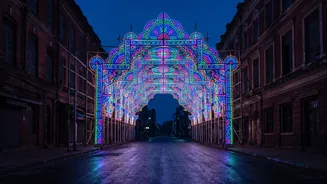
7 PM and midnight on Saptami, Ashtami, and Navami evenings, when the city is ablaze with light and energy. To avoid this crush, there are two golden windows: early mornings (roughly 8 AM to 11 AM) and late nights (after 1 AM or 2 AM). During these off-peak hours, you can appreciate the artistry of the pandals and idols without the endless queues. Visiting on Panchami or Shashthi, especially if they are weekdays, is another excellent strategy to see the major attractions before the full city descends.
Master the Metro: Your Best Bet for Travel
During Durga Puja, Kolkata's streets become notoriously congested, with many roads near major pandals closed to traffic. Driving is often not a viable option. Your most reliable mode of transport will be the Kolkata Metro. Metro Railway typically extends its services, often running trains late into the night—sometimes until 2 AM or even 4 AM on peak days—to accommodate the festive crowds. While stations near famous pandals like Kalighat, Girish Park, and Esplanade can get extremely crowded, the metro is still faster and more efficient than any road transport. Plan your pandal-hopping route by zone (North, South, Central) and use the nearest metro station as your anchor point to minimise time spent in traffic.
Divide and Conquer: A Zonal Approach
Trying to see everything in one night is a recipe for exhaustion. A much smarter approach is to divide the city into zones and dedicate a day or night to each. For example, spend one evening exploring the grand, traditional 'Bonedi Bari' pujas and sprawling pandals of North Kolkata, like Bagbazar Sarbojanin and Kumartuli Park. On another day, tackle the award-winning, theme-based giants of South Kolkata, such as Ekdalia Evergreen, Suruchi Sangha, and Tridhara Sammilani. This not only makes your journey more manageable but also allows you to fully immerse yourself in the distinct flavour of each area's celebrations. Check local guides or newspapers which often publish lists of must-see pandals grouped by location.
Go Beyond the Marquee Names
While the famous, high-budget pujas attract the largest crowds and media attention, some of the most authentic and heartfelt celebrations happen in the smaller neighbourhood lanes. These 'para' pujas may not have the towering structures of their famous counterparts, but they offer a more intimate and less crowded experience. Here, you can witness local cultural programs, see families gathering, and feel the community spirit that is the true heart of the festival. Wandering through the alleys and discovering these hidden gems can be just as rewarding as waiting in line for the big-ticket pandals.
Practical Tips for Comfort and Safety
Pandal hopping involves a significant amount of walking, often several kilometres a day. Comfortable, broken-in footwear is non-negotiable. Dress in light, breathable fabrics like cotton, as the days can be warm and the evenings humid even in October. Carry a water bottle to stay hydrated and a power bank for your phone. In crowded areas, be mindful of your belongings; keep wallets and phones in front-facing bags. While the city is generally safe and heavily policed during the festival, staying aware in dense crowds is always wise. Finally, while the street food is a major attraction, be selective about where you eat to avoid any health issues.