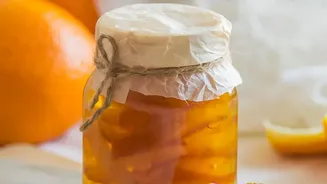








The Hidden Goodness in Orange Peels
Before you begin, it’s worth knowing why orange peels are worth saving. Often discarded, the peel is actually a nutritional powerhouse. It contains significantly more Vitamin C by weight than the fruit's flesh. Orange peels are also packed with dietary
fibre, which is great for digestion, and beneficial plant compounds like flavonoids, which act as antioxidants. While they won't replace your daily vitamins, making preserves is a wonderful way to capture some of this overlooked goodness.
Choosing and Preparing Your Rinds
The quality of your final preserve starts with the oranges you choose. Whenever possible, opt for organic or unsprayed oranges to minimize your exposure to pesticides, since you'll be consuming the peel. Before you start, give the oranges a thorough wash under clean water. After peeling the orange, your first task is to manage the bitterness, which mostly comes from the white pith. Using a sharp paring knife or a spoon, gently scrape away as much of the white layer from the inside of the peel as you can. The more pith you remove, the less bitter your final product will be. Once cleaned, slice the peels into thin strips, about a quarter-inch wide.
The All-Important Blanching Step
To further reduce bitterness, you need to blanch the peels. This is a critical step you shouldn't skip. Place your prepared peel strips into a saucepan and cover them completely with cold water. Bring the water to a rolling boil and let it cook for about five to ten minutes. Drain the water completely, then repeat the process with fresh water at least one more time. For the best results, blanching three times is recommended. This process helps to soften the peel and leaches out the bitter compounds, making them much more palatable.
Creating Your Candied Preserves
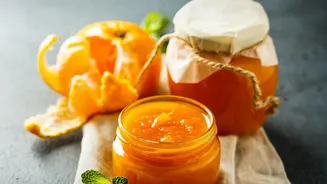
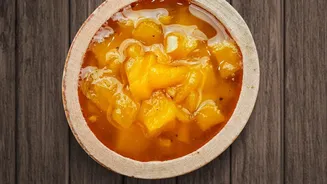
Now for the magic. You’ll need a simple sugar syrup. A good starting ratio is one part sugar to one part water. For the peels of about three large oranges, you might use two cups of sugar and two cups of water. Combine the sugar and water in a saucepan and heat it gently, stirring until the sugar has completely dissolved. Add your blanched, drained orange peels to the syrup. Bring the mixture to a simmer over medium-low heat. Let the peels cook gently in the syrup for 45 to 60 minutes. The peels are ready when they become translucent and the syrup has thickened considerably. Stir occasionally to prevent sticking.
Drying and Storing Your Creation
Once the peels are translucent, use a slotted spoon to carefully remove them from the pot, letting excess syrup drip away. You can save this leftover citrus-infused syrup, as it’s delicious in teas or cocktails. For a classic candied peel, toss the warm, sticky strips in a shallow dish of granulated sugar until they are evenly coated. Arrange the sugar-coated peels in a single layer on a wire rack to air dry. This can take a few hours. Once they are completely dry to the touch, your preserves are ready. Store them in an airtight container at room temperature, where they will keep for several weeks.
How to Enjoy Your Citrus Preserves
These glistening preserves are incredibly versatile. You can dip them in melted dark chocolate for an elegant confection, chop them up and add them to scones, cakes, or muffins for a burst of citrus flavour, or use them as a beautiful garnish for desserts like panna cotta or cheesecake. They also add a wonderful aroma and taste when stirred into a cup of hot tea. Beyond sweets, finely chopped preserves can be used in savoury dishes, such as a glaze for chicken or pork.