
A Vision of Waterborne Commerce
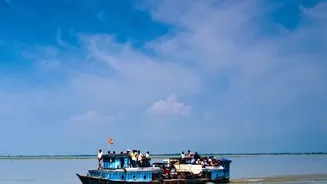
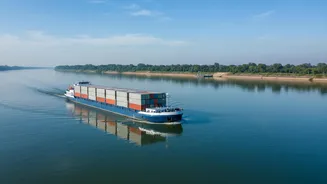
The government is heavily invested in developing its inland waterways, with the Jal Marg Vikas Project at the forefront. The goal is ambitious and clear: to create a cost-effective, environmentally friendly alternative to congested road and rail networks.
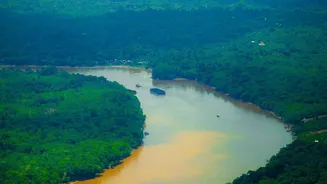
With plans to make dozens of national waterways operational, the project aims to tap into a severely underutilised resource. In theory, shifting bulk cargo like coal, cement, and food grains to rivers would slash logistics costs, reduce pollution, and ease pressure on other transport infrastructure. The vision is to increase the modal share of inland water transport from a mere 2% to 5% by 2030, a move that could reshape the country's logistics landscape.
What is Last-Mile Connectivity?
The term 'last-mile connectivity' refers to the final step in the supply chain: moving goods from a transportation hub to a final destination. In the context of waterways, it is the crucial link between the river terminal and the factory, warehouse, or market. A shipment of goods is not complete when a barge docks at a terminal. It still needs to be unloaded and transported by truck or train to its ultimate destination. For the waterway system to be viable, this connection must be seamless, quick, and affordable. Without efficient roads, rail sidings, and storage facilities at the river ports, the entire chain breaks down.
The Weakest Link in the Chain
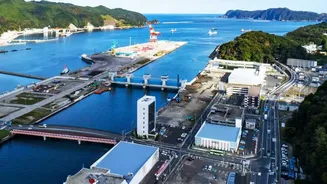
This is where the grand vision meets a harsh reality. A major challenge facing the waterways plan is the inadequacy of first and last-mile connectivity. Many newly constructed or upgraded river terminals lack the high-quality road and rail links needed to efficiently move goods to and from the hinterland. This creates a bottleneck that can negate the cost and time savings of using water transport. If a business saves money shipping goods by river but then loses all those savings (and more) on expensive and slow road transport from the terminal to the factory, there is no incentive to switch from the existing road and rail networks. This problem is compounded by issues like a lack of return cargo on some routes, which can double operational costs for vessel operators.
Economic Promise at Risk
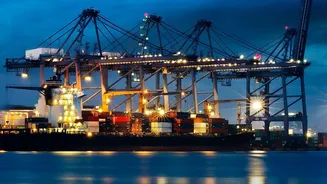
The stakes are incredibly high. The national waterways project involves massive public and private investment in dredging, terminals, and navigation aids. If businesses do not adopt this new mode of transport because of poor connectivity, these expensive assets will be underutilised, and the return on investment will be poor. The projected economic benefits, such as lowering India's high logistics costs from around 18% of GDP towards global benchmarks of 8-10%, would not materialise. Moreover, the significant environmental benefits—less fuel consumption and lower emissions compared to trucks—would also remain on paper. The success of multi-billion dollar terminals, like the one in Varanasi, is directly tied to solving this connectivity puzzle.
Integrated Planning is the Only Way Forward
Recognising this critical gap, the government is now focusing on integrated planning. The PM Gati Shakti National Master Plan is a direct response to this very problem, aiming to break down silos between different government ministries like roadways, railways, and shipping. By using a unified digital platform, the plan seeks to ensure that when a new waterway terminal is planned, the connecting roads and railway lines are planned and executed simultaneously. This holistic approach is essential. Encouraging private investment in building terminals and jetties is another key strategy being pursued to accelerate development and improve efficiency. For the waterways to truly become arteries of commerce, they must be seamlessly integrated into the nation's complete circulatory system of transport.