




The Great Unwinding: Monsoon's Retreat
The Southwest Monsoon doesn't just switch off; it performs a gradual, staggered retreat across the subcontinent. According to the India Meteorological Department (IMD), the withdrawal typically begins from West Rajasthan around mid-September. This process
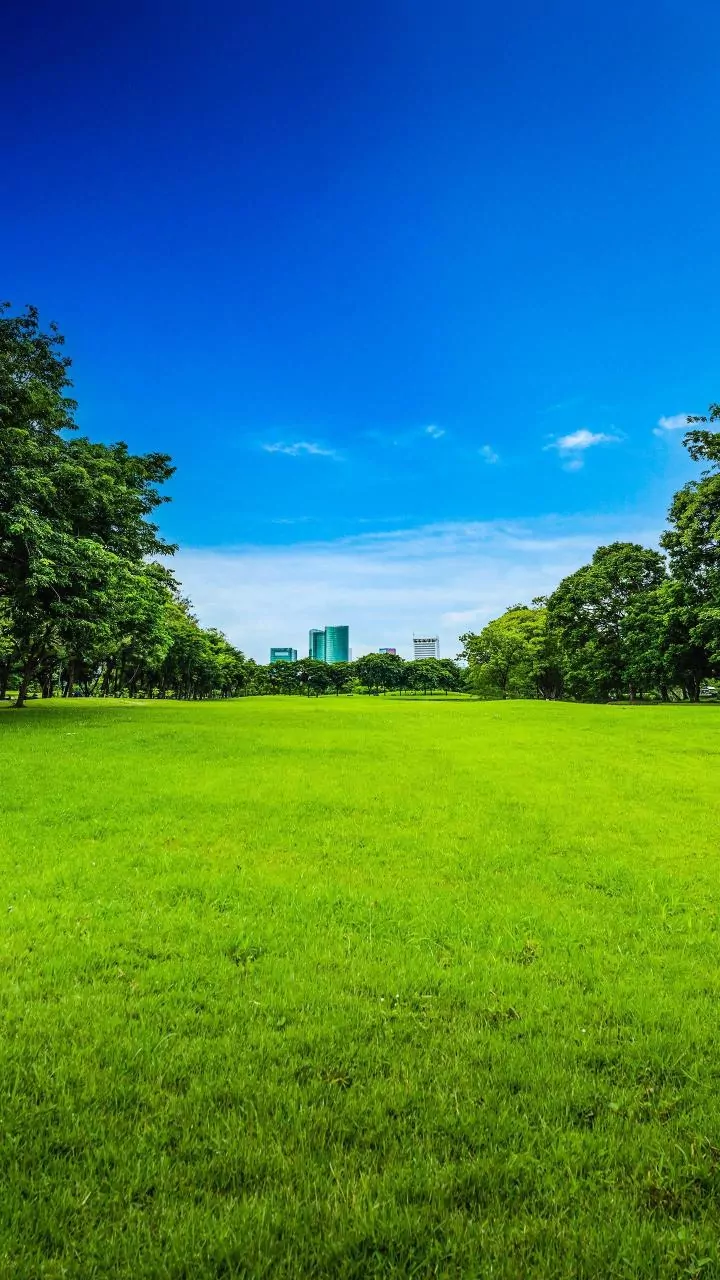
is a slow march, taking several weeks to move southeast across the country. It means that while North India might be enjoying dry, sunny days, parts of the south could still be experiencing rainfall. This transition, from September to November, is what creates a travel sweet spot. The landscape, freshly washed by the rains, turns a vibrant, lush green, while the oppressive humidity gives way to clearer skies and more pleasant temperatures.
Northern Plains: Crisp Mornings & Festivals
For the northern plains, including the Golden Triangle of Delhi, Agra, and Jaipur, October marks a spectacular shift. The end of the monsoon ushers in warm, sunny days and pleasantly cool evenings with minimal rainfall. Daytime temperatures hover comfortably around 30°C, perfect for exploring the magnificent forts of Rajasthan or the iconic Taj Mahal without the intense heat of summer or the dense fog of winter. This period also coincides with the heart of India's festival season. Diwali, the festival of lights, often falls in October or November, turning cities and villages into a mesmerising spectacle of lamps and fireworks, offering a rich cultural experience.
The Himalayas: Last Call for High Passes
The post-monsoon window is arguably the best time for mountain lovers. In states like Himachal Pradesh and Uttarakhand, the rains wash the air clean, revealing breathtakingly clear views of the snow-capped Himalayan peaks. The weather is ideal for trekking and exploring hill stations like Shimla and Rishikesh before the deep chill of winter sets in. However, this is a season of transition in the truest sense. While lower-altitude areas are perfect, higher passes, such as those on the route to Leh from Manali, begin to see snowfall and may become inaccessible by November. It’s a time for stunning beauty, but also one that requires careful planning for high-altitude adventures.
The South: Contrasting Coasts
The weather story in South India is more complex. As the Southwest Monsoon retreats, the weather becomes delightful in places like Kerala and Karnataka, leaving behind lush, green landscapes and rejuvenated waterfalls. Destinations like Munnar and Coorg are at their most beautiful. However, the weather system flips as the Northeast Monsoon (or 'retreating monsoon') can bring significant rainfall to the southeastern coast, primarily affecting Tamil Nadu and parts of Andhra Pradesh from mid-October to mid-December. So, while the west coast of the peninsula opens up with sunny skies, it's wise to check local forecasts for the east coast.
West and East: Humidity to Harmony
In Western India, cities like Mumbai, along with the beaches of Goa, transition from heavy monsoon rains to bright, sunny days, making it perfect for tourism to resume. Similarly, in Eastern India, places like Kolkata and Darjeeling see a pleasant drop in humidity and rainfall. The tea plantations of Darjeeling are lush, and the skies clear up to offer views of Kanchenjunga. National Parks across Central India, such as those in Madhya Pradesh, also typically reopen in October after being closed for the monsoon, offering prime opportunities for wildlife spotting in the fresh, green jungles.
Your Post-Monsoon Travel Kit
This transitional weather demands smart packing. Layers are your best friend. Days can be warm, but evenings, especially in the north and in hill stations, can get surprisingly cool. Lightweight cottons, a light jacket or fleece, and a scarf are essentials. Since the monsoon has just ended, the ground can be wet and mosquitoes active, so pack effective insect repellent and consider closed-toe shoes. Finally, remember that this is a popular time to travel. With the pleasant weather and festival season, tourist spots can get crowded, so booking flights, trains, and accommodation in advance is highly recommended to avoid disappointment.